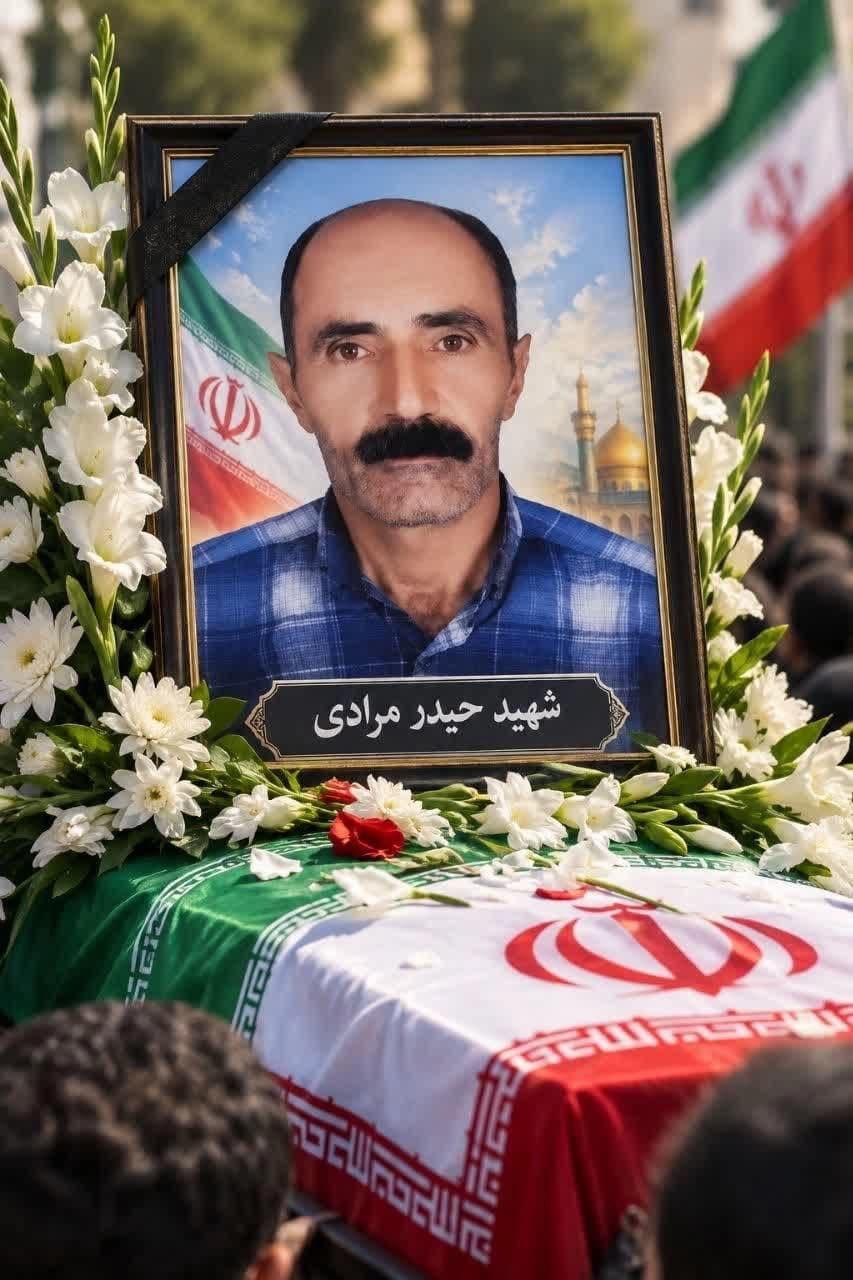

ERBIL, Kurdistan Region - Media outlets affiliated with the Kurdish dissident group Kurdistan Free Life Party (PJAK) said an unknown group has claimed responsibility for the killing of a Basij member who was assassinated in the Kurdish region on Monday over his alleged involvement in the killing of four PJAK members in 2018.
Haidar Moradi was targeted and killed on Monday by gunmen belonging to a little-known group calling itself the “Kurdistan Martyrs’ Revenge Teams” in the city of Kamyaran in the Kurdish region.
“This person, particularly through betrayal and cooperation with intelligence forces and the [IRGC] Shahramfar base in Sanandaj, was responsible for the deaths of four guerrillas and members of our people’s vanguard,” said a statement from the group carried by PJAK-affiliated media outlets.
Moradi was an active Basij member from Mirgasar village in Kamyaran, according to Defa Press, an outlet affiliated with Iran’s armed forces, where he “helped to provide security in rural areas.”
Kurdish areas in recent weeks have seen a slew of assassinations targeting individuals accused of collaborating with the Islamic Revolutionary Guard Corps (IRGC) and intelligence services.
Unidentified new groups believed to be affiliated with various Kurdish dissident movements have claimed responsibility for the killings.
In a daring broad daylight operation in June, two unidentified gunmen with reported affiliations with PJAK killed two Kurdish members of the IRGC’s Basij militia, including a local figure widely known for his role in suppressing the 2022 anti-government protests.
The four guerrilla fighters killed in September 2018 included two senior PJAK members from its leadership council. Jamal Rahmani, under the war name Argesh Karzan, and Rauf Ebrahimi, under the name Tolhaldan Sena, were killed alongside Mohammad Sharif Amini, known as Delovan Fedaei, and Jafar Mohammadi, known as Rojhat Bukan, in the mountains of the Hawraman region in western Iran on September 7, 2018.
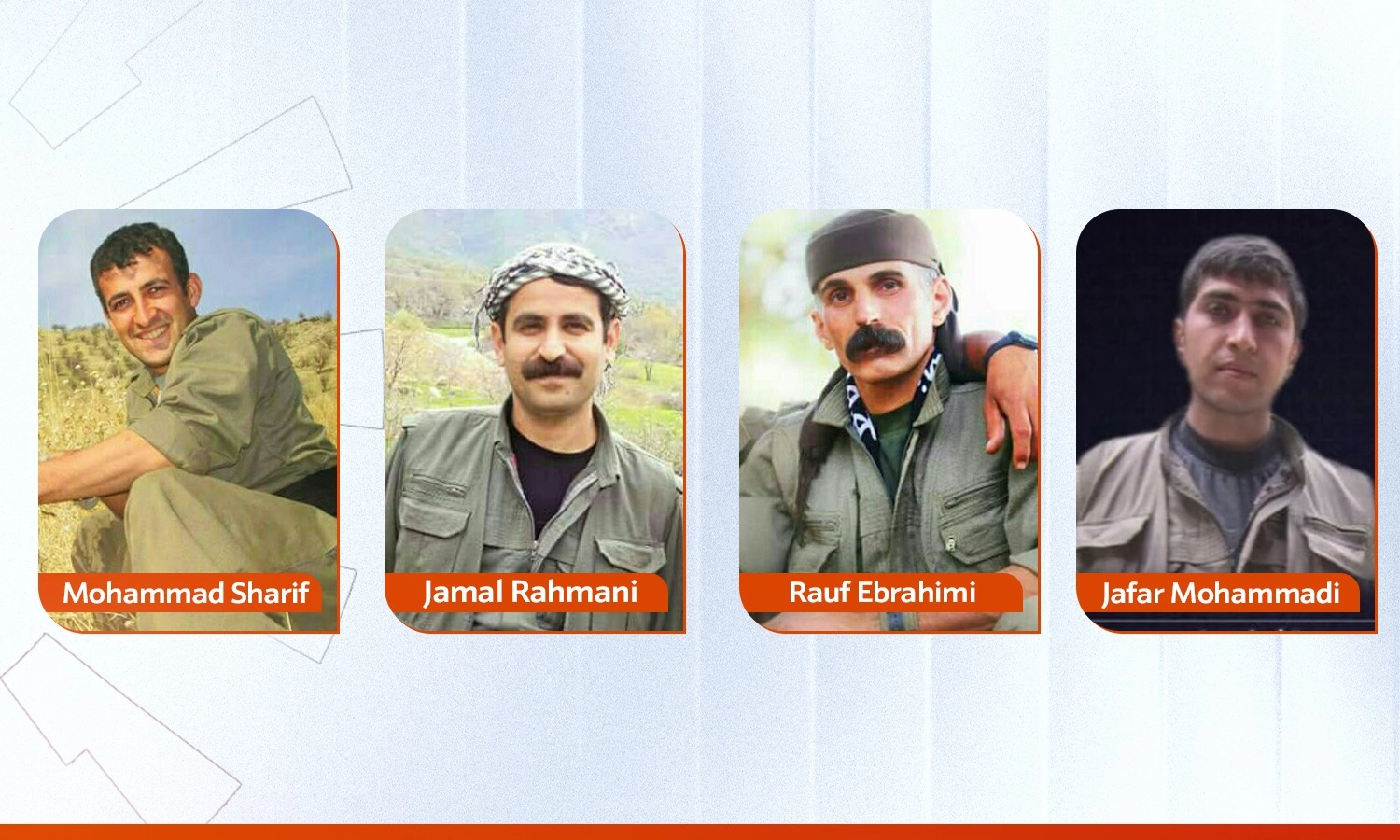
Photo: social media
“We reiterate that we will not leave the actions of anyone unanswered whose hands are stained with the blood of the people, the vanguard and revolutionaries of Kurdistan, especially those who continue to stand alongside intelligence and collaborator networks, oppress the people, and take part in criminal acts,” the statement from the group read. “We will pursue them and punish them.”
The IRGC has been particularly sensitive about Kurdish dissident groups, most of which are based in the Kurdistan Region of Iraq, and has fired more than 1,000 missiles and drones since February 28, when the US and Israel began a devastating bombing campaign, primarily against Iranian military targets.
The IRGC fought a bloody battle in the 1980s against the two main Kurdish opposition groups at the time, the Kurdistan Democratic Party of Iran (KDPI) and the leftist Komala party. The IRGC sustained heavy casualties during eight years of fighting with Kurdish Peshmerga fighters, including the loss of some of its most senior commanders. Many of the IRGC’s current senior leaders are veterans of the war against Kurdish Peshmerga forces.
Iran signed a security agreement with Baghdad and Erbil in 2023 to disarm the Kurdish groups and place them in designated camps across the Kurdistan Region. Tehran harbors resentment against the Kurdish group for their role in the September 2022 anti government protest which began after their call for a general strike in the Kurdish areas.