
ERBIL, Kurdistan Region - Iran’s Islamic Revolutionary Guard Corps (IRGC) on Sunday vowed to continue supporting its so-called “Axis of Resistance" until the “complete liberation of Jerusalem,” as Tehran simultaneously signals readiness for further diplomacy with Washington over the Strait of Hormuz.
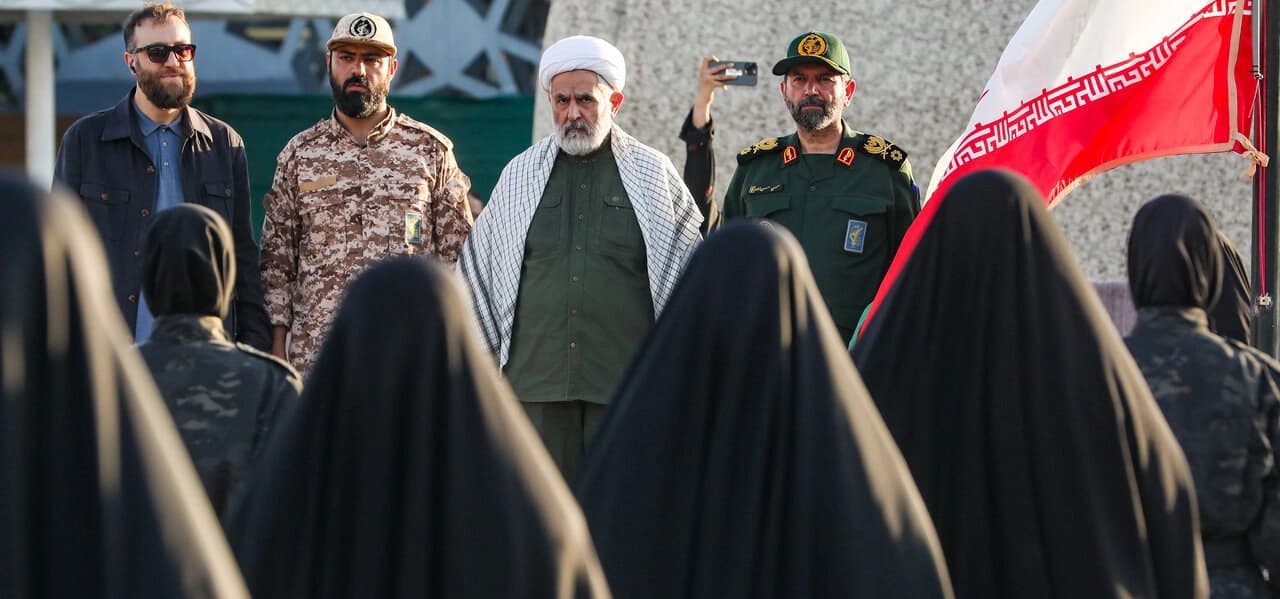
The Guards issued the statement on the second anniversary of the Lebanese Hezbollah leader Hassan Nasrallah’s killing, describing support for the “Axis of Resistance" as an “eternal, national and humanitarian mission” of the Guards and Iran’s armed forces.
The IRGC described Nasrallah as a central strategist of the regional network of Iran-aligned groups and said his legacy continued under Hezbollah leader Naim Qassem. It portrayed the regional axis — spanning Lebanon, the Palestinian territories, Yemen, Iraq and Syria — as a single front and said Nasrallah had helped turn “resistance” from a tactical approach into a broader political and ideological doctrine.
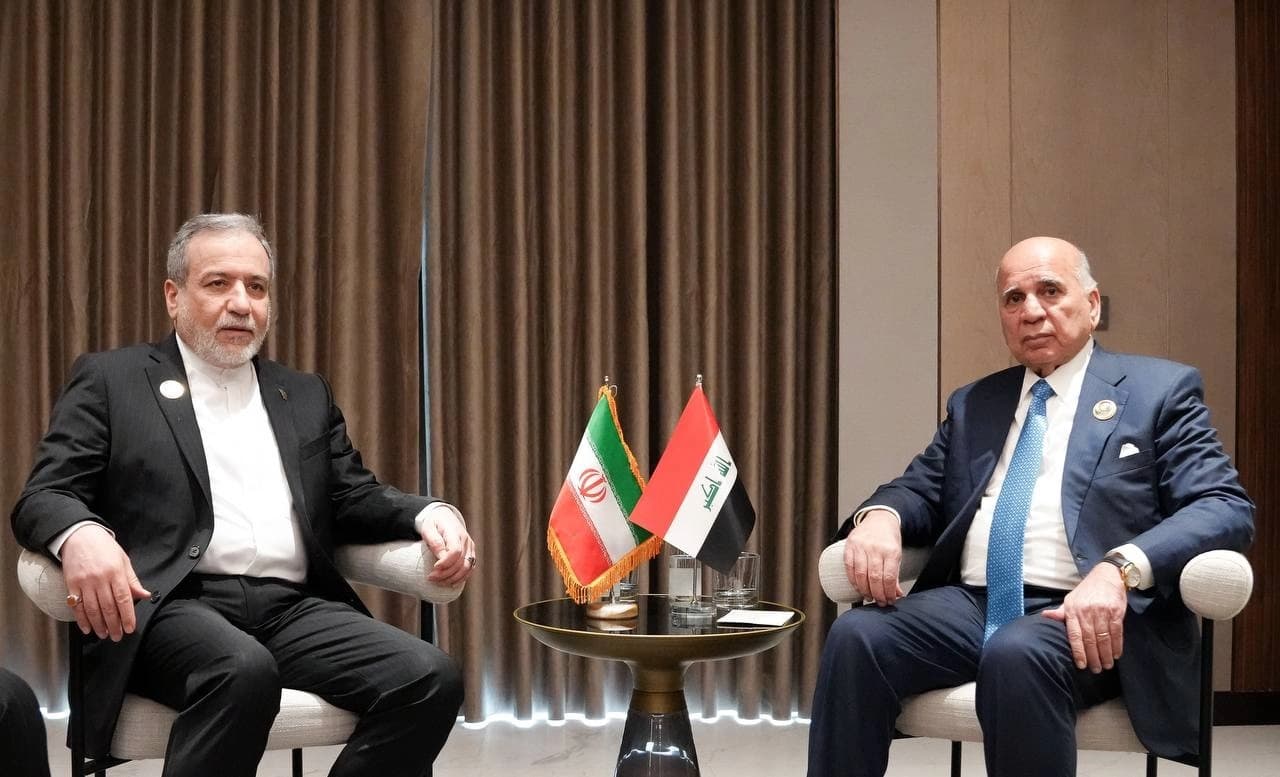
The explicit message from the Guards comes at a time when the Iranian side has presented a proposal to the American side for the reopening of the Strait of Hormuz under certain conditions. Iran’s Foreign Minister Abbas Aragchi said on X that the Iranians were in New York during the UN General Assembly annual meeting to talk about peace.
“President Pezeshkian and I did not come to New York to sell a war. We came to forge peace,” Araghchi said. “Iran nonetheless remains steadfast in the face of any aggression—even if it comes to an apocalyptic war. At the same time, we are ready for real diplomacy.”
The Guards said they would continue backing the “Axis of Resistance" and “stand firm until the complete liberation of Jerusalem,” adding that Iran’s armed forces would not retreat “until final victory”. The statement also linked the network’s role to the current confrontation with the United States and Israel, portraying the conflict as part of a wider struggle against foreign domination and occupation.
Hezbollah Secretary General Naim Qassim also gave a speech on Sunday to mark the second anniversary of the killing of Nasrallah in which he vowed to continue the resistance against Israel and said that Iran stayed the guiding torch for the group. “We will continue on this path… the path of Imam Khomeini, the path of Imam Khamenei, the path of Imam Musa al-Sadr — the path of … resistance and jihad,” Qassim said before adding that the new supreme leader remains the overall leader of the resistance. “Iran will prove to the world that it protected it from collapse and descent into the abyss, for the sake of the resistance forces and humanity.”
The IRGC also highlighted control and influence over the Strait of Hormuz as an achievement of the “Axis of Resistance," tying the strategic waterway directly to its regional doctrine. That reference is particularly significant as Tehran continues to use the Strait as leverage in its confrontation with Washington while simultaneously signaling that negotiations could resume if its conditions are met.
“Keeping the Strait of Hormuz closed and cutting off the flow of petrodollars through missile fire is the only way to curb Washington’s excessive demands,” Kayhan newspaper, whose editor is appointed by Iran's supreme leader, said on Monday. “The key to taming the gambler in the White House lies not in negotiations, but in reducing energy trade to zero and raising the economic cost for the United States ahead of the elections.”
US President Donald Trump said on Sunday night that there will be more talks with the Iranian side in the coming weeks a day after he rejected the Iranian proposal for the reopening of the Strait of Hormuz. He also did not rule out more strikes before midterm elections.