ERBIL, Kurdistan Region - The Kurdistan Region is a gateway to the wider Iraqi market for Russian companies seeking to expand their presence in the country, the executive director of the Russia-Iraq Business Council said Sunday.
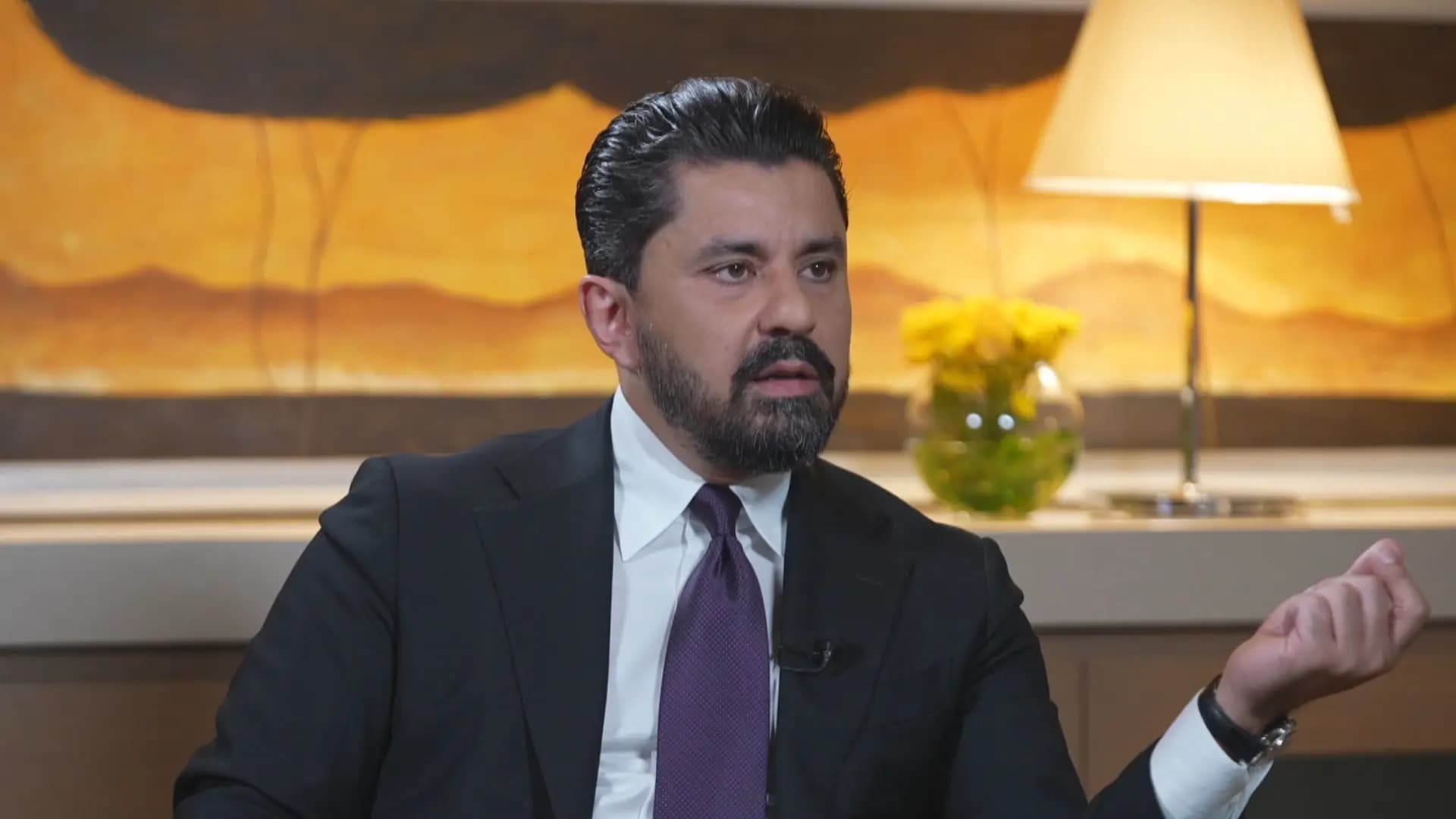
Maxim Malyarchuk, Executive Director of the Russia-Iraq Business Council, told Rudaw's Vazhin Murad in an interview that they brought Russian businessmen and companies to the Kurdistan Region because they consider it "the gate to the whole Iraqi market."
Malyarchuk said statistics from Iraq's customs authority show that annual trade between Russia and Iraq stands at around $400 million. However, he said the actual volume of Russian goods reaching Iraqi markets is considerably higher because many products enter through third countries, including Turkey and Iran.
“We want our companies to have the chance to negotiate directly with their counterparts in the Kurdistan Region, and we certainly hope they will reach signed agreements,” Malyarchuk added.
According to him, Russian exports to Iraq and the Kurdistan Region include
“timber, metals, certain industrial and agricultural products, sunflower oil, flour, and many other goods."
Russia has maintained diplomatic and economic ties with both Iraq and the Kurdistan Region, with Russian companies holding a particularly prominent role in the energy sector. Moscow has also remained an influential actor in broader regional affairs.
Malyarchuk said establishing direct trade links could also make Russian goods more competitive by reducing costs associated with transit through intermediary countries.
“When Russian goods enter the Iraqi market via third countries, the expenses and fees of those countries are added,” he said. “However, if direct contracts are established between Russian and Iraqi companies, the prices will certainly be more favorable for both parties.”
He acknowledged that the Ukraine war has complicated transport routes and logistics for Russian exporters, contributing to higher prices, although he declined to quantify the increase.
“I cannot give you a specific percentage because the situation changes daily,” Malyarchuk said. “In Russia, we have faced some obstacles regarding transport routes and logistics, and we are constantly searching for new ways to deliver our goods to the Iraqi market.”
“Prices have certainly trended upward, but we are trying to keep them at a reasonable level for both Iraqi importers and Russian exporters,” he added.
He added that several major Russian companies in the agricultural and pharmaceutical sectors, which already operate across the Middle East and other global markets, are now seeking entry into Iraq and the Kurdistan Region.
“We have very large, globally renowned companies in the fields of agriculture and pharmaceuticals, but they have not been present in the Iraqi market until now,” Malyarchuk said. “These companies operate in the Middle East, and many other countries around the world, and their current objective is to enter this market.”
“The Iraqi and Kurdistan market is new to them, and we fully support their efforts,” he added.
.jpg&w=3840&q=75)