
ERBIL, Kurdistan Region - Dana Gas said on Saturday that the Khor Mor gas facility remains unable to produce gas due to significant damage sustained in Sunday's attack, as Iraq’s parliament formed an investigative committee to examine the strike.
“As previously announced by official sources, the facility has sustained significant damage, and currently no amount of gas can be produced,” the company’s spokesperson said in a statement, urging media outlets to refrain from “irresponsible coverage, speculation, and baseless interpretations.”
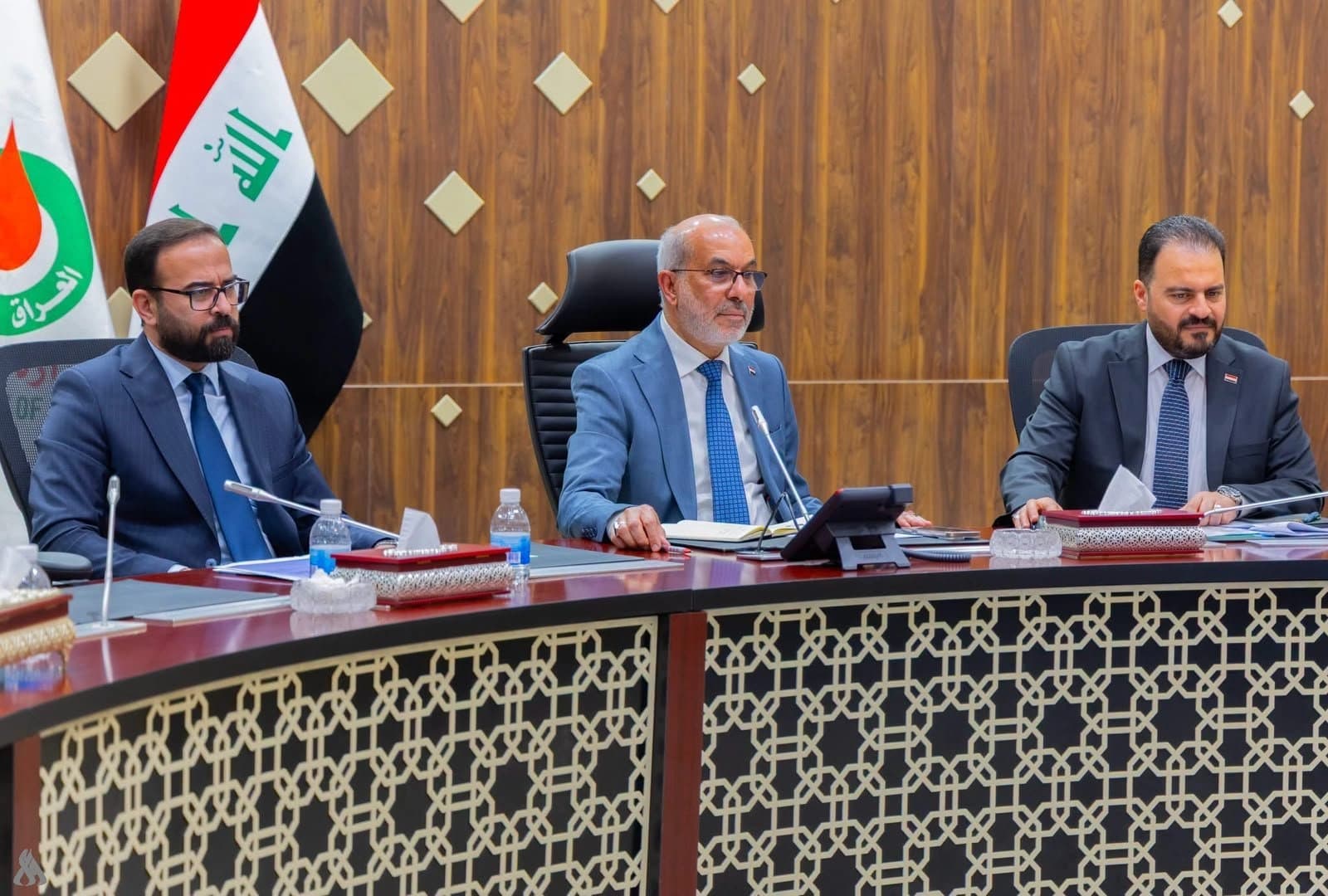
The statement came as Iraqi parliament Deputy Speaker Farhad Atrushi on Saturday announced the formation of an investigative committee to examine the attack.
“The Iraqi Parliament has formed an investigative committee for two issues: the issue of Jurf al-Sakhr and the issue of the attack on the Khor Mor field,” Atrushi told the Kurdistan Democratic Party’s (KDP) official website.
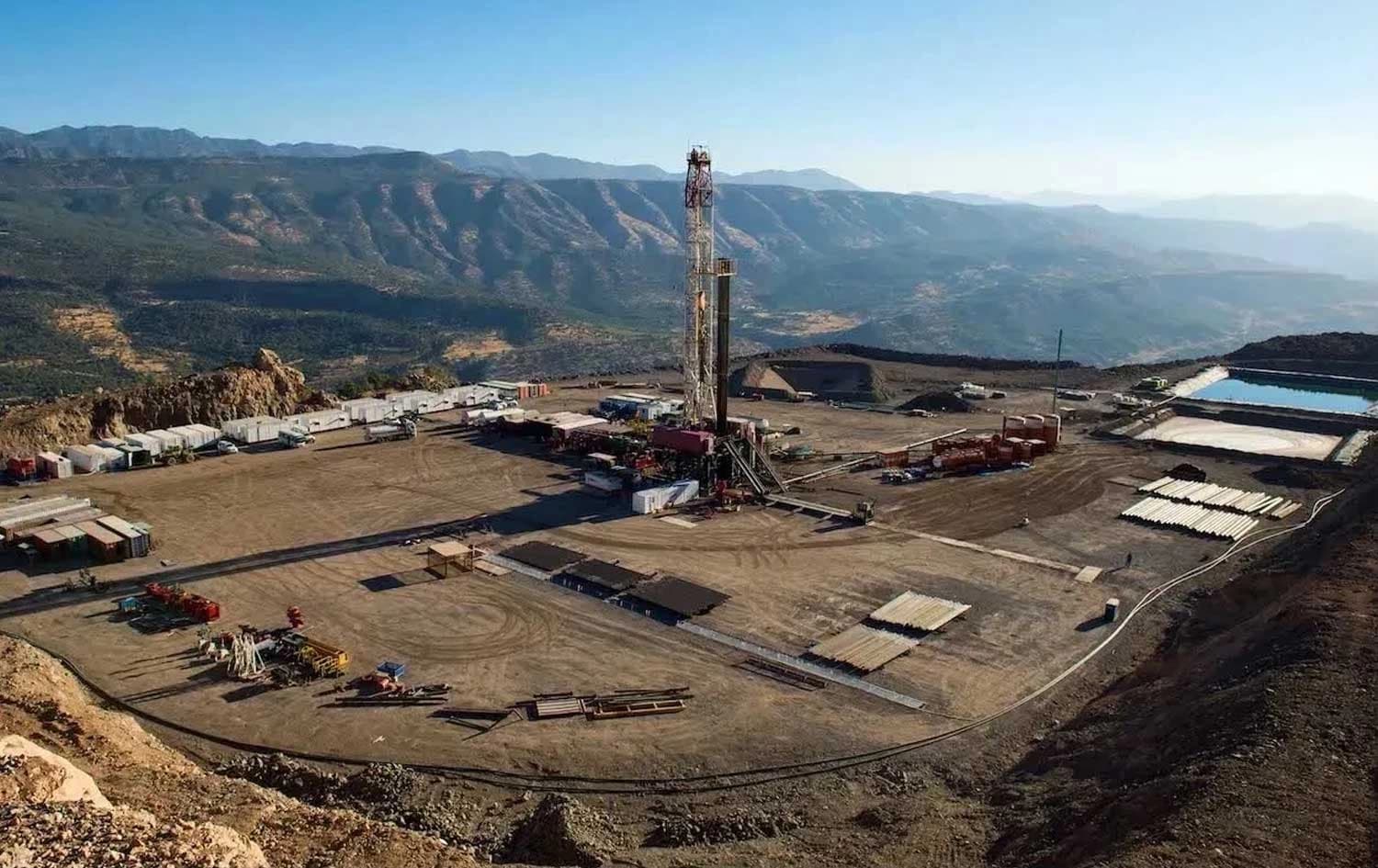
The investigation follows an attack on Khor Mor late Sunday that struck the facility’s gas storage and truck-loading unit, triggering a major fire and forcing the suspension of gas production and deliveries.
An unknown projectile hit the facility, which stores approximately 1,500 tons of cooking gas distributed through 170 tanker trucks, according to sources who spoke to Rudaw. A security source separately told Rudaw that the attack was launched from Tuz Khurmatu, south of Kirkuk.
The Kurdistan Regional Government’s (KRG) Electricity Ministry warned that the shutdown would reduce the Region’s electricity generation capacity by 2,800 megawatts.
However, the Region on Thursday restored enough electricity generation to supply residents with 1,500 megawatts, raising daily public electricity supply to six to eight hours, the Kurdistan Regional Government's (KRG) electricity ministry spokesperson said Thursday.
Omed Ahmed said that authorities had increased electricity generation from approximately 1,000 megawatts immediately after Sunday's attack to 1,550 megawatts, of which 50 megawatts are reserved for essential facilities and factories.
"We can say, without any exaggeration, that within 24 to 48 hours, we managed to increase our production capacity by 50 percent," Ahmed said, adding that the electricity currently available covers only 40 percent of the Region's demand, leaving a 60 percent shortfall.
The committee comprises the heads of parliament’s Security and Defense, Integrity, Regions and Governorates, and Border Crossings committees. Rebwar Hadi, head of the Legal Committee, and Harem Kamal Agha, head of the Oil and Gas Committee, are also participating temporarily as Kurdish representatives, Atrushi said.
“This committee will work on and investigate both issues, and afterward, the results of the investigations will be revealed,” he added.
Iraq’s National Security Service (INSS) chief Basim al-Badri offered a different assessment of the latest incident on Wednesday, suggesting it was connected to internal political tensions rather than the broader regional conflict.
“The day before yesterday is a completely different matter. Right now there is a crisis, as everyone knows—an internal crisis within the Kurdistan Region between the Patriotic Union of Kurdistan (PUK) and the Kurdistan Democratic Party (KDP),” al-Badri told reporters at Chatham House in London.
He said his assessment was based on confidential information.
Khor Mor, operated by UAE-based Dana Gas, is a major source of natural gas for electricity generation and household cooking gas in the Kurdistan Region. A KRG official told Rudaw in late July that the facility had been targeted 12 times, killing three of its personnel.
The attacks intensified following the outbreak of the US-Israeli war with Iran in late February. The Kurdistan Region has since faced more than 1,000 drone and missile attacks, attributed to Iran and Iran-aligned armed groups in Iraq.
The latest strike followed a nearly four-month lull in attacks on the facility. Dana Gas had repeatedly suspended operations during the regional conflict as a precautionary measure before gradually restoring production from August.
The September 30 departure of the US-led Global Coalition against the Islamic State from Iraq also heightened concerns in Erbil over the protection of strategic infrastructure, particularly given the Kurdistan Region's limited air defense capabilities.
KRG Prime Minister Masrour Barzani previously called on Baghdad to prevent armed groups operating outside state authority from targeting the Region, saying the Iraqi government “must not allow those who operate outside the law to jeopardize the security and stability of the Kurdistan Region and, consequently, all of Iraq in this manner."