
ERBIL, Kurdistan Region - ShaMaran Petroleum's adjusted earnings more than quadrupled in the third quarter of 2026, rising 325 percent year-on-year to $76 million despite production disruptions caused by the Iran war, the Canadian oil producer said Monday, as the company reported a recovery in oil exports and expanded its operations into federal Iraq.
The Canadian oil producer reported adjusted Earnings Before Interest, Taxes, Depreciation, Amortisation, and Exploration Expenses (EBITDAX) of $76 million for the three months ending September 30, up from $17.9 million in the same period last year, a 325 percent increase. Revenue also surged 193 percent to $84.6 million from $28.9 million.
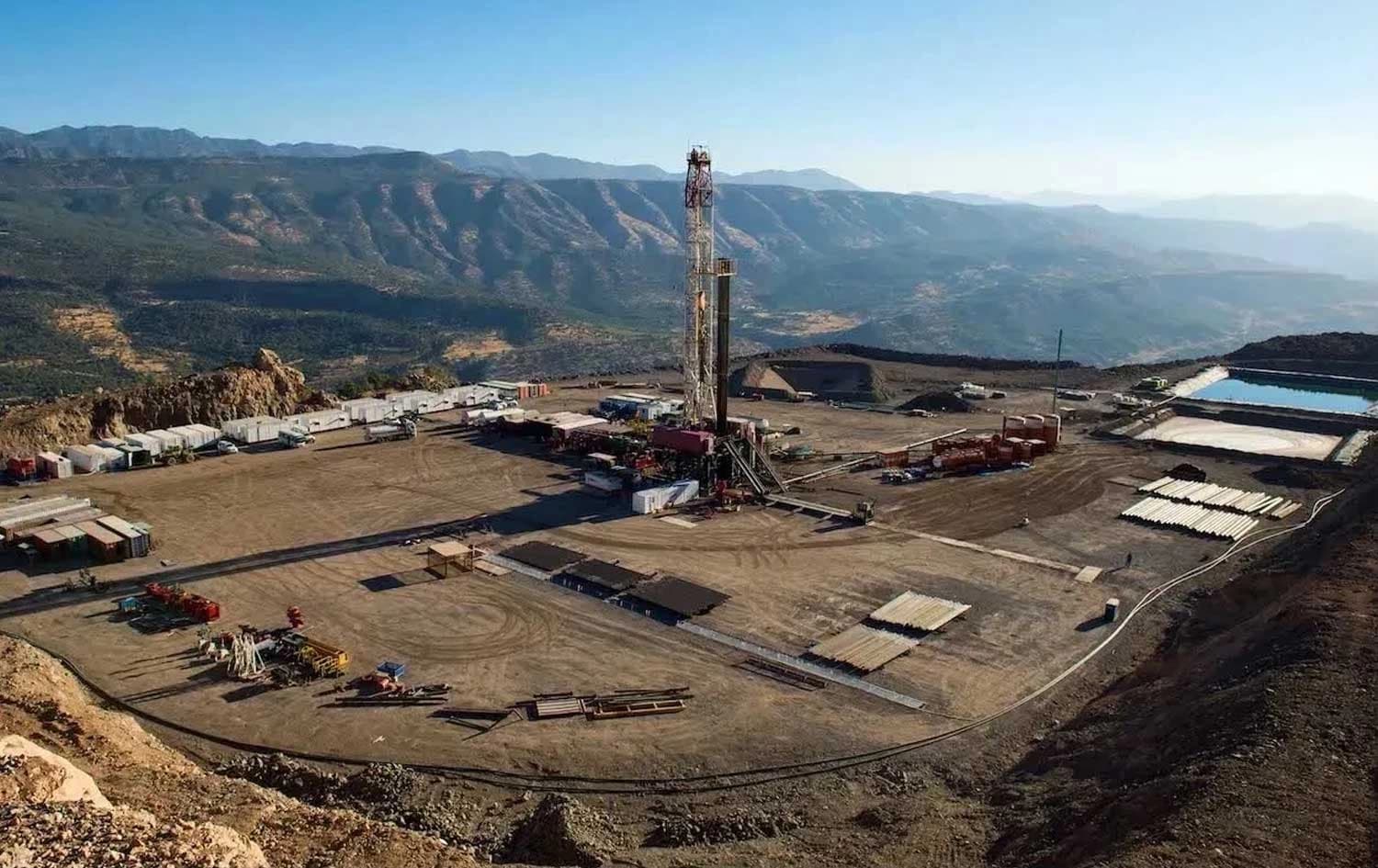
Production at the Atrush and Sarsang fields in the Kurdistan Region's Duhok province resumed in mid-August following temporary suspensions linked to regional security developments. Combined gross production averaged 32,000 barrels per day during the quarter, down 33 percent year-on-year, but the company says it has since recovered to about 52,000 barrels per day.
The company attributed the improved financial performance to higher international oil prices following the resumption of pipeline exports from the Kurdistan Region, with its average estimated realized net oil price reaching $107.23 per barrel, compared with $34.76 a year earlier.
“Our Q3 2026 results demonstrate the earning power of ShaMaran’s assets in the current oil price environment,” the ShamMaran report cited Garrett Soden, the company's president and CEO, as saying.
“EBITDAX was more than four times higher than the comparable quarter of 2025, despite the loss of one month of production due to shut-ins caused by the Iran war.”
ShaMaran also said it had received $26.7 million in oil sales proceeds and additional compensation payments following the end of the reporting period.
The company confirmed that its investment in the Hamrin oil field in federal Iraq, through a joint venture with HKN Energy, was completed on November 9. ShaMaran holds a 25 percent interest in the venture.
It also reiterated plans to merge with Gulf Keystone Petroleum, describing the proposed combination as a “transformational opportunity” expected to create a larger and more diversified oil producer. Completion is anticipated in mid-2027, subject to regulatory and other customary approvals.
The developments come amid efforts to resolve longstanding payment disputes between Baghdad, Erbil and international oil companies operating in the Kurdistan Region. The interim tripartite agreement governing oil exports has been extended until January 27, 2027, while additional payments began in October to compensate producers for previous discrepancies between export payments and international oil prices.
British producer Gulf Keystone said on Monday it had received $16.5 million in additional payments, recovering more than half of its outstanding compensation for September-December 2025.
The Kurdistan Region's oil exports through the Iraq-Turkey pipeline resumed in September 2025 under a tripartite agreement involving Baghdad, Erbil, and international producers, following a suspension that began in March 2023.
However, outstanding payments remain a major concern. Kurdistan Region Deputy Minister of Natural Resources Ahmed Mufti told Rudaw in October that Baghdad's target of increasing Kurdish oil exports to 400,000 barrels per day would be difficult to achieve without settling companies' entitlements and providing investment guarantees.