
ERBIL, Kurdistan Region - Crude oil production by the Organization of the Petroleum Exporting Countries and its allies (OPEC+) rose sharply in October, approaching pre-war levels, according to the group's monthly report released Wednesday, even as attacks on commercial vessels continue in the strategic Strait of Hormuz.
OPEC+ countries, which includes countries such as Russia, produced an average of 41.23 million barrels per day (bpd) in October, an increase of 2.04 million bpd from September, according to the report. The figure is approaching the group's 2025 average of 41.98 million bpd, before the outbreak of the US-Israeli war with Iran in February.
Despite the recovery in production, ongoing attacks and uncertainty over passage through Hormuz continue to pose risks to regional oil exports as tensions over and in the strategic waterway remain high amid an uptick in attacks impacting vessels transiting the vital corridor.
Saudi Arabia recorded one of the largest increases, reporting production of 10.563 million bpd in October, compared with 8.372 million bpd in September. The October figure was also close to February's pre-war level of 10.882 million bpd. However, OPEC's secondary sources estimated Saudi production at a lower 9.194 million bpd in October.
Iraq also recorded a significant recovery, with production rising from 3.995 million bpd in September to 4.491 million bpd in October, an increase of approximately 496,000 bpd, according to OPEC's secondary sources.
The recovery comes despite continued disruption to shipping through the Strait of Hormuz, a vital route for Gulf oil exports. Tit-for-tat measures imposed by Tehran and Washington, alongside attacks on commercial vessels, have complicated efforts by regional producers to restore exports and revenues.
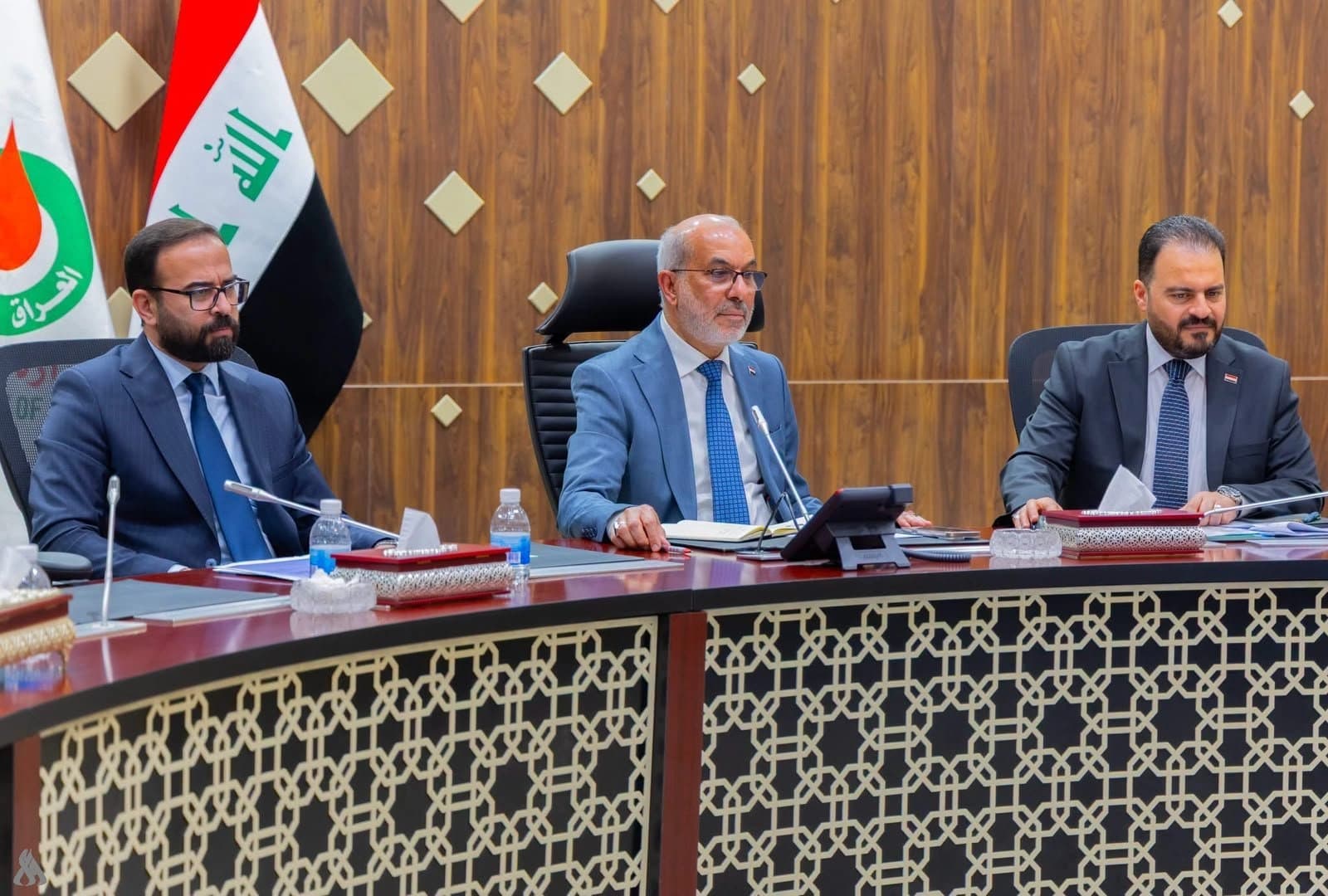
Iraqi Oil Minister Basim Mohammed Khudair told state-run Iraqi News Agency (INA) in October that the country's oil exports had exceeded 3.4 million bpd, approaching pre-war levels of approximately 3.7 million bpd. He said shipments were moving through the Strait of Hormuz, Turkey's Ceyhan port, and tanker trucks transporting oil through Syria.
Maritime insecurity continues posing a threat to recovery efforts. On Wednesday, the United Kingdom Maritime Trade Operations (UKMTO) reported another incident involving a tanker in the Strait of Hormuz, less than a day after a separate vessel was struck by an unidentified projectile off Oman.
OPEC's report also highlighted the continued disruption to oil transportation, noting that freight rates for very large crude carriers (VLCC) surged in October, reaching more than ten times their levels from a year earlier.
"The return of disrupted volumes, ongoing trade dislocations, export inefficiencies and longer voyages kept tanker availability constrained," the organization said.