
“Returning to the deal, as you know, would require Iran to significantly roll back its nuclear program and block every available pathway to a nuclear weapon,” White House Press Secretary Jen Psaki told reporters during a press briefing. “But the talks are continuing; that is a good sign. And I’m not going to get ahead of — prediction of what the outcome will be of them.”
A senior State Department official said on Thursday that Washington and Tehran could come back into compliance with the nuclear accord before Iran’s June presidential election.
President Joe Biden reiterated the positive atmosphere of the talks on Friday as delegates met in Vienna. He said the Iranian side was serious about negotiations. “But how serious and what they’re prepared to do is a different story, we’re still talking,” Biden told reporters.
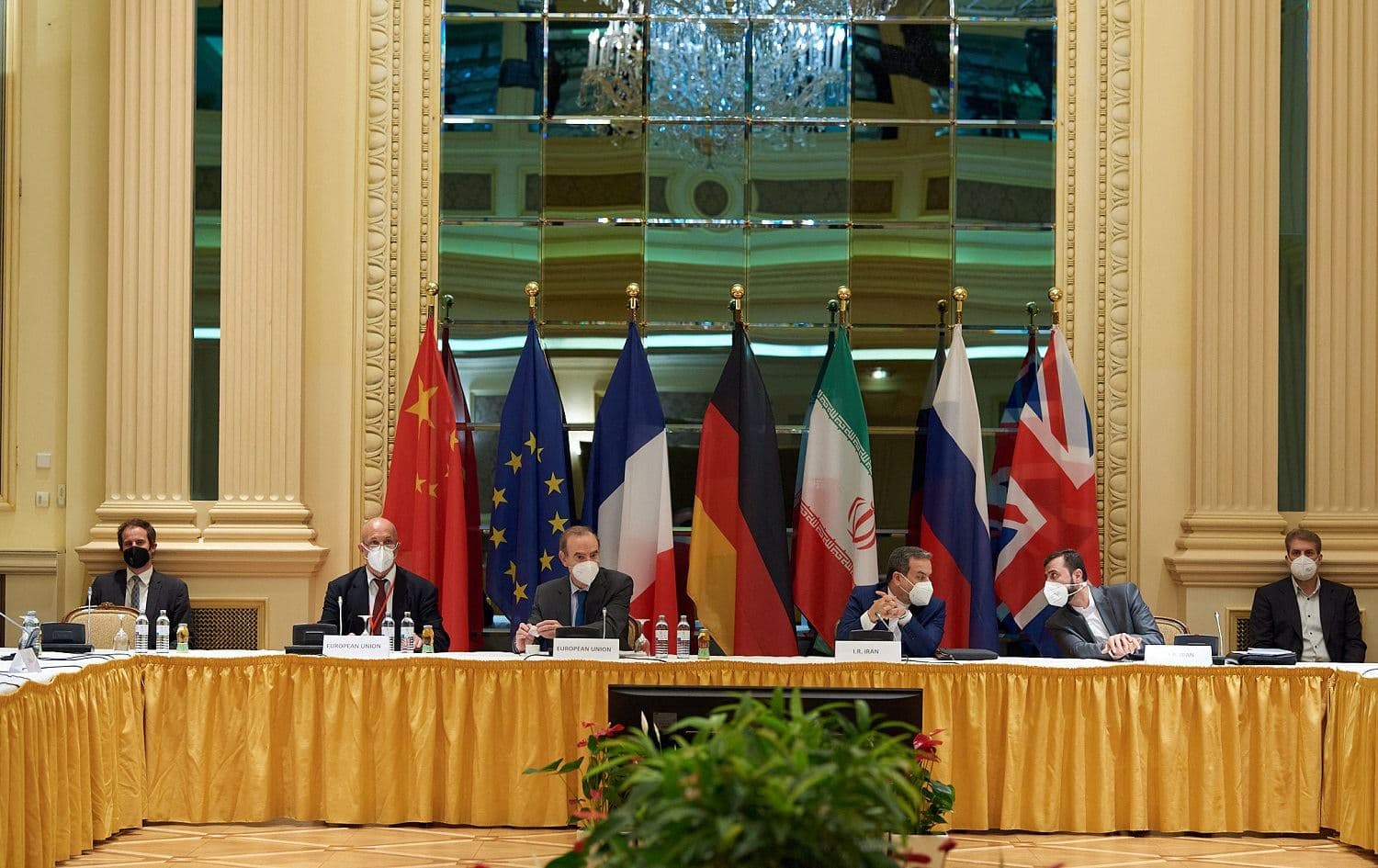
American representatives are in Vienna and are indirectly participating in the talks between the remaining signatories of the nuclear deal – Iran, Russia, China, UK, France, and Germany.
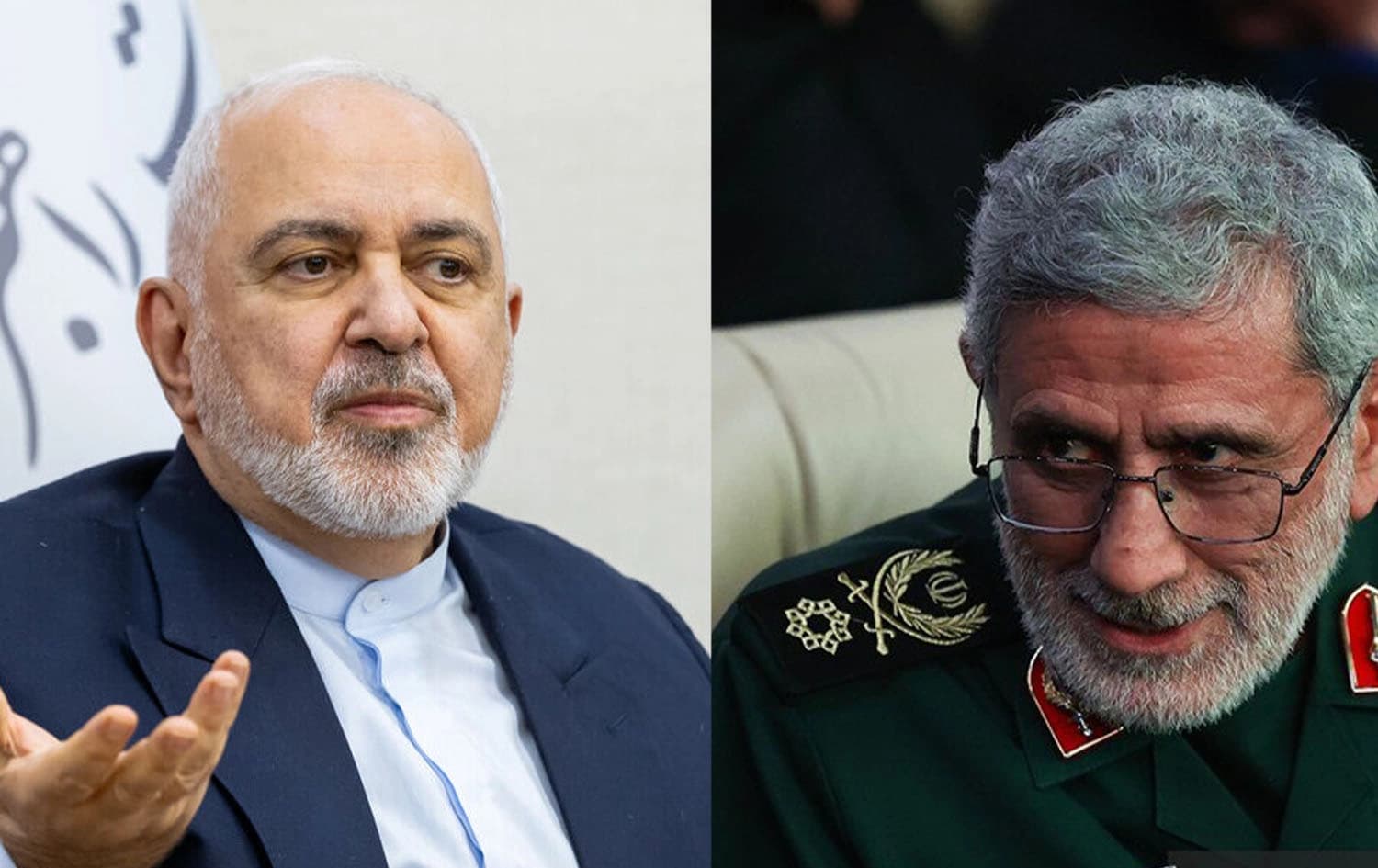
The prospect of reaching an agreement with the US has divided Iran with the Islamic Revolutionary Guard Corps (IRGC) and other hardliners stating that Washington cannot be trusted after President Donald Trump withdrew from the JCPOA in 2018 and re-imposed crippling sanctions on the country.
But Iranian President Hassan Rouhani’s envoy is positive, though he noted there is still work to be done.
“Today we resumed the negotiations with a new energy. The news that is being conveyed to us from the Americans is that they are serious about returning to the JCPOA,” Iran’s top nuclear negotiator Abbas Araghchi, who is in Vienna, was quoted by state-run agency IRNA. “They have expressed readiness in lifting a large part of the sanctions, which is not enough as far as we are concerned and that is why will continue negotiating until we realize all our demands.”