
ERBIL, Kurdistan Region - The chief of Iran's top security body said Tuesday that the Strait of Hormuz will not reopen until the United States meets Tehran's conditions, as negotiations between the two sides have stalled for weeks and a cautious calm - marred by maritime restrictions in the key waterway - continues.
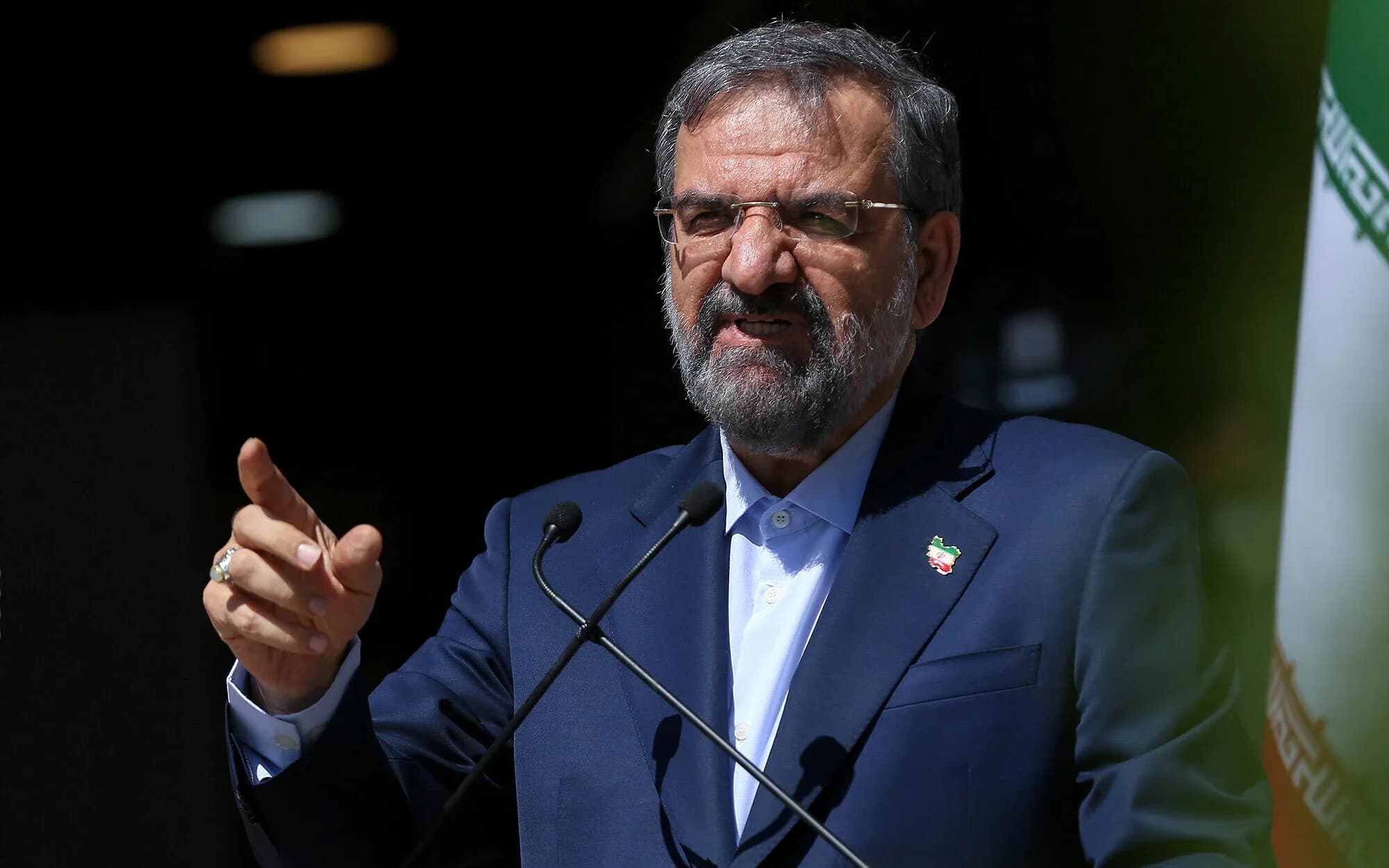
"Iran's message is clear: the Strait of Hormuz will not reopen until the US ends the war and blockade [on Iranian ports], releases Iran's frozen assets, and agrees to a region-wide ceasefire, including in Lebanon and Gaza," said Mohsen Rezaei, the newly appointed secretary of Iran's Supreme National Security Council (SNSC), in a statement on X.
"The Strait will remain closed until all the conditions are met," added Rezaei, who heads the top decision-making body for national defense, foreign policy and intelligence.
The Strait of Hormuz, a vital waterway through which around one-fifth of global oil supplies pass, has been a contentious point between the US and Iran since the onset of the war, when the US and Israel launched a joint aerial campaign on February 28, striking thousands of targets across Iran.
In response, Tehran has carried out thousands of drone and missile strikes across the Middle East, targeting alleged US assets - particularly in Gulf Arab states - as well as launching retaliatory attacks against Israel.
The Iranian response has also involved Iraqi armed groups aligned with the Tehran-led ‘Axis of Resistance,’ with several factions claiming responsibility for attacks on purported US targets in the region.
The warring sides reached a preliminary ceasefire agreement in early April that was followed by a Pakistan-mediated Islamabad Memorandum of Understanding, signed by Tehran and Washington in mid-June, establishing a ceasefire on all fronts.
However, following the truce, the two sides engaged in several rounds of strikes and counterstrikes that escalated on July 8 and ended on July 24.
A mild de-escalation has since taken hold. A US naval blockade on Iranian ports remains in effect, as Iran continues to claim sovereignty over the Strait of Hormuz, disrupting commercial shipping and requiring vessels to obtain authorization for passage.
As of late, the US Central Command (CENTCOM) on Tuesday said its forces have “redirected 55 commercial vessels attempting to run the blockade, disabled three non-compliant vessels, and boarded two.”
Iranian Foreign Minister Abbas Araghchi said Saturday that negotiations between Iran and the US "are currently not taking place," the state-run Islamic Republic News Agency (IRNA) reported, citing him as affirming that "talks cannot resume until Washington ends its violation of commitments and compensates for those breaches."
Araghchi said that messages were being exchanged between the two sides, noting that "some intermediary countries are still trying to create the conditions for negotiations to resume."
Importantly, Tehran's chief diplomat and top negotiator also stated that Iran and Oman were continuing negotiations on establishing new maritime arrangements in the Strait of Hormuz, describing the talks as progressing well and nearing completion.
"This does not mean the opening of the Strait of Hormuz; the agreement may be reached, but the opening of the Strait of Hormuz is contingent on the fulfillment of other conditions, and these conditions have been conveyed to the American side through intermediaries," Araghchi said.