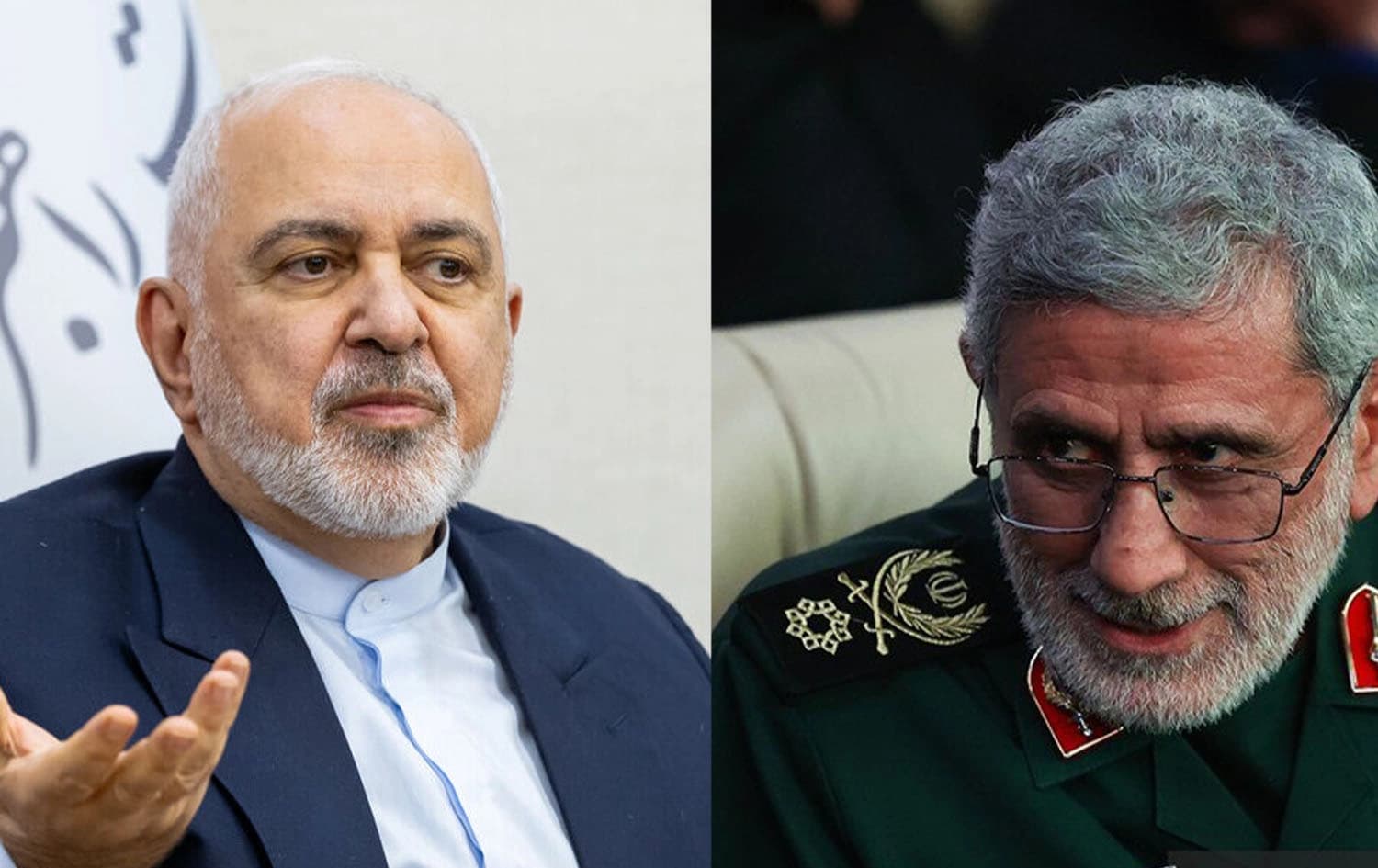
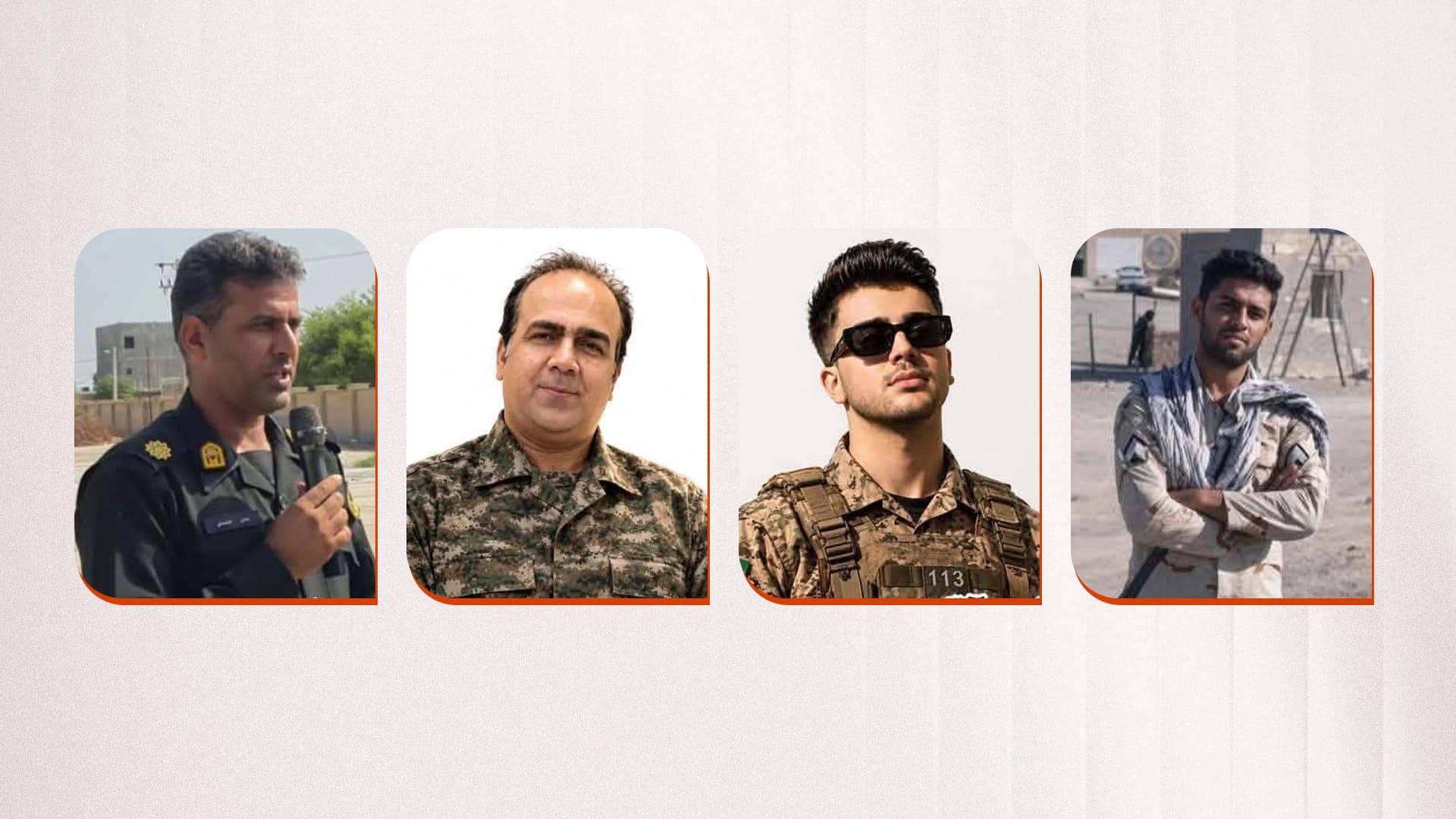
ERBIL, Kurdistan Region - Iranian Supreme Leader Mojtaba Khamenei on Monday unveiled a sweeping overhaul of the country's top armed forces and Islamic Revolutionary Guard Corps (IRGC) leadership amid rising escalations with Washington and ongoing negotiations over the Strait of Hormuz.
“Under the new appointments, Brigadier General Ali Abdollahi has been named Chief of Staff of Iran’s Armed Forces, while Brigadier General Kioumars Heydari has been appointed Deputy Chief of Staff of the Armed Forces,” read state-run IRNA statement outlining the decrees assigning new responsibilities to senior military figures.
“In another decree, Brigadier General Ahmad Vahidi was promoted to the rank of Major General and appointed Chief Commander of the Islamic Revolution Guards Corps. Major General Mostafa Izadi was also appointed as Deputy Commander of the IRGC. Meanwhile, Rear Admiral Ali Ozamaei was assigned command of the IRGC Navy. The decrees also appointed Hojjat al-Islam Hossein Taeb as head of the Basij Organization,” IRNA’s statement read.
Senior political appointments come amid divisions in Iran’s political system between the elected government and powerful unelected institutions, particularly the IRGC, whose appointment of military figures serves to cement the regime’s consolidation of power by hardline figures.
The reshuffling of senior IRGC posts follows a trajectory of regional confrontation in the Strait of Hormuz and negotiations with Washington. This comes in sharp contrast to Iran President Masoud Pezeshkian whose foreign policy approach which calls for an end to a state of “neither war nor peace,” characterizing in early May the IRGC’s targeting of infrastructure in Gulf countries as “madness.”
Despite this, Iran’s military strategy and decision-making rest in the hands of the IRGC, who saw several members killed in the initial airstrikes on the first day of the US-Iran war on February 28, including Supreme Leader Ayatollah Ali Khamenei - Mojtaba’s father - in addition to at least 40 other top military and security figures.
Abdolrahim Mousavi, Abdollahi’s predecessor, is among those killed in the strikes.
An IRNA statement outlined three main mandates to Abdollahi, the former deputy chief of staff of the armed forces and head of the wartime-coordinating Khatam al-Anbiya Central Headquarters. In addition to enhancing the capabilities of the armed forces, Khamenei tasked him with completing “the integration process” between the regular army and the Khatam al-Anbiya Central Headquarters.
While Heydari previously served as deputy commander to the Khatam al-Anbiya wartime coordinator, Vahidi’s predecessor, Mohammad Pakpour, was among the high-ranking figures killed in the late February strikes.
Ozmaei’s new post as the commander of the IRGC Navy, succeeds Alireza Tangsiri, who was also killed in airstrikes in late March.
Khamenei filled Vahidi’s former deputy post with Mostafa Izadi, who previously headed the cyber threats unit at the Khatam al-Anbiya central command.
Khamenei tasked Vahidi, who first joined the Guard since its founding, with leading the IRGC “under the circumstances that the Islamic establishment is engaged in a strategic and decisive confrontation with global arrogance.”
Finally, Hossein Taeb, former head of the IRGC Intelligence Organization, was selected to lead the paramilitary Basij Organization. He replaces Gholamreza Soleimani, who was killed in a mid-March Israeli airstrike.
The appointments come shortly after Khamenei on Sunday appointed former IRGC veteran and current military advisor since March, Mohsen Rezaei, as his representative in Iran’s Supreme National Security Council, its top military decision-making body, following Iran President Pezeshkian’s appointment of Rezaei as his secretary to the same body.
All the new appointees are sanctioned by one or more Western countries for planning and executing targeted, interstate operations in the region as well as - in the case of Taeb and Rezaei - human rights violations inside Iran.