
ERBIL, Kurdistan Region – A total of 1,670 migrants arrived in the United Kingdom aboard small boats crossing the English Channel over four days, according to British government figures published on Monday, following a three-week pause in recorded arrivals and a recent incident involving Kurdish migrants that made headlines last week.
The UK Home Office recorded 477 arrivals in seven boats on Sunday, following 259 people on Saturday, 671 on Friday and 263 on Thursday.
The latest arrivals bring the four-day total to 1,670 people aboard 23 boats, according to the government's provisional figures, which are subject to revision.
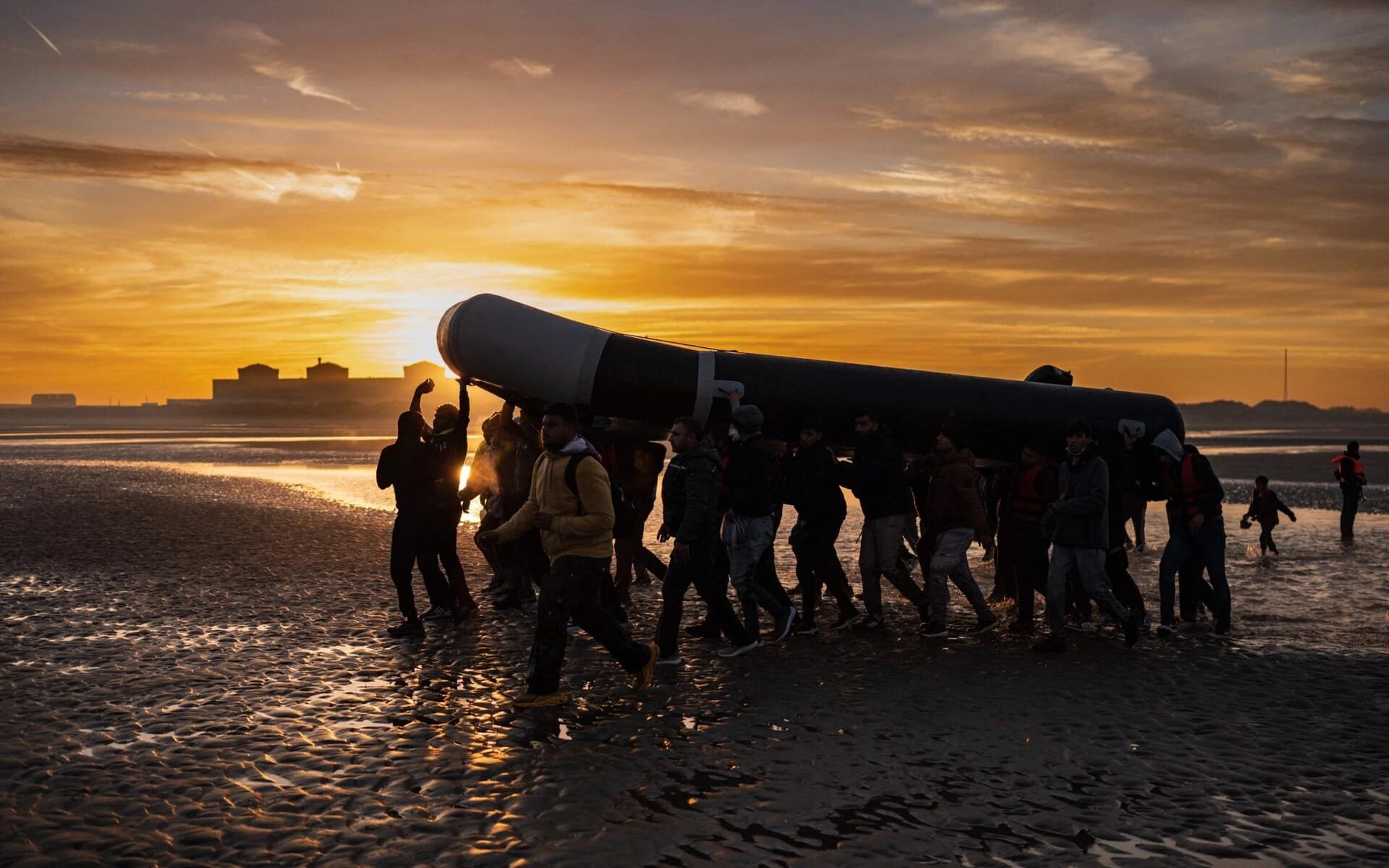
The renewed crossings highlight the continuing risks faced by migrants attempting to reach Britain through one of Europe's busiest and most dangerous migration routes, including Kurds from the Kurdistan Region.
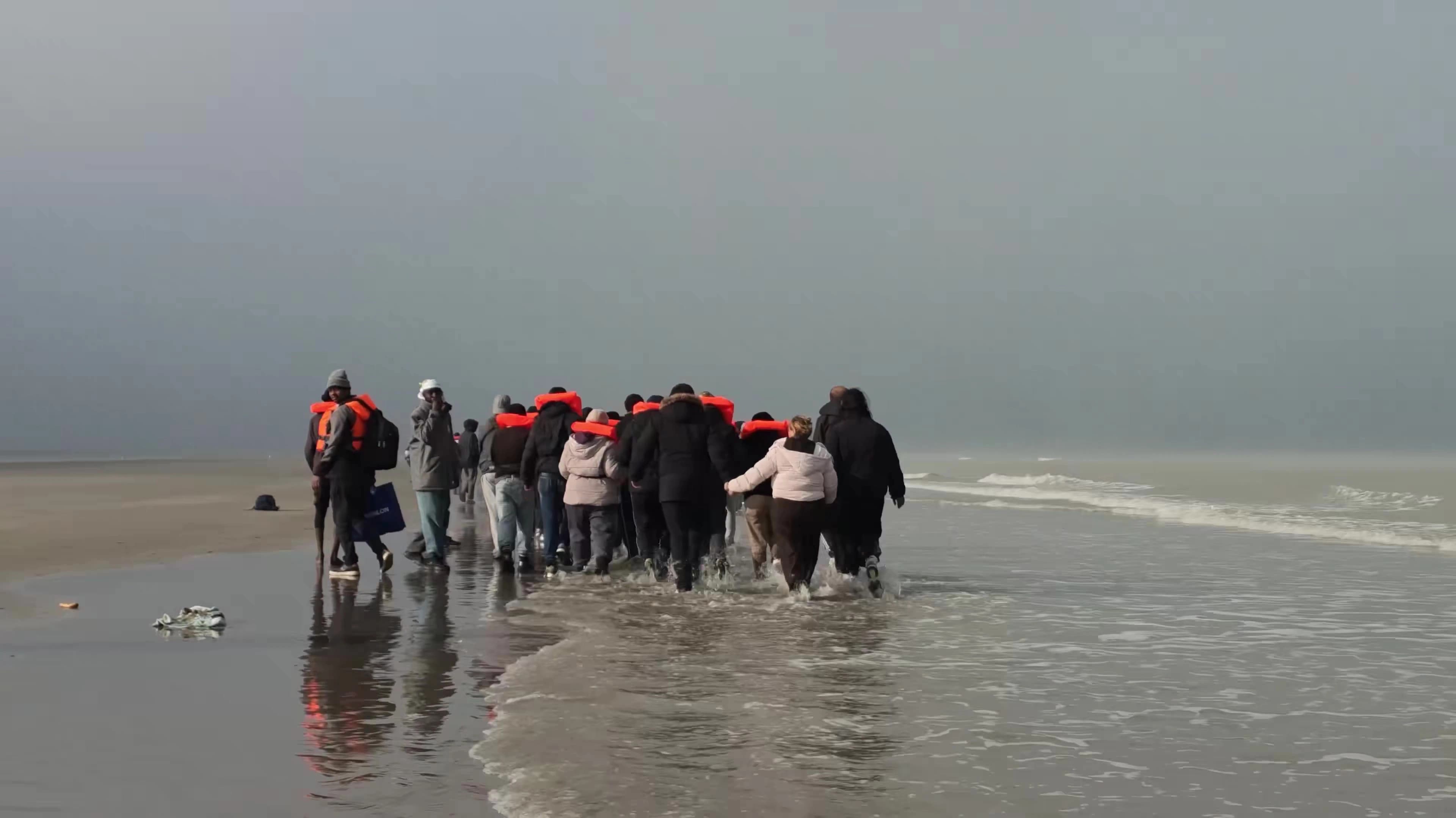
In a report published last month, Rudaw documented the conditions faced by Kurdish migrants in makeshift camps near Dunkirk, northern France, where some spend weeks or months waiting for an opportunity to cross the Channel.
"Even if it turns into a storm, we will still go [cross the sea]," one Kurdish migrant told Rudaw during an attempted crossing in early October.
The latest figures cover October 29 to November 1 and are published on the UK government's official website.
The journey has proved deadly for Kurdish migrants.
In November 2021, a boat carrying migrants from northern France sank in the Channel, killing 27 people and leaving four missing, most of them Kurds. A Paris court in September sentenced six smugglers for manslaughter for up to 10 years in prison over their involvement - including four Kurds on smuggling charges.
The crossings also highlight the ongoing ubiquity of Kurdish people involved with trafficking to the UK.
A boat painted in the colors of the Kurdish flag carrying dozens of migrants crossing the English Channel made headlines in the UK on Thursday, prompting backlash from right-wing leader of the Reform UK Party Nigel Farage, who mocked the incident and those like it as invasions necessitating the deployment of the Royal Navy “to stop the boats forever.”