
ERBIL, Kurdistan Region - US President Donald Trump said Friday that negotiations with Iran are ongoing, while threatening Tehran with a “heavier dose” following Iran’s rejection of a ceasefire if Strait of Hormuz demands are not accepted.
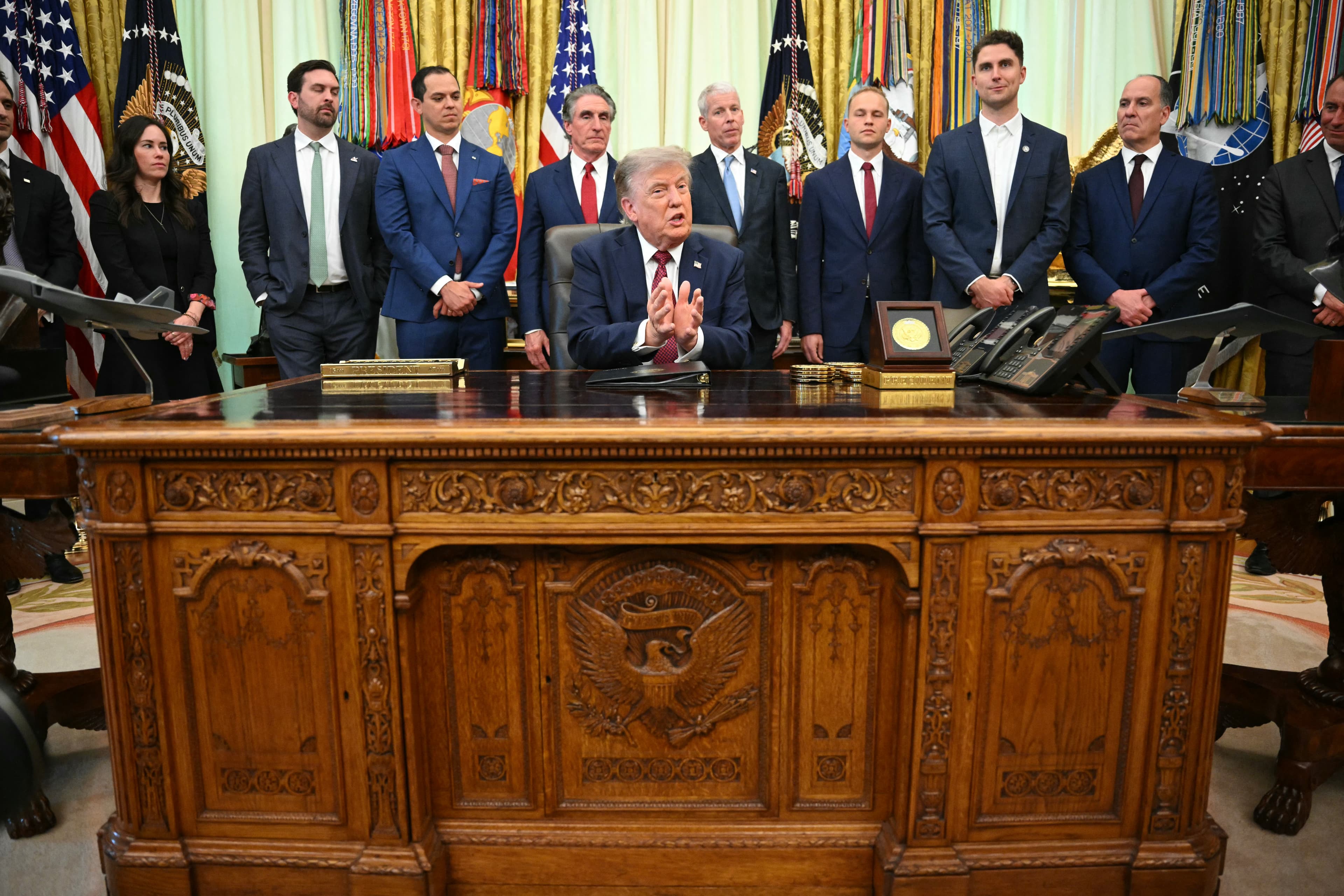
“There's a military exit where we just keep going just the way we are, and we can even make it a heavier dose, and it's knocking out everything they have,” Trump told reporters at the White House, noting, “we could do it in a more rapid fashion, which we might do.”
“Or we can negotiate with them, which we're also doing right now. I mean, as we speak, we're talking to them,” the US president added.
The remarks come following the latest round of escalations between Iran and the US, which began on July 8 and entered its seventeenth day on Friday, amid threats from Tehran to launch strikes against regional infrastructure if Iranian facilities are targeted or Iran is barred from exporting oil.
The military operations continue despite the two sides having agreed to the Islamabad Memorandum of Understanding in mid-June, which established a ceasefire on all fronts and reopened the Strait of Hormuz to commercial shipping.
"We will not accept a temporary ceasefire, and this issue will not be on the table unless our demands regarding the Strait of Hormuz are met," Iranian Foreign Minister Abbas Araghchi told reporters on Friday.
He added, "the current problem between Tehran and Washington is not the absence of mediators, as Pakistan and Qatar continue to play their role," while pointing out that "the fundamental problem with the United States lies in its approach, which must change."
US Central Command (CENTCOM) said Friday its forces “completed a 13th straight night of strikes against Iran.” Targets included “military command centers, drone storage facilities, communication networks, coastal surveillance sites, and maritime capabilities.”
The strikes aim to “further diminish the threat Iran poses to civilian mariners and commercial vessels transiting the Strait of Hormuz,” according to the command.
It added that the waterway “remains open for transit despite recent attacks by Iran’s Islamic Revolutionary Guard Corps [IRGC],” and that “commercial vessels continue to freely navigate the Strait with U.S. military support.”
In a previous statement, CENTCOM said that since resuming its naval blockade against Iran nine days ago, its forces have “redirected 12 commercial vessels and disabled one to prevent ships from entering or leaving Iranian ports and coastal areas.”
Iran's chief negotiator and Parliament Speaker Mohammad Bagher Ghalibaf warned Wednesday that no regional country will be able to sell its oil if Tehran is barred from doing so, nor will its infrastructure be safe if Iranian security is not ensured.