ERBIL, Kurdistan Region - EU leaders convened on Monday for their final session before summer recess to discuss issues of regional security and future cooperation regarding their withdrawal and drawdown of advisory missions from the Kurdistan Region and Iraq.
"We worry about ISIS. We did so in the past, we still do so in the future, and we look with our international partners to see how we can contain it," Dutch Foreign Minister Tom Berendsen told Rudaw’s Znar Shino when asked about the future of the anti-ISIS coalition in Iraq and the Kurdistan Region.
Bulgarian foreign minister Velislava Petrova-Chamova told Rudaw that the decision to withdraw personnel would depend on security assessments and available resources. "If the ending of the mission is something that is considered safe enough, then, of course, it's always good to maintain one, but it's a matter of capacity," she said.
The convenings come as NATO and other European countries have decided to withdraw or heavily reduce their advisory missions from the Kurdistan Region and Iraq amid escalating tensions in the US-Iran war.
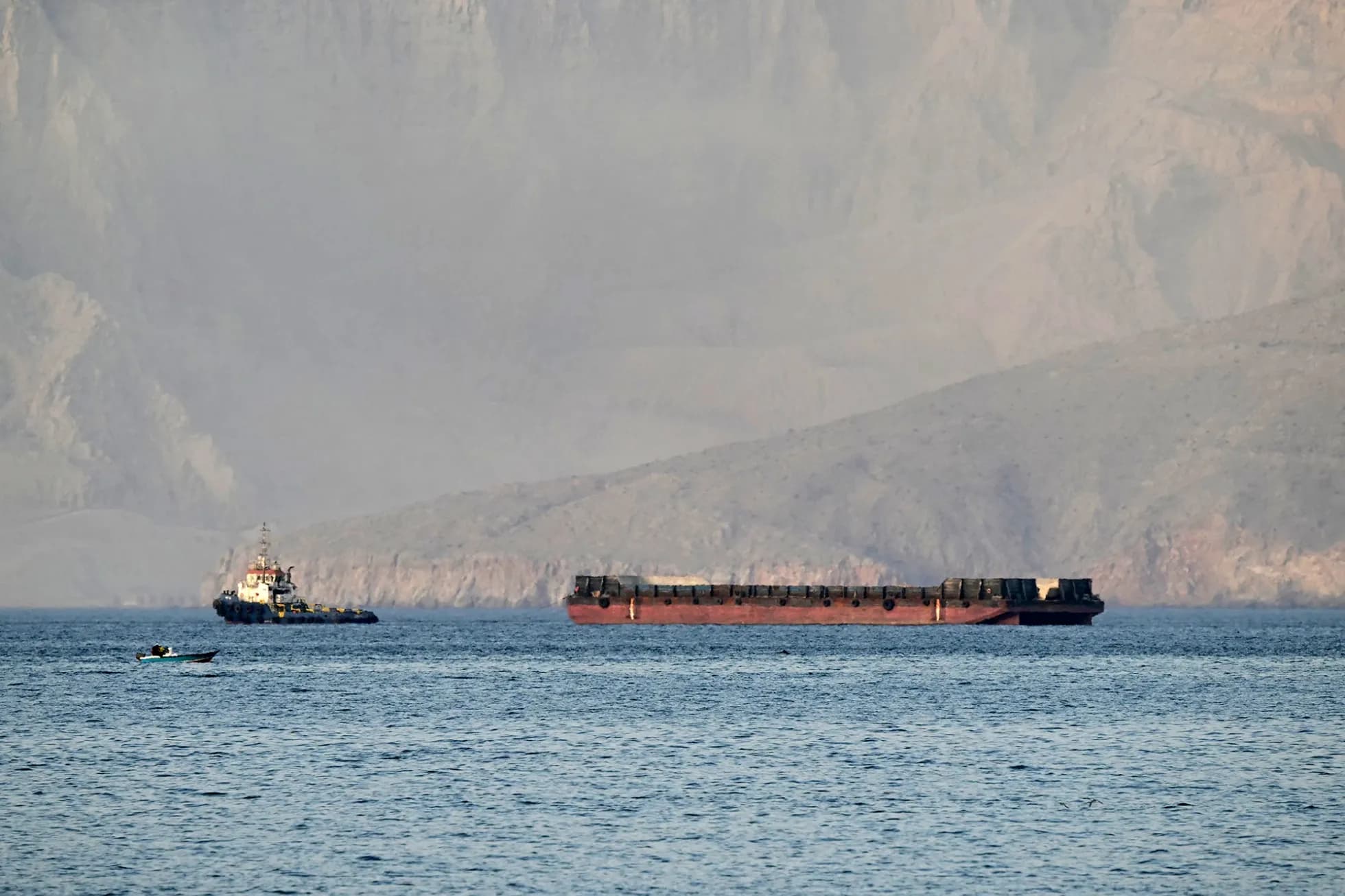
EU foreign policy chief Kaja Kallas said Iraq remains a key concern for the bloc, particularly regarding the status of the Strait of Hormuz.
"Iraq is also a major concern for us," Kallas told Rudaw, warning that any disruption to oil exports through the strategic waterway could undermine Iraq's ability to provide public services, increasing the risk of internal instability in the global economy.
She added that the EU is in contact with Iraqi officials to discuss ways to address the potential impact, describing the issue as a shared concern for Iraq's regional partners.
The remarks come as regional tensions remain elevated following the recent Iran-Israel conflict, with European officials warning that any disruption to oil exports through the Strait of Hormuz could affect Iraq's economy and domestic stability.
The Global Coalition against ISIS has supported Iraqi and Kurdish forces since 2014 through military operations, training and advisory missions.
Iraqi officials have repeatedly said the country's security forces are increasingly capable of confronting the group's remaining cells, though coalition members have warned that ISIS continues to pose a security threat.