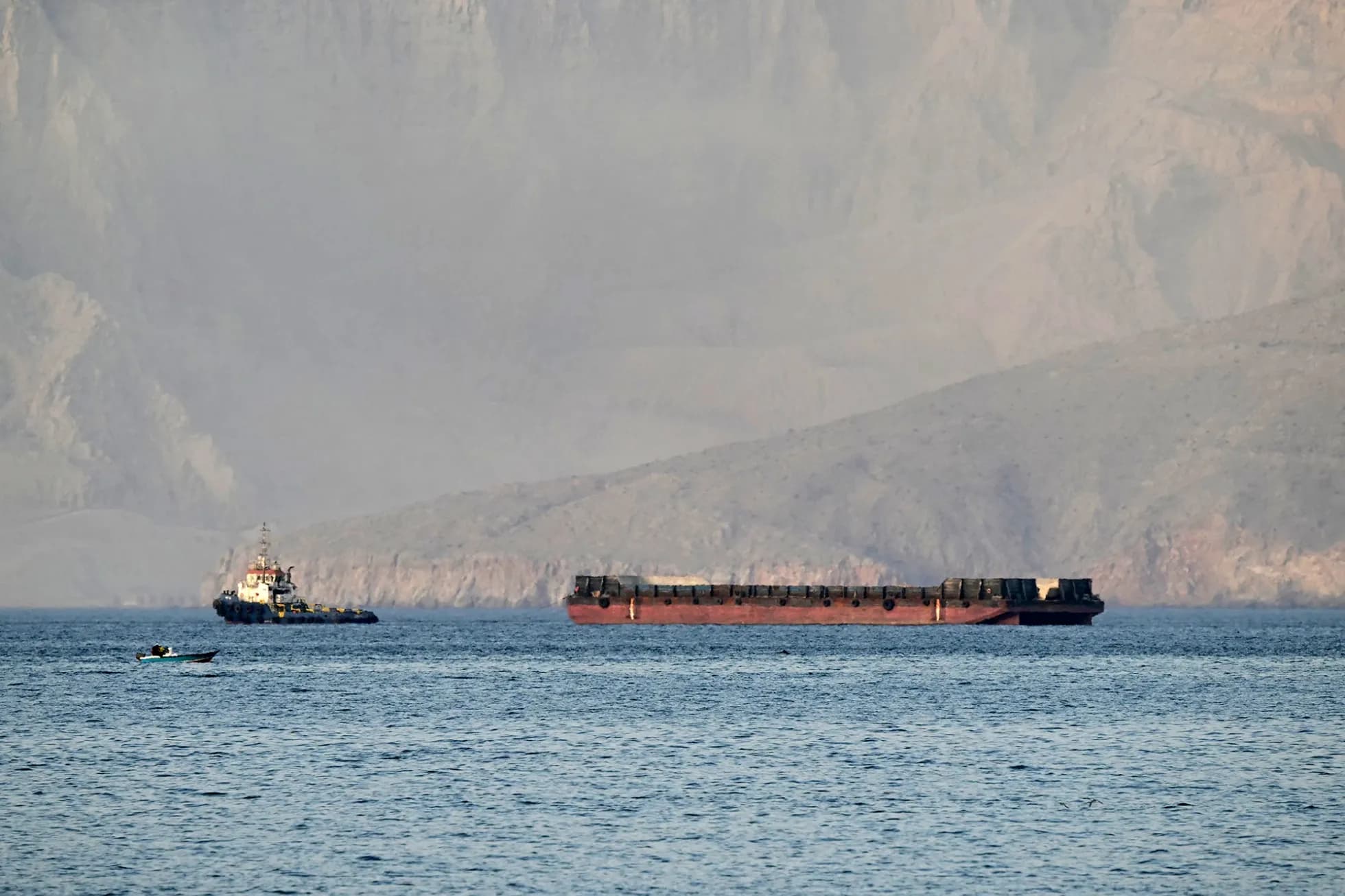
ERBIL, Kurdistan Region - The US Central Command (CENTCOM) announced on Sunday that its forces have redirected 35 commercial vessels, disabled two, and boarded two others while enforcing Washington's maritime blockade against Iran, amid the renewed tensions between Washington and Tehran over the past few weeks.
In a post on X, CENTCOM announced the launch of its F-35C stealth fighter jet aircraft carrier though the Arabian Sea to fortify “the U.S. blockade against Iran,” adding that as of August 2, its forces had "redirected 35 commercial vessels, disabled 2, and boarded 2" during enforcement operations.
The latest figures mark an increase from Thursday after CENTCOM said it had redirected 24 commercial vessels, with the number of disabled and boarded ships unchanged. The Command has not publicly identified the redirected vessels or provided additional details regarding the latest operations.
The carrier deployments come as escalations between the US and Iran have intensified in recent weeks, extending beyond direct military strikes to include assaults on shipping routes, regional security, and commercial aviation, with looming threats of renewed military action pending an agreement over the management of the Strait of Hormuz.
Iranian Foreign Minister Abbas Araghchi announced Sunday that negotiations between Tehran and Muscat regarding the Strait of Hormuz have entered the final stages and are moving toward completion, reported Fars news.
This follows US President Donald Trump’s remarks early Sunday that he has suspended planned military strikes against Iran to allow for renewed efforts to reach a deal.
The US blockade was reinstated in late July after Iran's Persian Gulf Strait Authority suspended transit through the Strait of Hormuz, citing what it described as ongoing US military actions in the region.
CENTCOM has said the blockade is intended to prevent maritime access to Iranian ports while allowing compliant commercial shipping to continue.
The Strait of Hormuz remains one of the world's most strategically important waterways, carrying roughly one-fifth of global oil consumption and a significant share of global liquefied natural gas exports. Continued disruptions in the corridor have raised concerns over global energy supplies and regional security.