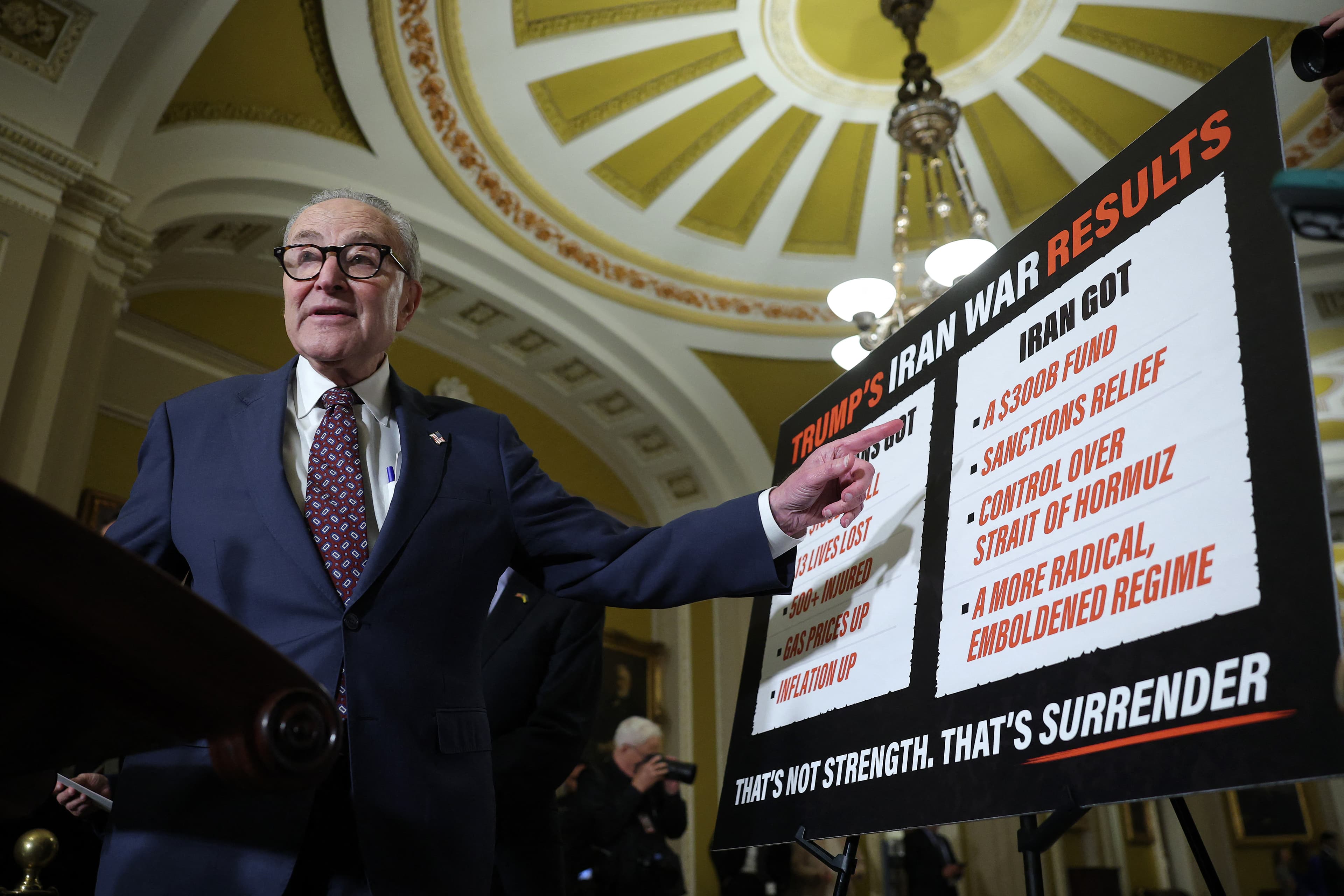

ERBIL, Kurdistan Region - The US Senate on Tuesday approved a non-binding resolution joining the House of Representatives and directing President Donald Trump to halt the Iran war that has become increasingly unpopular amongst the Republican voters as the campaigns for the US mid-term election get underway.
The House-passed measure cleared the Senate in a 50-48 vote, directing Trump to remove US forces from hostilities with Iran unless Congress explicitly authorizes military action. The measure does not require the president's signature and carries disputed legal force, making it non-binding.
The vote puts both chambers of Congress on record against a conflict that began with US and Israeli strikes on Iran in late February, triggering a broader regional war in the Middle East that rattled global energy markets, disrupted trade routes and drew in Lebanon and Gulf states.
Trump swiftly condemned the vote, calling it "poorly timed and meaningless."
"So, I have Iran on the 'ropes,' ready to go down for the fall...and the U.S. Senate decides to have a poorly timed and meaningless War Powers Act Vote," Trump wrote on Truth Social after the vote.
"These Senators have just made my job more difficult, but I will get it done, one way or the other, because I always get it done!" he added.
The passing of the resolution comes amid ongoing diplomatic efforts between Washington and Iran following the six-week war. Key points of the negotiations included Iran’s nuclear program as well as regional security concerns, such as maritime security in the Strait of Hormuz.
Diplomatic efforts also expanded across the Gulf.
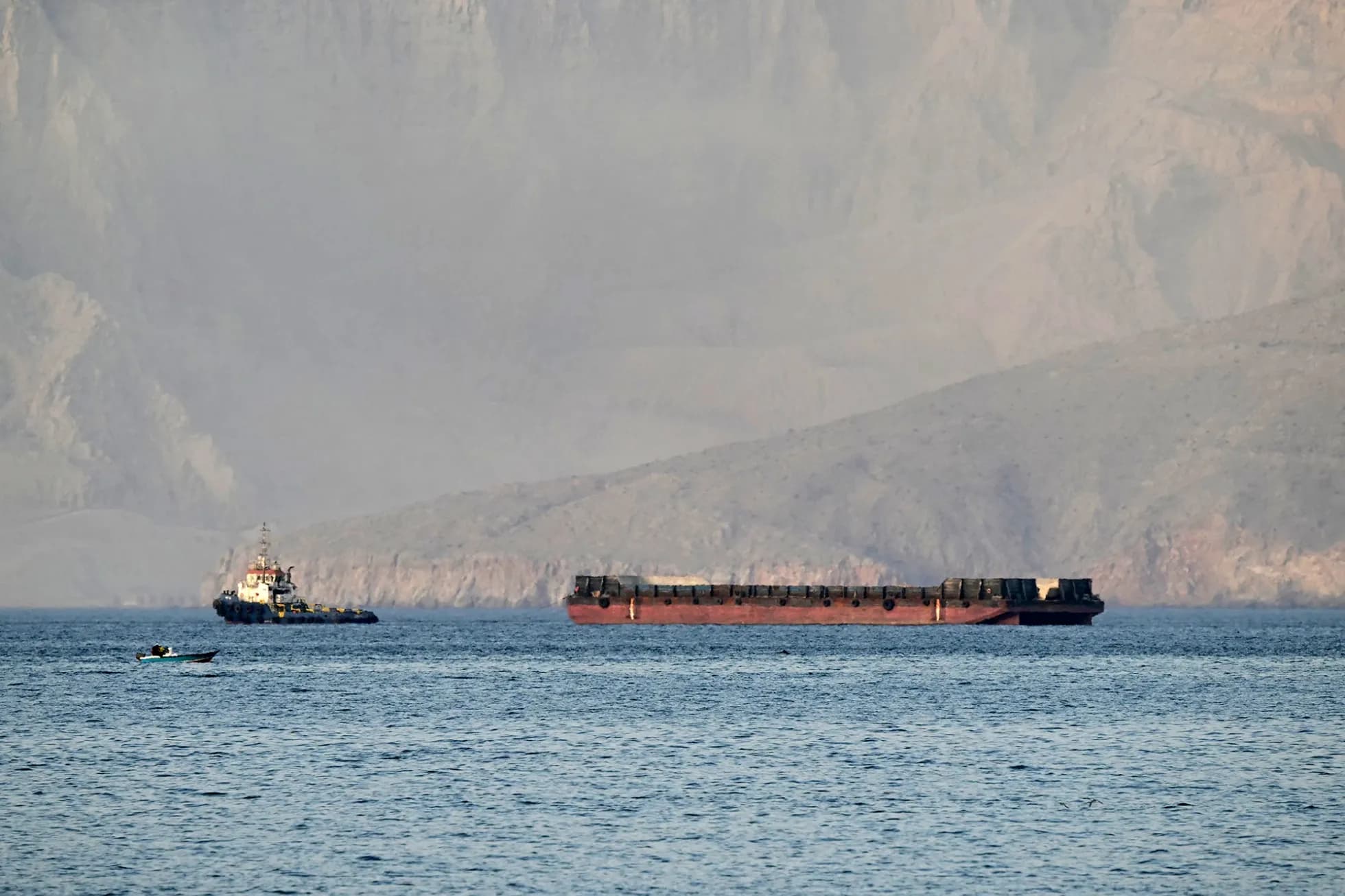
US Secretary of State Marco Rubio arrived in Abu Dhabi on Tuesday on the first leg of a regional tour intended to reassure Gulf allies that suffered major economic losses during the conflict. Iran's closure of the Strait of Hormuz had cut off most Gulf oil and gas exports.
Rubio's trip marks the first visit by a senior US official to the Gulf since Washington and Tehran signed their preliminary agreement aimed at ending the war.
The vote came as the Trump administration continued a 60-day diplomatic effort to transform a preliminary memorandum of understanding signed last week with Iran into a comprehensive agreement covering Tehran's nuclear program, sanctions relief and the future of the Strait of Hormuz.
The resolution had earlier passed the Republican-controlled House after four Republicans joined Democrats in supporting it, marking a rare split with Trump on national security.
While diplomacy has accelerated following the preliminary agreement signed by Trump and Iranian President Masoud Pezeshkian, significant disputes remain unresolved.
Iran on Tuesday rejected claims that inspectors from the International Atomic Energy Agency (IAEA) would soon regain access to nuclear facilities damaged in US and Israeli strikes.
"We have not had a meeting with the director general of the IAEA, nor do we have any plans for the agency to inspect Iran's nuclear facilities damaged by the US and Zionist military aggression," Iranian foreign ministry spokesman Esmaeil Baghaei said.
Trump disputed Tehran's position, writing on social media that "Iran has fully and completely agreed to highest level Nuclear inspections long into the future."
Another major sticking point remains the Strait of Hormuz. Iran's chief negotiator and Parliament Speaker Mohammad Bagher Ghalibaf said the strategic waterway would "never return" to the conditions of unrestricted passage that existed before the war, despite new communication mechanisms intended to reduce tensions.
Iranian state media also announced that Ghalibaf will soon visit China. Before the trip, Ghalibaf and Foreign Minister Abbas Araghchi met Oman's Sultan Haitham bin Tariq in Muscat to discuss arrangements for managing the Strait of Hormuz.
Meanwhile, Pezeshkian insisted that Iran's ballistic missile program remains outside the scope of the agreement reached with Washington.
"I would like to confirm one fact: our missile programme was not included in the MoU, as you said, and it shall not be included in the MoU," Pezeshkian said during a joint press conference with Pakistani Prime Minister Shehbaz Sharif.
"I would like to say that if it was not for Iran's missile capabilities, our country would have been plundered, destroyed and ploughed by the US regime and the Zionist regime (Israel), like what Israelis did in Gaza," he added.
The broader regional conflict also remained fragile in Lebanon.
Hezbollah leader Naim Qassem called for the complete withdrawal of Israeli forces from southern Lebanon as authorities reported two people killed by Israeli gunfire despite a recent lull in fighting.
"We now have a ceasefire. The withdrawal must take place according to a timetable. Israel has no choice but to fully withdraw from all Lebanese territory, without retaining an inch," Qassem said in a televised address.