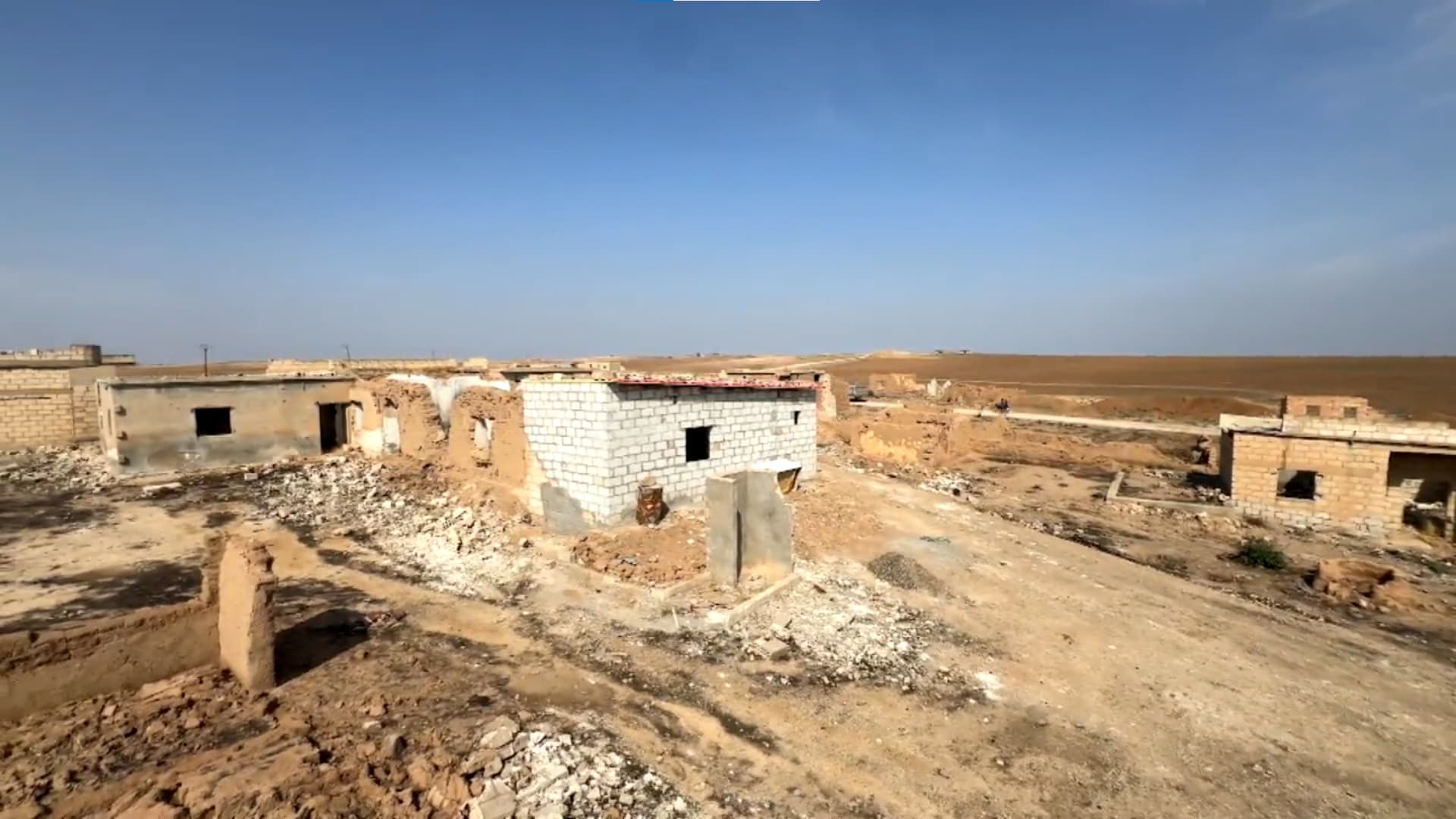
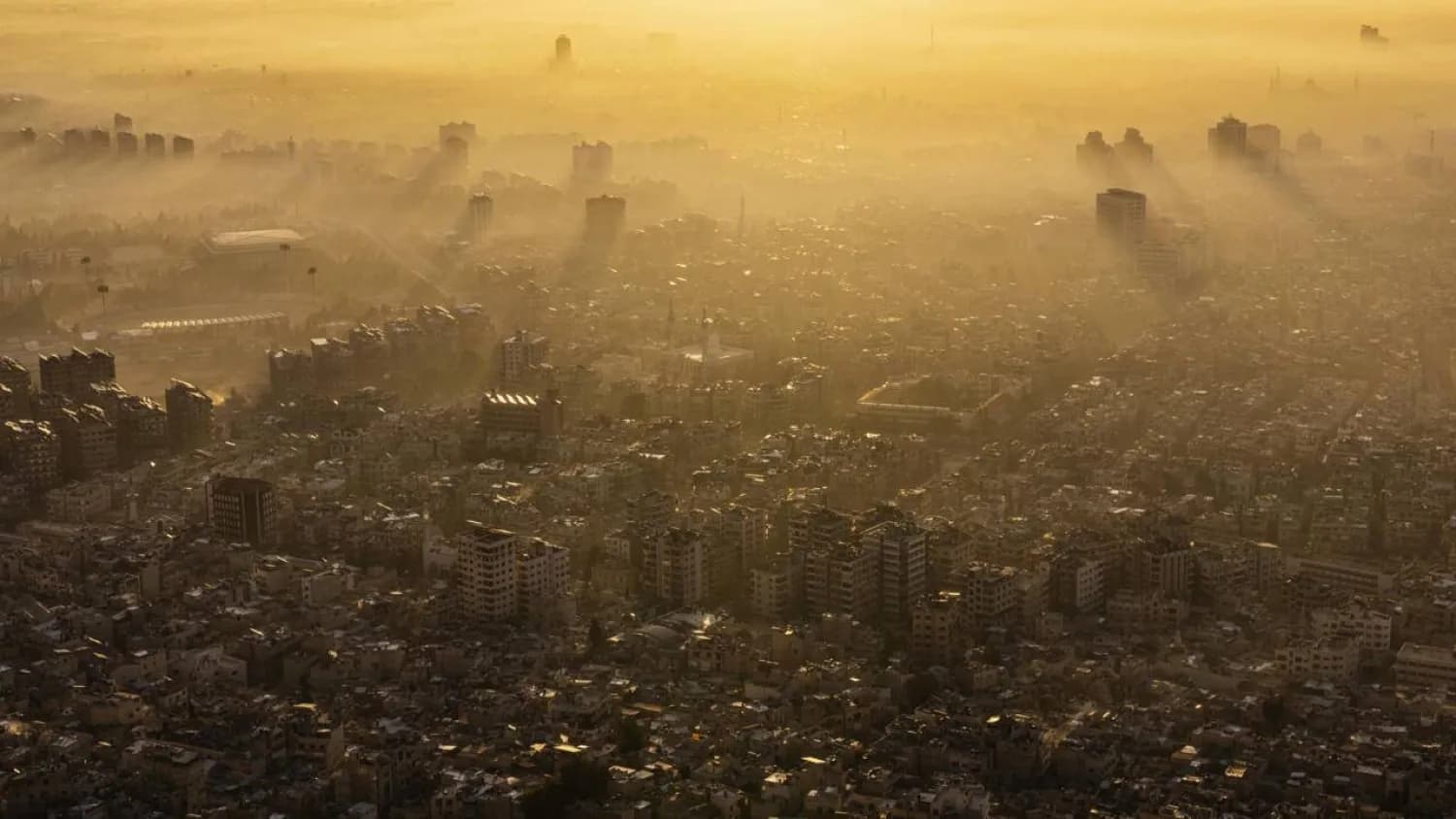
ERBIL, Kurdistan Region - The January advance of Syrian government forces into northeast Syria (Rojava) accelerated the withdrawal of American troops from the country, the inspector general for the US-led Global Coalition to Defeat ISIS reported, adding that it further created security vacuums in areas previously held by the Kurdish-led Syrian Democratic Forces (SDF), including detention facilities holding ISIS militants, and left “future Syrian counter-ISIS partnerships in limbo.”
In a newly declassified quarterly report to the United States Congress covering January to March 2026, the Lead Inspector General for Operation Inherent Resolve (OIR) - the official name of the Washington-led coalition’s anti-ISIS campaign - stated that the capture of northeastern Syria by Damascus forces in January prompted “an accelerated transition and realignment of US forces.”
The report said that Syrian government forces “rapidly and, according to security analysts, often chaotically captured most of northeastern Syria from the Kurdish-led Syrian Democratic Forces (SDF),” effectively bringing “an end to the decade-long U.S. counter-ISIS partnership with the SDF.”
US forces were instructed to “remain neutral and did not intervene in the hostilities,” the report added, which ultimately led to a full withdrawal by mid-April, as “U.S. forces closed their remaining bases,” marking the official end of the 10-year Combined Joint Task Force-Operation Inherent Resolve (CJTF-OIR) presence in Syria.
The SDF and Damascus reached a landmark agreement on January 29, reportedly following significant mediation by US Special Envoy for Syria Tom Barrack, as well as Kurdish political figures from the Kurdistan Region.
The deal came after a sharp escalation in mid-January, when Syrian government forces and affiliated armed groups seized territory previously held by SDF forces in eastern Aleppo, Raqqa, Deir ez-Zor, and Hasakah provinces.
The SDF, which serves as the de facto military force in Rojava and is a key on-the-ground partner of the US-led Global Coalition to Defeat ISIS, played a central role in liberating these areas from the extremist group in 2019 and had since maintained control to prevent its resurgence.
During the Syrian government offensive, SDF units were also forced to withdraw from several detention facilities holding thousands of ISIS prisoners, many of whom escaped amid the ensuing chaos.
According to the Lead Inspector General’s report, the rapid advance forced “SDF personnel guarding detention facilities holding ISIS detainees to redeploy to front lines, at times before government forces could take control.”
The report confirmed that “at least 150 ISIS fighters escaped detention facilities as a result of the Syrian government offensive and its aftermath.”
Meanwhile, US Central Command (CENTCOM) deployed forces to secure another critical site, the Panorama detention center, where over the following weeks American troops carried out emergency evacuations, transferring “5,704 remaining ISIS detainees from detention facilities in Syria to government facilities in Iraq to prevent further ISIS escapes.”
At the same time, Kurdish guards withdrew from the al-Hol displaced persons camp - long used to house ISIS family members. The report noted that the “SDF’s sudden departure created a significant security vacuum.”
Under the limited oversight of incoming Syrian forces, “as many as 20,000 residents - including thousands of ISIS family members and affiliates - departed unmonitored,” the report added, noting that the US-led Coalition had previously warned that such an unmonitored exodus created an ongoing security concern with “broader regional security implications.”
In conclusion, the report stated that the wholesale restructuring of the Syrian map has left Washington scrambling to build a new framework for regional counterterrorism. It cited the Office of the Under Secretary of War for Policy as reporting that the rapid integration of local actors, combined with the accelerated withdrawal of American ground forces, “disrupted U.S. forces’ ability to vet Syrian actors, leaving future Syrian counter-ISIS partnerships in limbo.”