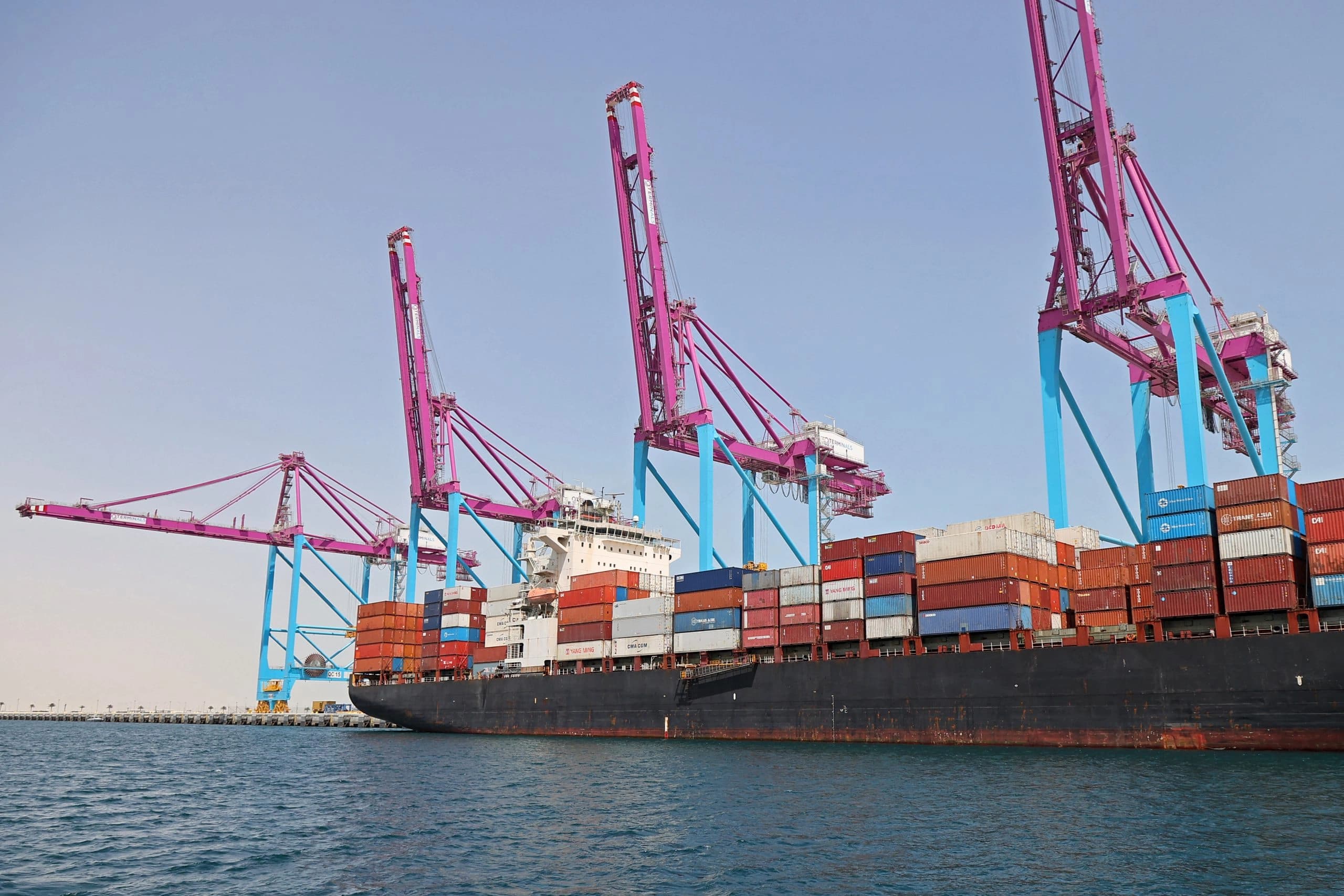
ERBIL, Kurdistan Region - The US Central Command (CENTCOM) said Saturday its forces have supported the safe transit of more than one billion barrels of crude oil through the Strait of Hormuz over the past couple of months, a claim disputed by Iran's Islamic Revolutionary Guard Corps (IRGC) Navy, which says it retains full control of the strategic waterway.
“CENTCOM forces have supported more than one billion barrels of crude oil leaving the Gulf. That's one billion barrels of crude oil out through the Strait of Hormuz in the last couple of months,” CENTCOM commander Adm. Brad Cooper said.
US forces have also helped 2,000 commercial ship transits through the strait by providing “coordinated protection,” Cooper said, adding that “primary transit lanes in the strait are clear of mines.”
A US naval blockade of Iranian ports has remained in effect since mid-July. CENTCOM said Friday its forces had redirected 105 commercial vessels to ensure compliance with the blockade. “Iran has exported zero barrels thanks to our ironclad blockade,” Cooper claimed.
Iran's Islamic Revolutionary Guard Corps (IRGC) Navy offered a conflicting account Friday, with its commander, Ali Azmaei, saying its forces "continue to powerfully hold control over the vital waterway of the Strait of Hormuz, permitting no aggressor to pass through. “He warned that unauthorized transit “will yield no result other than the destruction of the offending vessel.”
Azmaei said IRGC forces had targeted the Togo-flagged tanker Trend late Thursday, alleging the vessel attempted an unauthorized crossing at the instigation of the US military, and said the ship was halted after an onboard fire. Azmaei didn’t specify the nature of IRGC’s targeting of the tanker.
Separately, the United Kingdom Maritime Trade Operations (UKMTO) issued an alert over a “security incident in the Strait of Hormuz” 16 nautical miles northeast of Khasab, in Oman's northern Musandam province, without specifying the type of vessel involved. UKMTO didn’t establish whether the security incident related to the Togo-flagged tanker IRGC said it had targeted.
“The crew have been reported as safe,” UKMTO said, adding that no environmental impact had been confirmed and that authorities were investigating.
Tensions in the strait, through which roughly a fifth of global oil and gas supplies pass, have remained high since the US and Iran went to war in late February. A preliminary ceasefire was reached in early April, followed in mid-June by the Islamabad Memorandum of Understanding, which opened a 60-day window to negotiate a final agreement. The truce collapsed within weeks, and the two sides have traded repeated rounds of strikes since.
Global oil markets have reacted sharply to the escalation. Brent crude, the international benchmark, surged past $100 a barrel last week to intra-week highs near $108, up from an average of about $90 a barrel in late August.
Iran and Gulf states, including Iraq, had been scheduled to meet Monday in Oman to discuss commercial shipping through the waterway, but the meeting has been postponed indefinitely.
“We remain committed to fostering dialogue that supports stability and lasting cooperation in our region,” Omani Foreign Minister Badr Albusaidi wrote on X on Sunday, in a post accompanied by the flags of Oman, Iran, Iraq, Saudi Arabia, Qatar, Bahrain and the United Arab Emirates.