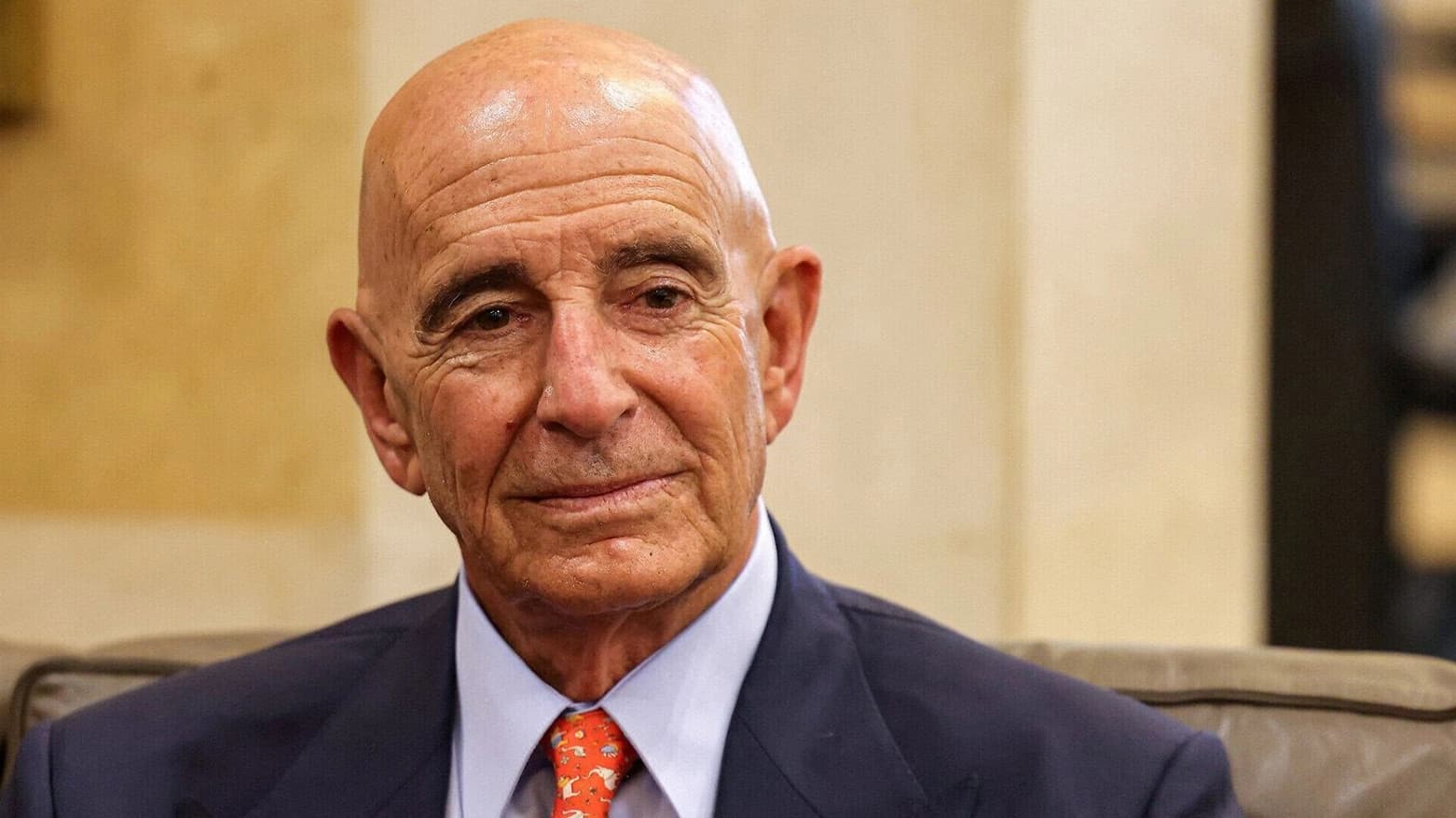

ERBIL, Kurdistan Region - Washington is close to reaching an agreement to de-escalate regional hostilities, US Special Envoy for Syria and Iraq Tom Barrack said on Thursday, as senior Iranian officials reiterated that progress would depend on Tehran’s key conditions being met.
“Qatar and Pakistan and all of our allies have done a good job in trying to bring us into a room where we can have an agreement on a process,” Barrack, who is also the US ambassador to Turkey, told CNN on Thursday, adding, “I think that we're very close on finally getting to a place to say let's just have a time out. Let's have a time out, bring temperatures down.”
His remarks come amid reported Qatari mediation efforts between Washington and Tehran to ease months of tensions following the regional war that erupted in late February.
In mid-June, the United States and Iran signed the Islamabad Memorandum of Understanding, brokered by Pakistan, establishing a framework for ending hostilities and pursuing a broader agreement.
However, the understanding failed to produce a lasting settlement. Military tensions subsequently escalated, with the US resuming its naval blockade of Iranian ports in mid-July and carrying out strikes on Iranian military targets.
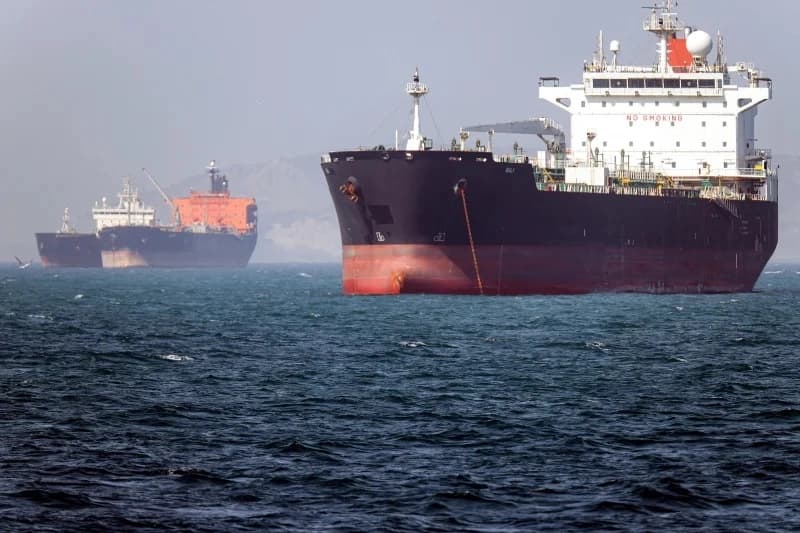
Attacks on commercial vessels in the Strait of Hormuz and surrounding waterways have surged in October, with at least 28 incidents reported and confirmed, making it the worst month for shipping attacks since the US-Israeli war with Iran began in late February, according to the Washington Institute for Near East Policy.
“We can allow the region to find its own pace and part of that is what's happening today,” Barrack said, adding that “in the next two weeks you could have dramatic steps forward of everybody saying let's bring the temperature down, let's start again. Let's get rid of the hostile kinetic activity and find a new alignment.”
Iranian Parliament Speaker Mohammad Bagher Ghalibaf pushed back against Washington's approach in a post on X on Thursday, stating that “Iran’s conditions have been repeatedly and clearly stated to the mediators.”
“The carrot-and-stick approach has no effect on Iran,” Ghalibaf said, stressing that “progress can only be achieved once Iran’s seven conditions have been agreed upon.”
Tehran's key demands include an end to US military attacks on Iran and its regional allies, the lifting of the US naval blockade on Iranian ports, the removal of restrictions on Iranian oil exports and the release of billions of dollars in frozen Iranian assets.
JD Vance’s letter
US Vice President JD Vance sent a letter to Mohsen Rezaei, secretary of Iran’s Supreme National Security Council, the country's top security body, the Wall Street Journal reported on Wednesday, citing US officials and people familiar with the matter.
Iran's semi-official Tasnim News Agency, which is affiliated with the Islamic Revolutionary Guard Corps (IRGC), also reported on the letter on Thursday, adding that Tehran “has yet to respond to it.”
On Monday, senior officials from Turkey, Pakistan and Saudi Arabia, members of the regional Mecca defence pact, held a quadrilateral meeting in Tehran hosted by Rezaei as part of efforts to prevent renewed hostilities between Iran and the United States.
The meeting was attended by Saudi Defence Minister Prince Khalid bin Salman, Pakistani army chief Asim Munir and Turkish intelligence chief Ibrahim Kalin. The delegations also met Iranian President Masoud Pezeshkian and Foreign Minister Abbas Araghchi.
The three countries signed the Mecca Joint Defence Agreement in August, under which an armed attack on one member is considered an attack on all. Following Monday's talks, the four countries agreed to continue discussions aimed at strengthening regional cooperation, peace and security, although no concrete agreement to end the conflict was announced.