
ERBIL, Kurdistan Region - The dissolution of the Syrian Democratic Forces (SDF) was “inevitable” but it will eventually yield good results, a senior leader of the opposition Kurdistan Democratic Party of Iran (KDPI) said, adding that the party’s stance to not participate in the US-Iran war was based on “accurate” calculations.
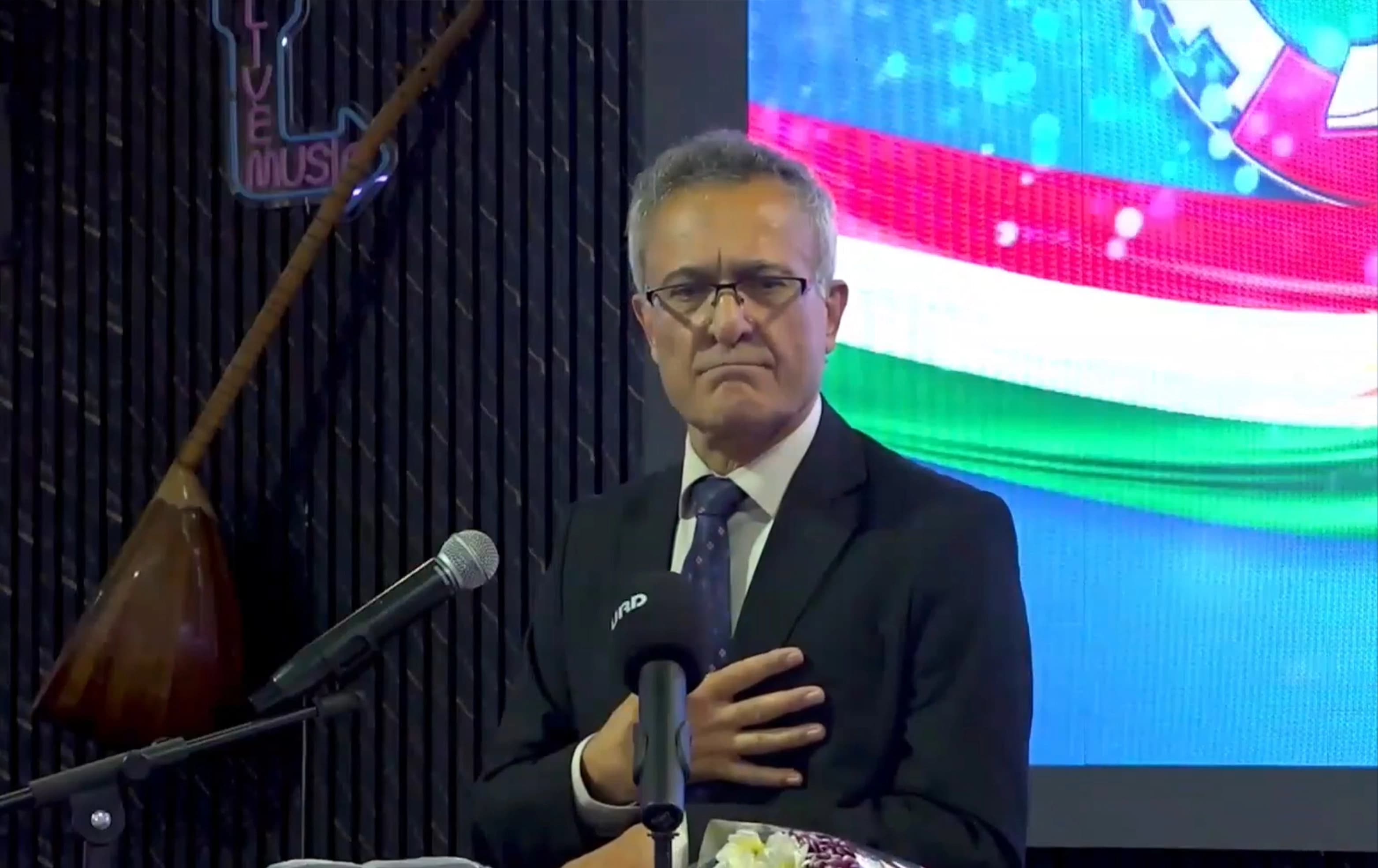
Speaking at an event in the UK celebrating the KDPI’s 81st anniversary on Friday, party spokesperson Khalid Azizi stated that the Kurdish issue in northeast Syria (Rojava) "has no other options" than to be resolved through the integration process of its civil and military institutions into the Syrian government structures, noting that the Kurds “will benefit from it.”
Last week, Mazloum Abdi, the General Commander of the now-dissolved Kurdish-led SDF announced the disbandment of the force after the completion of its integration into the Syrian army based on an agreement reached with Damascus in January, following weeks of intense fighting.
Subsequently, Abdi assumed an advisory position to the Syrian President Ahmed al-Sharaa on Kurdish affairs.
Established in 2015, the SDF saw more than 11,000 of its fighters killed before they finally defeated the Islamic State (ISIS) in the country in 2019.
KDPI’s stance in Iran war
Regarding the party’s stance on the war against Iran, Azizi defended an earlier position taken by the KDPI to not send fighters to facilitate the downfall of the Iranian government during the six week-long war initiated by the US and Israel against Tehran on February 28.
Washington and Tel Aviv struck around 17,000 targets across Iran during the campaign in a series of strikes that killed Iran’s former Supreme Leader Ayatollah Ali Khamenei, along with at least 40 senior political and military leaders of the Islamic Republic.
“People tell us that we have missed ‘a golden opportunity,’ " the KDPI spokesperson said. “They tell us that it was the fault of our leadership… that we are not a revolutionary force.”
The KDPI, along with four other Iranian Kurdish dissident groups, formed an alliance at the apex of the US military buildup around Iran in mid-February.
The Iranian leadership had gradually grown skeptical of the alliance. The late Ali Larijani, the Iranian national security chief at the time, said before being killed in an airstrike in March that Tehran would “not tolerate” what he branded as “Kurdish separatism."
Iranian President Masoud Pezeshkian also stated at the time that security forces would “deal decisively with any separatist movement.”
However, neither the KDPI nor any other Kurdish dissident group mobilized fighters into Iran.
“Was there any guarantee for toppling the Islamic regime? …. Was there any credible signal that, aside from us [Kurds], the other communities will join?” Azizi questioned in his Friday speech.
“In that uncertain situation, our calculations were accurate,” he added, stressing that “I unequivocally support it.”
Ruling out attack from Iraq
The KDPI spokesperson further explained that they have no intentions to stage attacks from the Kurdistan Region and Iraq against Iran.
“We have very good relations with the Iraqi government,” he stated, noting that they have informed the federal authorities that their struggle “only involves supporting civil movements” in Iran.
As for the Kurdistan Region, Azizi explained that they have “never” tried to give Tehran “a pretext” to threaten the Region.
“We have told both the Kurdistan Regional Government [KRG] and the Iraqi government that we will not make Iraq a front for our war with Iran,” he said,
Iraq and Iran signed a security deal in March 2023 requiring Baghdad to disarm the Iranian Kurdish opposition groups based in the Region and bolster border security, with Tehran warning of military action if the agreement was not implemented.
The agreement was made after Tehran accused the groups of involvement in the 2022 nationwide “Women, Life, Freedom” movement that swept Iran in 2022. In mid-August 2025, Baghdad and Tehran upgraded the security protocol to a memorandum of understanding.
Since the outbreak of the US-Iran war, the Kurdistan Region has been struck by around 1,000 missiles and drones from Iran and its aligned groups in Iraq. According to Rudaw tracking, the strikes have resulted in 32 deaths and around 150 injuries.