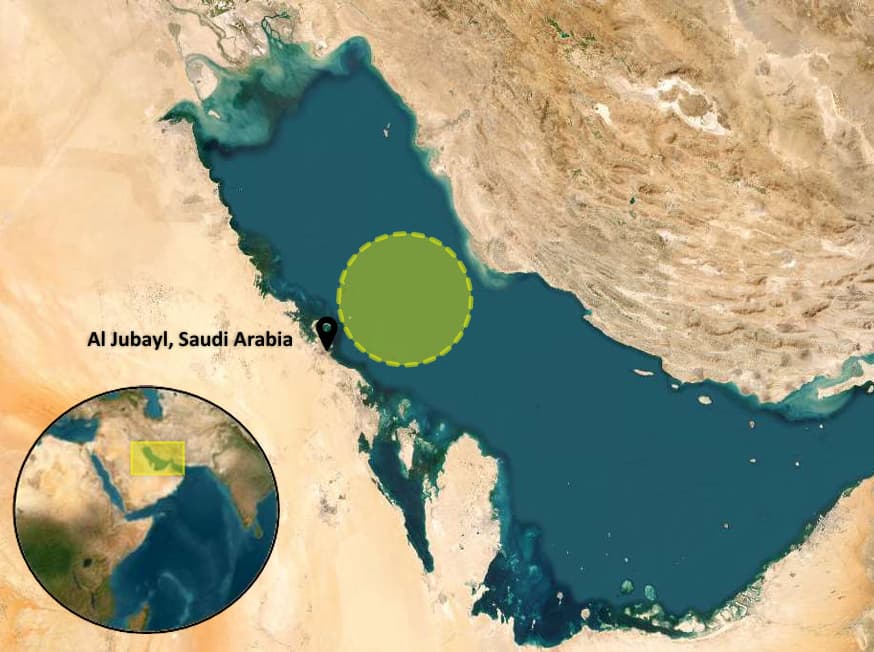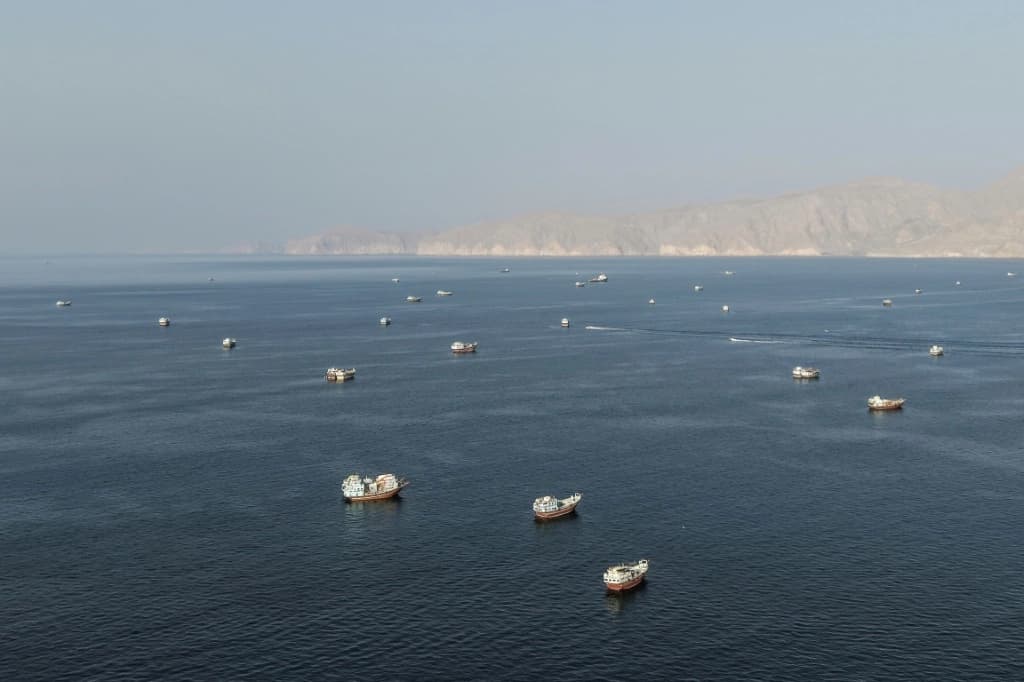

ERBIL, Kurdistan Region - US forces on Wednesday carried out “additional strikes” against Iran, the US Central Command (CENTCOM) reported, noting that the operations was conducted on the orders of President Donald Trump in response to what Washington says is Tehran’s “unjustified aggression” against commercial shipping in the Strait of Hormuz.
CENTCOM forces “have started conducting additional strikes against Iran” at the “direction of the Commander in Chief [Trump],” the Command said in a statement, noting that the operation aims to “further degrade” Tehran’s “ability to threaten freedom of navigation in the Strait of Hormuz.”
“The United States is holding Iran accountable for recent unjustified aggression against commercial shipping and civilian crews freely navigating a vital international waterway,” the statement added.
The strikes are the second wave recorded in less than 24 hours.
In a previous statement on Wednesday, CENTCOM had stated that the first wave was "an immediate response” to Iran's attacks on three commercial vessels transiting Hormuz - the Marshall Islands-flagged Motor Tanker (M/T) al-Rekayyat, Saudi Arabia-flagged M/T Wedyan, and Liberian-flagged M/T Cyprus Prosperity - all recorded in the preceding 24 hours.
Earlier in the same day, Trump also remarked, "We hit them [Iran] very hard last night, very, very hard.” Speaking to reporters on the sidelines of his participation at the NATO summit in Ankara, the US president added, “We'll probably hit them hard again tonight."
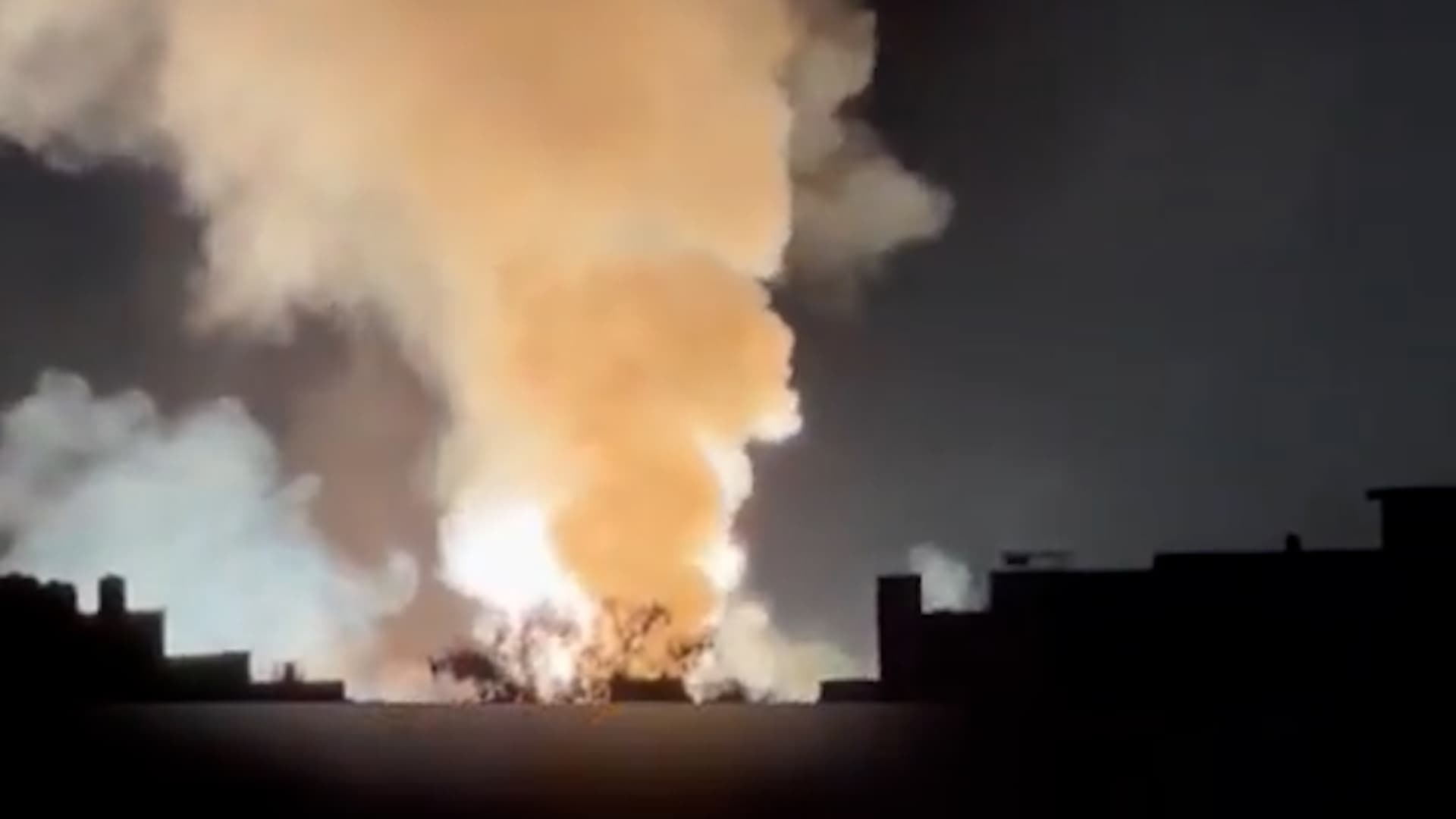
For its part, the state-run Islamic Republic News Agency (IRNA) reported that at least “15 explosions were heard” in southern Iran. “The source and cause of the explosions have not yet been verified,” the outlet said, adding that “some unofficial sources have attributed them to projectiles fired from the direction of the US-Israeli enemy.”
The latest escalation marks the second such flare-up in recent weeks, following a high-intensity exchange between the two sides across the region in late June, before backchannel diplomacy led to an emergency stand-down.
The earlier round had caused a brief collapse of the Islamabad Memorandum of Understanding - a preliminary agreement struck between Iran and the US in mid-June, under which the two sides agreed to a cessation of military operations and committed to talks aimed at reaching a comprehensive settlement to the regional war within 60 days of signing, with the possibility of extension by mutual consent.
On Wednesday, US President Trump told reporters in Ankara, “To me, it [the ceasefire] is over,” adding, “as far as I'm concerned, it's just a waste of time dealing with them. They're liars.”
Iran's chief negotiator and Parliament Speaker Mohammad Bagher Ghalibaf on Wednesday accused Washington of repeatedly violating established understandings, saying "the era of bullying and extortion is over. It leads nowhere. We don't fold."
The latest escalation marks the second such flare-up in recent weeks, following a high-intensity exchange between the two sides across the region in late June, before backchannel diplomacy led to an emergency stand-down.
The earlier round had caused a brief collapse of the Islamabad Memorandum of Understanding - a preliminary agreement struck between Iran and the US in mid-June, under which the two sides agreed to a cessation of military operations and committed to talks aimed at reaching a comprehensive settlement to the regional war within 60 days of signing, with the possibility of extension by mutual consent.
Iran's chief negotiator and Parliament Speaker Mohammad Bagher Ghalibaf on Wednesday accused Washington of repeatedly violating established understandings, saying "the era of bullying and extortion is over. It leads nowhere. We don't fold."
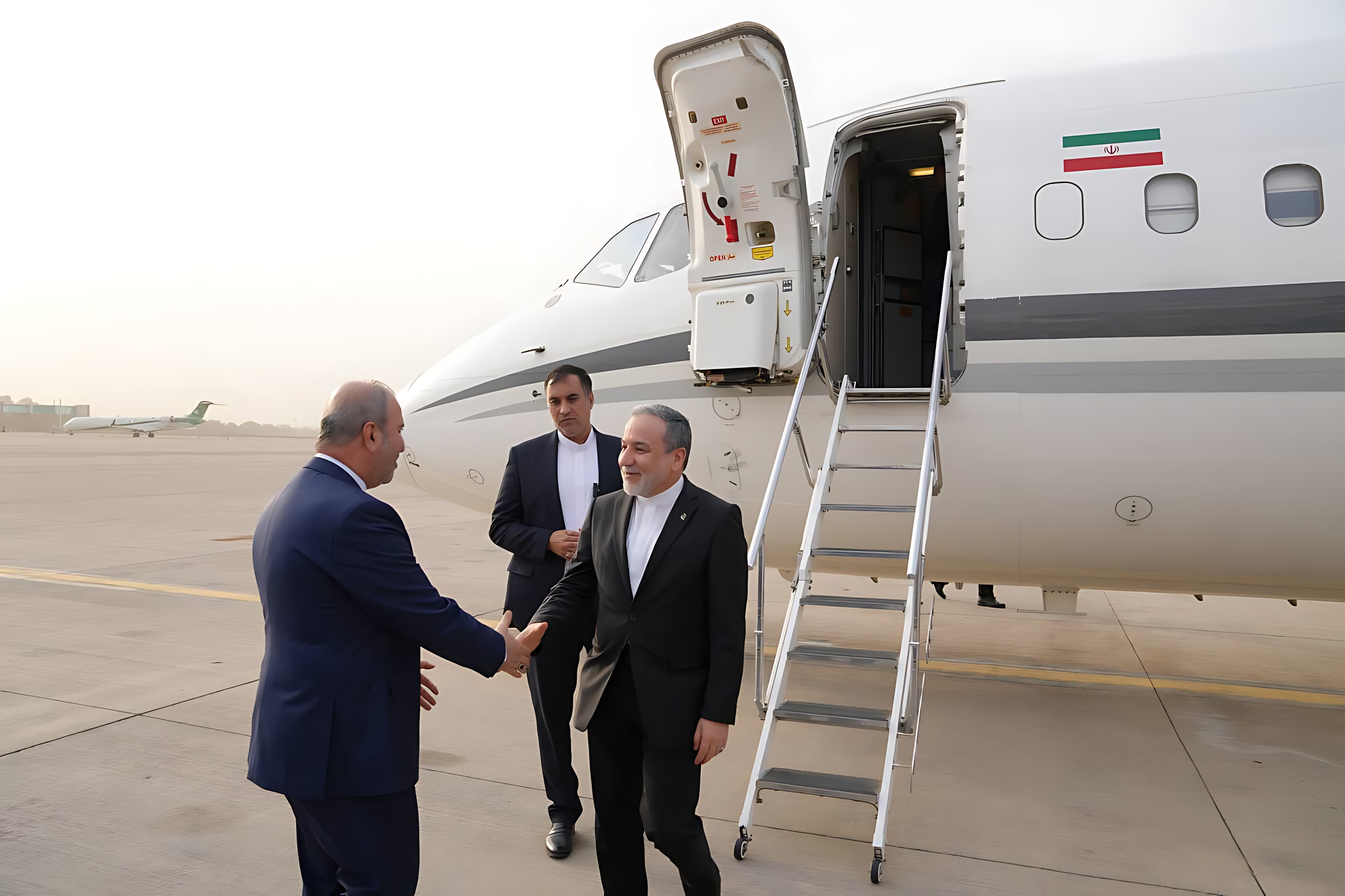
Later the same day, Iranian foreign ministry Spokesperson Esmaeil Baghaei said that the Islamabad MoU “from its very first step, was not established on the basis of trust, but rather on the clear mechanism of ‘commitment for commitment;’ as there was no sign of good faith in the other side's behavior.”
In a statement he posted on X, he accused the US of violating the understanding “which emphasizes the Islamic Republic of Iran's responsibility in determining arrangements for the safe passage of ships through the Strait of Hormuz,” through what he said were “unilateral actions and aggressive attacks against Iran.”
“The Islamic Republic of Iran will steadfastly pursue the protection of its national interests and the exercise of its sovereignty,” Baghaei concluded.
Last updated at 12:10 am