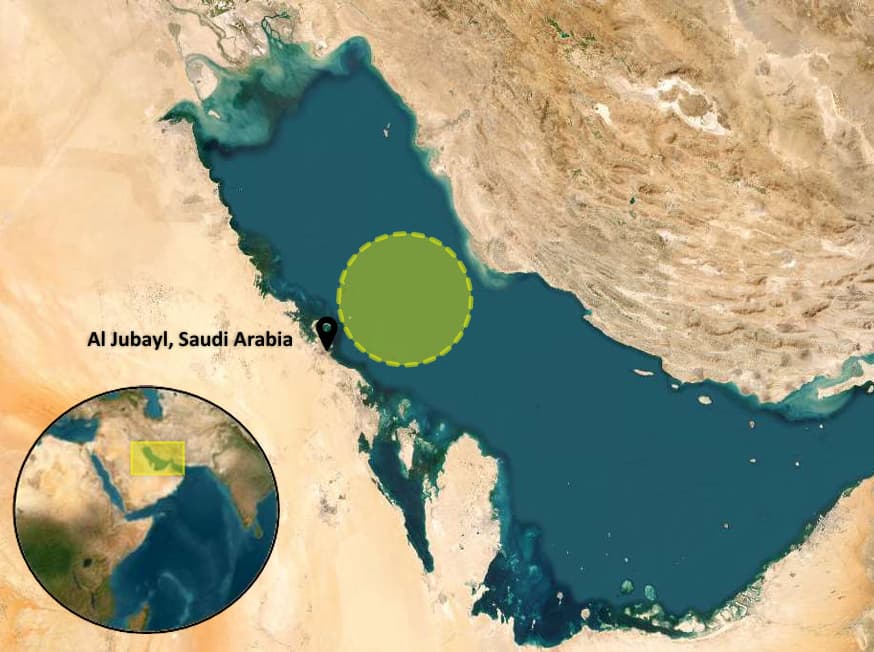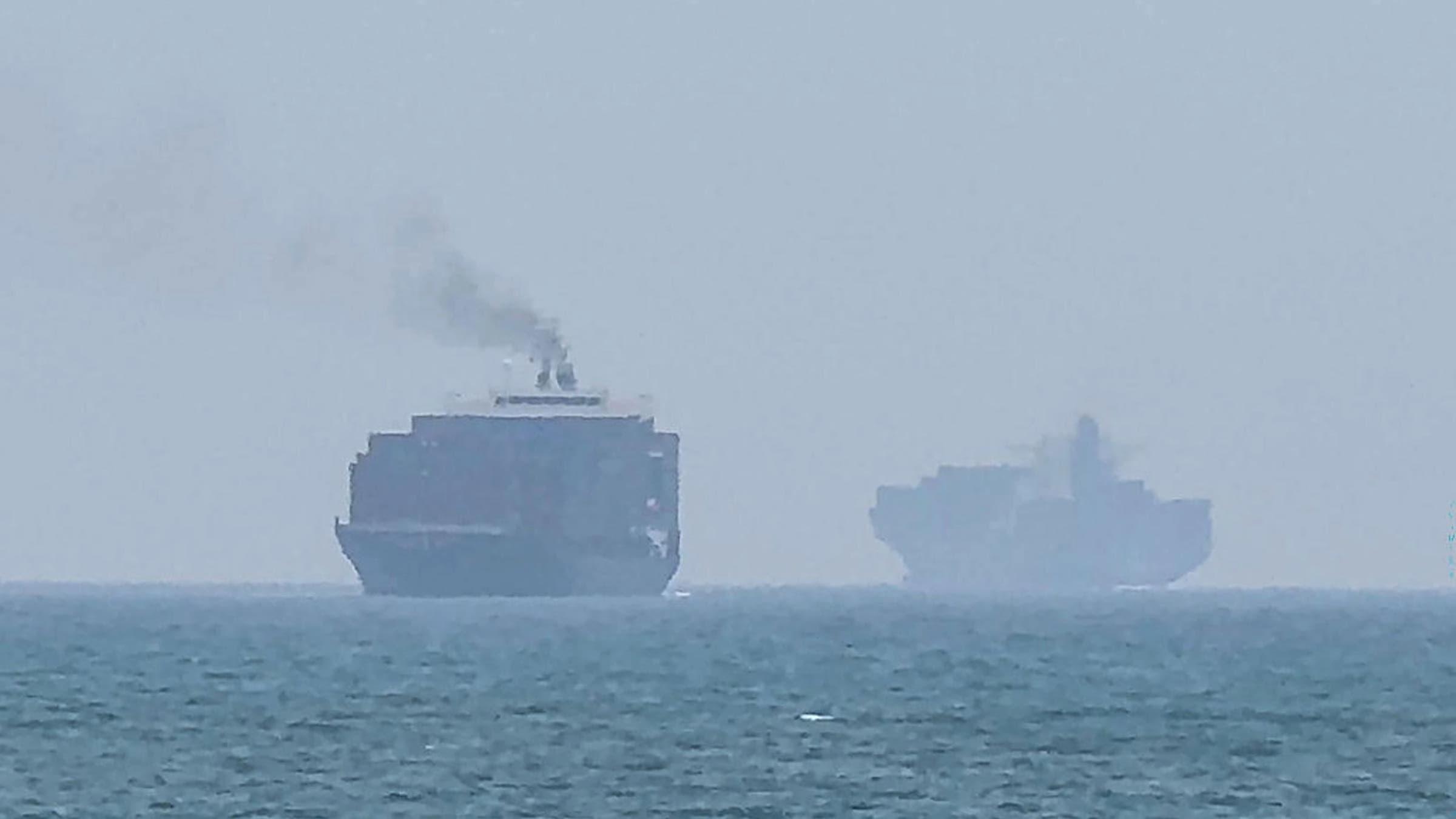

ERBIL, Kurdistan Region – A commercial vessel was struck by an unidentified projectile in the Strait of Hormuz early Tuesday, causing damage to its engine room and a crew casualty, as maritime attacks continue amid a deepening standoff between Iran and the United States.
The United Kingdom Maritime Trade Operations (UKMTO) said the vessel was hit at around 1:35 am UTC while sailing out of the Strait of Hormuz.
“The impact caused damage to the engine room and resulted in a crew casualty,” UKMTO said, adding that the remaining crew were being assisted by the Omani Coast Guard.
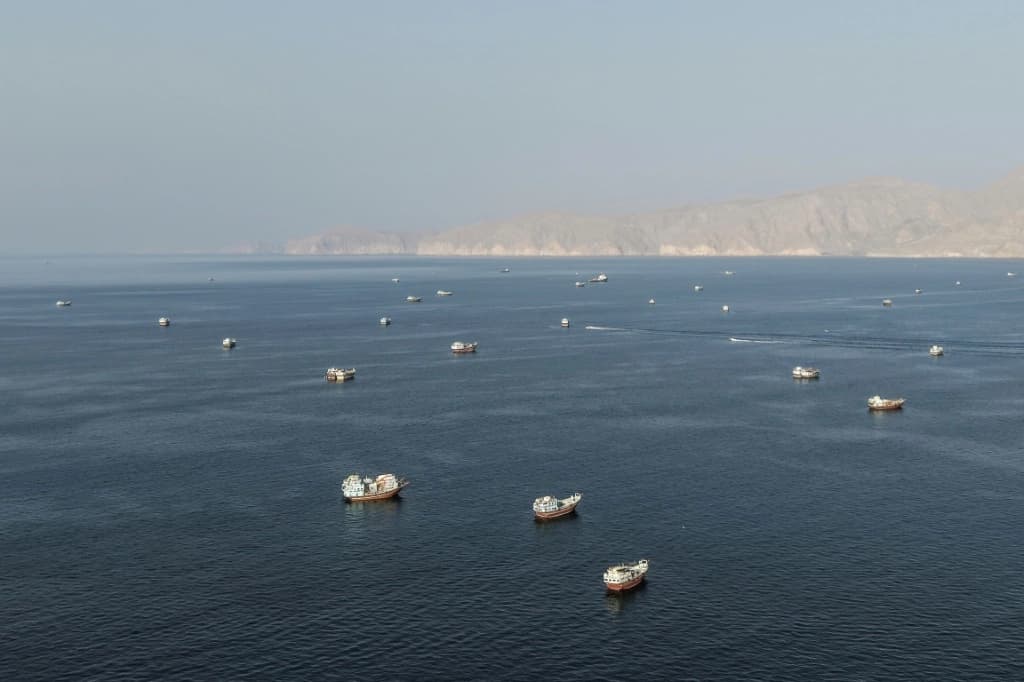
The latest attack comes as shipping through the strategic waterway has fallen to a fraction of its pre-war level. Only six commercial vessels crossed the Strait of Hormuz on Monday, according to ship-tracking data cited by Reuters, three entering the Gulf and three leaving. Just three crossed on Saturday and two on Sunday. No very large crude carriers or liquefied natural gas tankers were recorded passing through on Monday.
Prior to the US-Israeli war with Iran began on February 28, around 130 to 140 vessels a day typically transited the strait.
The International Maritime Organization (IMO) recorded 65 confirmed maritime incidents across the Strait of Hormuz and the wider Middle East by August 11, with 17 seafarers killed. Its incident log also records at least 33 seafarers wounded in attacks, although the agency does not provide a consolidated injury total.
The latest incident came hours after President Donald Trump said he was prepared to wait for Tehran to accept US terms rather than rush into an agreement.
US envoy Jared Kushner struck a slightly more diplomatic tone on Monday, saying communication between Washington and different parts of the Iranian government was more extensive than before, but that the two sides had yet to reach an understanding.
Trump has increasingly sought to use economic pressure rather than another immediate large-scale military offensive against Iran.
Washington reinstated its naval blockade of Iranian ports in July. As of Monday, CENTCOM said US forces had redirected 64 commercial vessels, disabled three and boarded two since the blockade was reimposed on July 13.
The blockade is particularly significant as oil exports remain a crucial source of foreign currency and state revenue for Tehran.
Iran has warned that it will respond by adopting a more aggressive military posture if Washington refuses to ease the blockade and other economic restrictions.
A senior Iranian official told Reuters that Tehran was prepared to take “timely and precise” military action to break the US blockade if diplomatic efforts failed. Iranian officials have also said the country is moving from a largely defensive position to a “fully offensive” posture.
That threat has registered the Strait of Hormuz one of the most dangerous fronts in the conflict.
Before the war, roughly a fifth of the world's oil and liquefied natural gas supplies passed through the narrow waterway between Iran and Oman. The combination of Iranian threats, repeated attacks on vessels and the US blockade has now reduced that traffic to only a handful of ships on some days.
The attack in the Strait came one day after the Islamic Revolutionary Guard Corps (IRGC) fired two drones targeting the office of Kurdistan Prime Minister Masrour Barzani in the town of Pirmam in the northeast of Erbil.
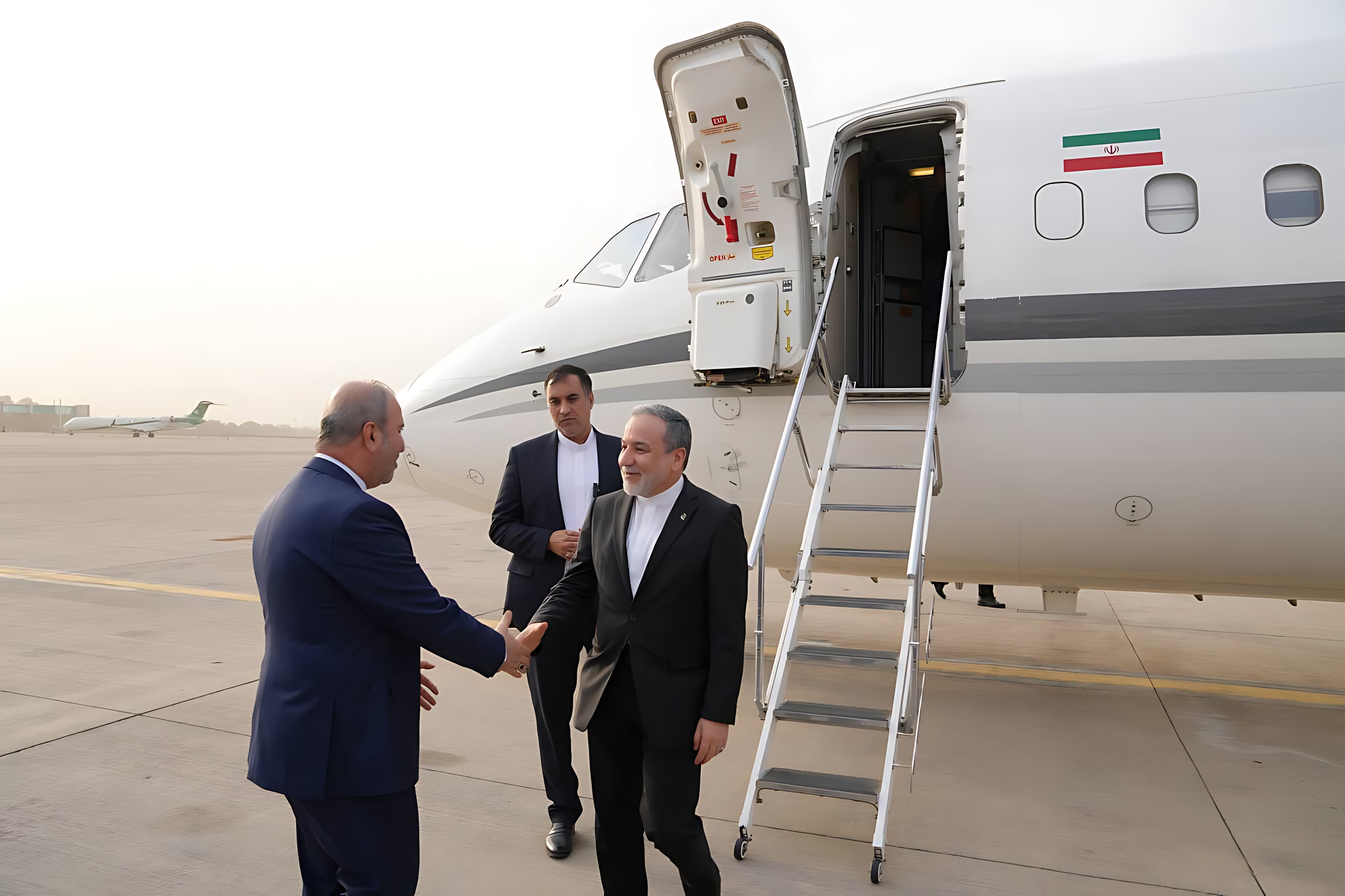
Iran Foreign minister Abbas Araghci posted on X denying that Iran was involved.