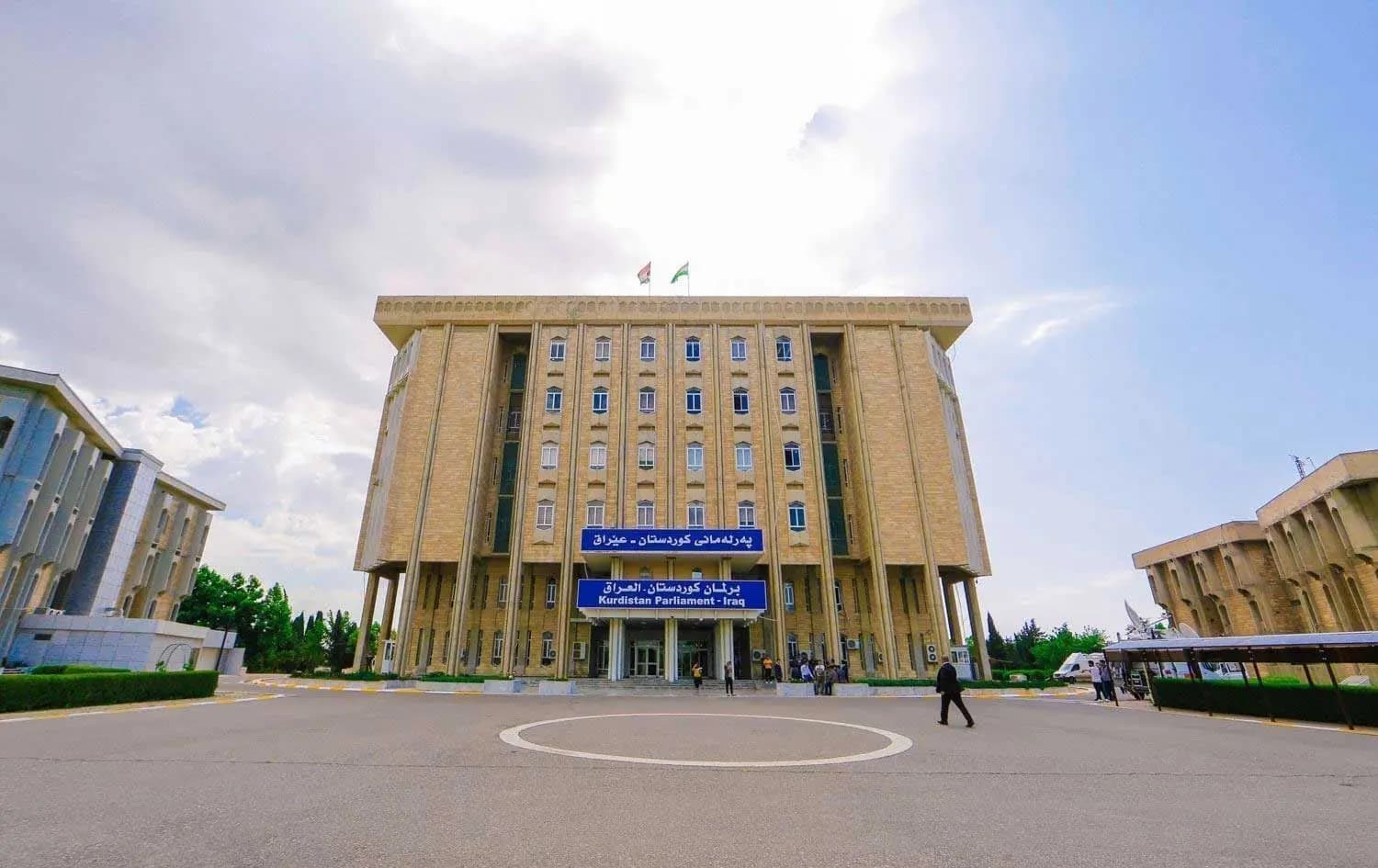

ERBIL, Kurdistan Region - The Kurdistan Regional Government’s state minister for components’ affairs on Wednesday cited “serious efforts” to restore the 11-seat quota for minority populations in the Kurdistan Parliament - reduced to five in accordance with a 2024 federal decision - amid calls for accelerated efforts toward the formation of the new government cabinet.
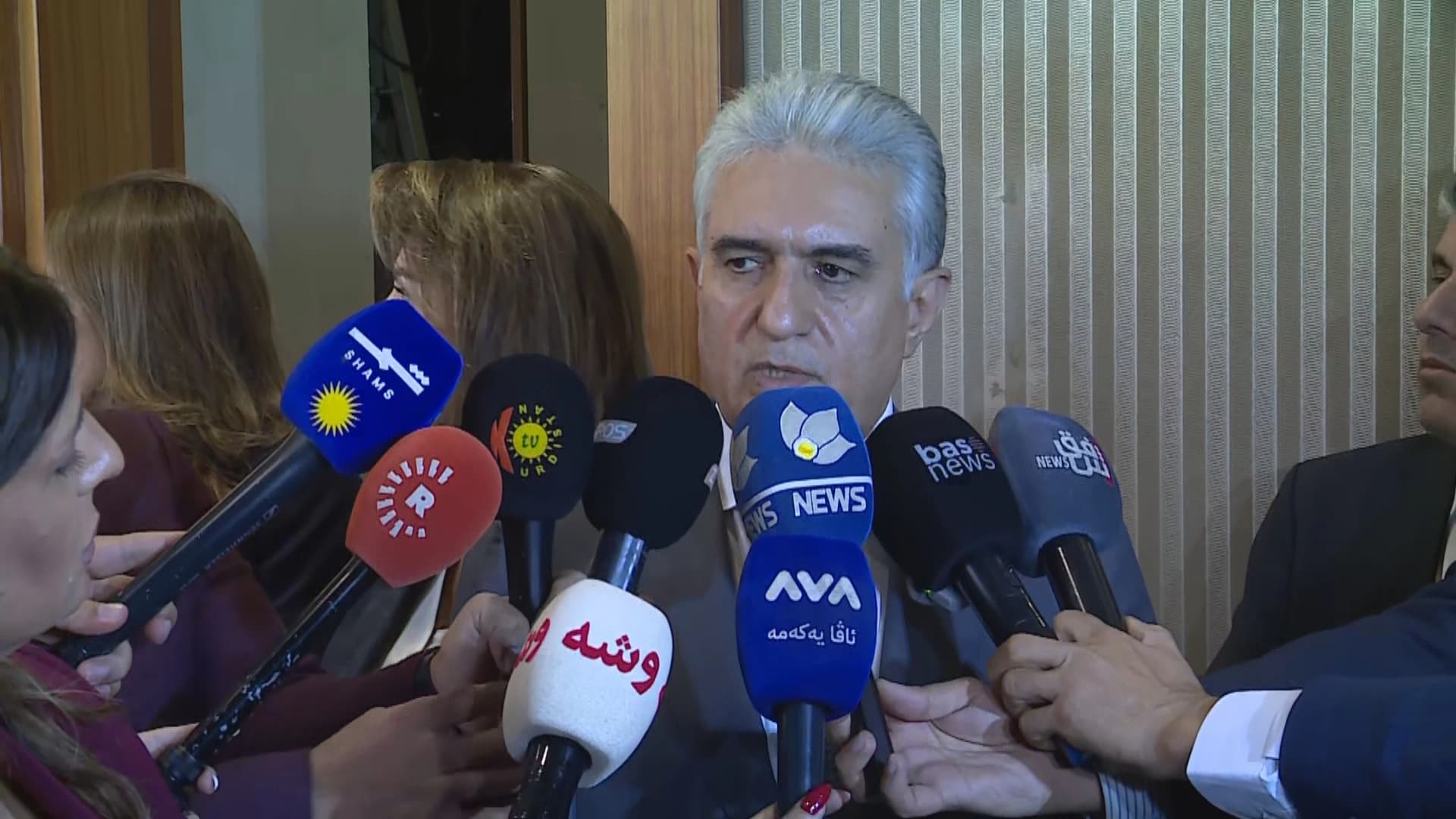
Restoring the quota seats is “an inherent right and a national entitlement for all components [minorities] in the Kurdistan Region,” Aydin Maruf, who is also a political bureau member in the Iraqi Turkmen Front, said in a statement shared by the state-run Iraqi News Agency (INA).
Maruf said his ministry held a consultative meeting in Erbil with official representatives and relevant stakeholders to address the issue.
The Kurdistan parliament allots five seats to Turkmen, five to Christians, and one to Armenians according to a 2009 law expanding minority representation, conferring a designated 10 seats in the100-seat legislature.
Calls for an 11-seat quota allocation come amid disputes over the formation of the Kurdistan Region cabinet - stalled since 2024 parliamentary elections - and against the backdrop of a political stand-off between the ruling Kurdistan Democratic Party (KDP), which maintains 39 seats in the parliament and exercises jurisdiction over Erbil and Duhok, and the Patriotic Union of Kurdistan (PUK) which has 23 seats and oversees administration in Sulaimani.
In 2024, the PUK submitted a lawsuit against the Kurdistan Region’s electoral law in the Federal Supreme Court, which ruled in its favor in April of that year and deemed the allocation of quota seats "unconstitutional."
The PUK claimed that its rival, the KDP, was leveraging its influence in the Erbil and Duhok provinces - where minorities have greater presence - to pull the minority lawmakers into its orbit in the parliament and therefore attain an absolute majority.
As a result of the KDP’s decision to boycott the 2024 parliamentary election and pushbacks from minorities’ political parties, the judicial board of Iraq’s Independent High Electoral Commission designated five out of the 100 parliament seats for minority populations dispersed across the Kurdistan Region’s three provinces: two seats in Erbil, two in Sulaimani (where the PUK has a de facto control), and one in Duhok.
Turkmen and Christian parties were each allotted two, with one seat reserved for Armenians in Duhok.
In May of that year, a coalition of six Christian parties accused the KDP and the PUK of “exploiting and seizing these seats and dragging them into political conflicts between them.”
PUK-aligned candidates secured the two seats allocated to the Sulaimani province in the October 2024 elections.
Winning minority candidates with external party affiliations often receive tens of thousands of votes from districts in which the community has very minimal to no presence in, as big parties often mobilize scores of loyalists to tip these candidates in their favor.