
ERBIL, Kurdistan Region - The abrupt suspension of subsidized oil byproducts to companies and factories in the Kurdistan Region is temporary and only concerns Baghdad-licensed entities, an Iraqi lawmaker said Monday, amid renewed tensions between Erbil and Baghdad over oil revenue control following a widening federal crackdown.
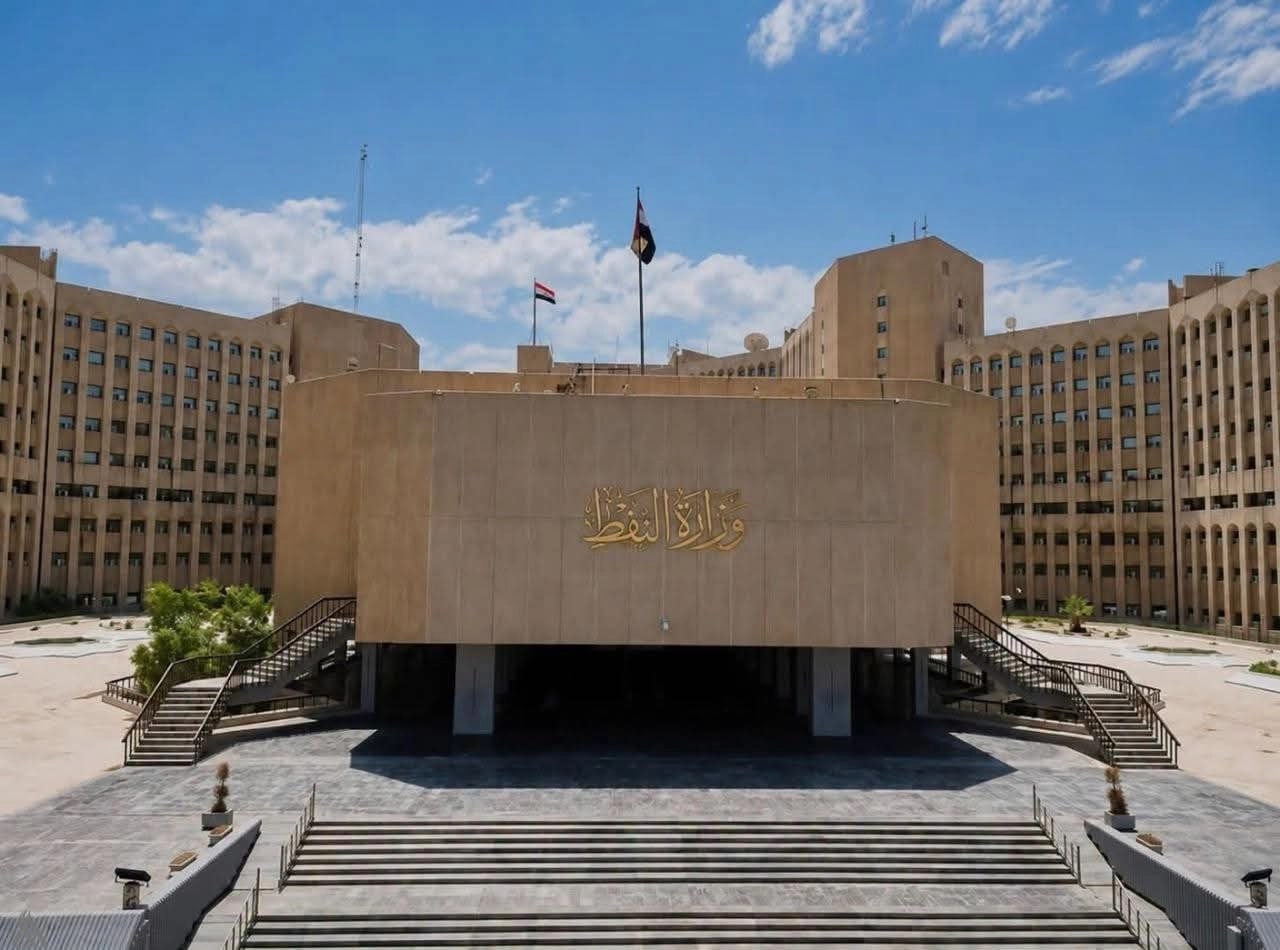
In a letter addressed to distribution boards, the Iraqi oil ministry on Monday decided to suspend the supply of “all quotas of oil products allocated to factories and companies located in the Kurdistan Region.”
The decision comes a day after Erbil on Sunday turned down proposals put forth by Baghdad reportedly requesting total control of the Region’s oil fields, in addition to proposing joint management of border crossings and imposing federal jurisdiction over the disputed territories, a senior Kurdistan Regional Government (KRG) source told Rudaw’s Sangar Abdulrahman on condition of anonymity.
Meanwhile, Omed Barwari, a lawmaker from the Iraqi parliament, told Rudaw’s Hastyar Qadir that the measure is temporary “until they conduct follow-ups and inspections of the factories and companies to which those oil products were sent.”
Barwari was quoting Hussein Majeed Salih al-Kharsan, first deputy to the state-owned Oil Products Distribution Company’s chief - who signed the oil ministry’s letter.
The lawmaker further stated that the suspension is on oil the products that “are residues from Iraqi refineries” that were supplied to business entities operating in the Kurdistan Region but licensed by the Iraqi government.
Oil management has long been among the most contentious issues between Erbil and Baghdad. Article 112 of the constitution provides for joint management of production from existing oilfields by the federal government and producing regional and provincial authorities, although the two sides have repeatedly disagreed over the scope of their respective powers.
The Iraqi government’s proposals to the KRG come amid reports of alleged oil smuggling in the country, triggering a broadening government investigation.
Two smuggling networks in Najaf and in the deserts between Dhi Qar and Basra were dismantled on Saturday and Sunday, respectively. State forces on Friday entered Jurf al-Sakhr, a town south of Baghdad, 12 years after it was under the de facto control of the Iran-aligned faction, Kata’ib Hezbollah.
A separate leaked intelligence report also alleged that oil was being smuggled from the Kurdistan Region to Iran and Turkey, prompting federal investigations into suspected smuggling networks extending into the Region.
Chairman of the Popular Mobilization Forces Falih Fayyadh visited Erbil and met Kurdistan Democratic Party (KDP) leader Masoud Barzani, Kurdistan Region President Nechirvan Barzani and Prime Minister Masrour Barzani on Saturday.
Media reports said Fayyadh conveyed a warning from the Iraqi government to extend the anti-oil smuggling operations to the Kurdistan Region and press Erbil to comply with Baghdad’s demands.
However, the KRG dismissed the claims as “false and fabricated.”
Fayyadh’s visit also coincided with lingering disputes between Erbil and Baghdad over the 2027 budget bill.
Baghdad is demanding that the Kurdistan Region hand over 445,000 barrels of oil daily, while Erbil says its current capacity stands between 250,000 to 280,000 barrels. Erbil is also seeking to increase its budget allocation from 12.7 percent to 14.14 percent, citing the 2024 population census.
Haidar al-Aboudi, the Iraqi government spokesperson, said "the federal government possesses indicators and reports showing higher oil production than the quantities” declared by the KRG.
But he pointed to “the continuation of dialogues to reach understandings on this matter.”
KRG Deputy Minister of Natural Resources Ahmed Mufti told Rudaw earlier this month that exporting 400,000 bpd would be difficult without ensuring regular payments to international oil companies and providing guarantees for further investment.
The two governments reached an agreement in 2025 to export the Region’s oil, but disputes over production volumes, oil company payments and revenue sharing continue to derail a lasting agreement between the two governments.