
ERBIL, Kurdistan Region - The Kurdistan Regional Government (KRG) on Wednesday rejected a federal decision setting its population share at 12.68 percent, which would directly correlate to the Region’s 2027 budget allocation, ordering legal action to enforce the official 2024 census outcome.
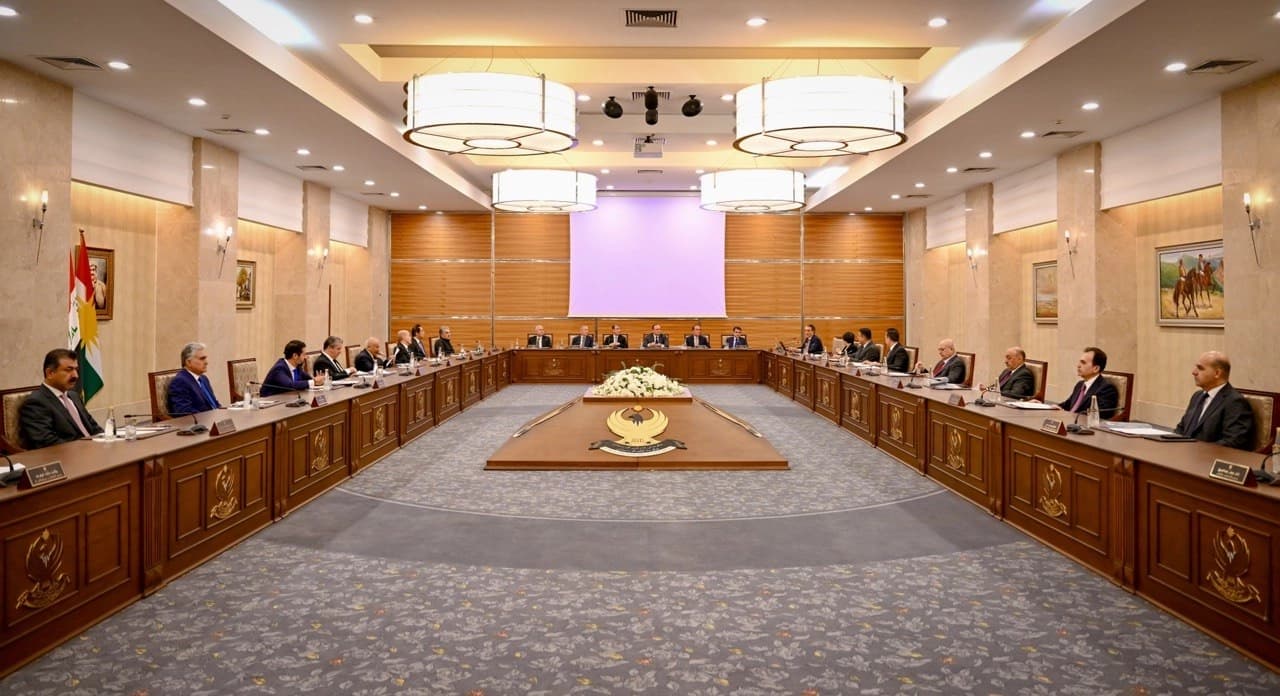
"The Council of Ministers rejects this figure, noting that the official, approved results of the General Population and Housing Census set the Kurdistan Region’s population proportion at 14.14%," the KRG cabinet stated following its weekly meeting.
The cabinet described establishing the accurate population ratio as a “fundamental issue” that determines the region’s financial and constitutional entitlements in the federal budget, public expenditure distribution, representation in elected federal councils and authorities, and Iraq’s diplomatic missions abroad.
This comes as Iraq relies on the 2022 federal budget allocation percentage, which the Kurdistan Region claims does not reflect the current population per the 2024 census.
The Iraqi census determined the country’s population at 46,118,793, excluding foreign residents, as relayed by state-run Iraqi News Agency (INA) while the Kurdistan Region population numbered 6,519,129, according to the Kurdistan Region Statistics Office - a 14.24 percent ratio according to 2024 figures.
Erbil has faced disputes with Baghdad over its share of federal budgets since 2014, when disagreements over the KRG’s independent oil exports to Turkey developed into a prolonged political and financial crisis.
The disputes have contributed to delayed and inconsistent salary payments for public sector employees in the Kurdistan Region, including missing payments for several months out of the year over the course of several years, as well as suspended promotions and deductions from pension savings.
Under previous federal budget arrangements, following Baghdad's three-year budget law passed in 2022, the KRG’s share was set at roughly 12.5 percent after sovereign expenditures, including defense and foreign affairs, were deducted.
In response to the lower federal metric, the KRG Council of Ministers instructed the Ministry of Planning, the Ministry of Justice, and the Cabinet Secretariat Wednesday to “coordinate and exhaust all constitutional, legal, and judicial measures to rectify this percentage and ensure adherence to the official, approved census results."
The cabinet's move follows the formalization of Erbil's demands for upcoming fiscal legislation, as the federal government works toward preparing the draft before the year's end.
A well-placed source at the regional finance ministry told Rudaw English earlier in September that a recent visit by a KRG delegation to Baghdad had set "the ground" for a month of "extensive discussions" on the budget bill.
"We are heading to a month of extensive discussions with Baghdad," the source said, adding that the negotiations would comprehensively address the KRG's financial needs and legal responsibilities.
Addressing federal plans to move from traditional line-item budgeting to program-and-performance-based budgeting (PBB), the source clarified that the initiative remains a pilot project in Diwaniya and Salahadin provinces and "has nothing to do with KRG’s budget share."