ERBIL, Kurdistan Region - Oil production in the Kurdistan Region has recovered to between 200,000 and 220,000 barrels per day after months of regional conflict, Erbil’s natural resources minister said Saturday, adding that an Iraqi parliament committee investigating fuel shortages and rising prices in the Region is expected to submit its recommendations “within a week.”
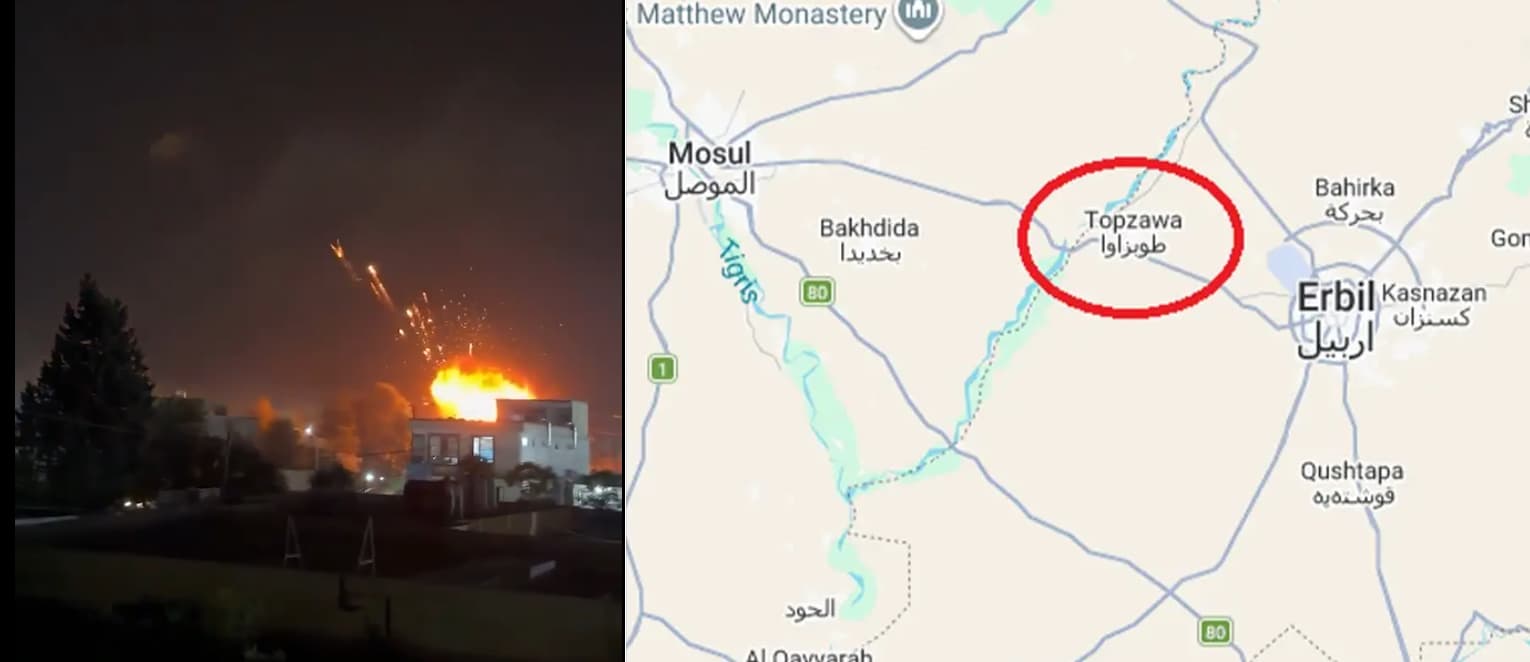
"Oil production in the Kurdistan Region has normalized, and all fields have resumed production, except for the Sarsang field... due to the terrorist act committed against it,” Kamal Mohammed, the Kurdistan Regional Government’s (KRG) Acting Minister of Natural Resources, told reporters.
The Region’s oil output has dramatically declined since February 28, when a regional conflict broke out after a joint US-Israel military campaign against Iran. Under a 2025 agreement with Baghdad, Erbil transfers its extracted crude oil to the State Organization for Marketing of Oil (SOMO).
About 90 percent of Iraq’s oil exports are shipped through the Strait of Hormuz, which has remained largely closed following six weeks of the US-Iran war and subsequent tit-for-tat strikes.
In addition to maritime restrictions, oil companies operating in the Region have scaled back production after coming under attack from Iran-backed armed groups in Iraq or as a precautionary measure to limit potential damage. By mid-August, the Region had been targeted by around 1,000 projectiles.
Several international firms, including Dana Gas, Gulf Keystone Petroleum (GKP), Pearl Petroleum and HKN, shut down operations and suspended production for extended periods following drone and missile attacks.
The GKP-operated Sheikhan and HKN-operated Sarsang and Atrush oil fields in Duhok province are among those that have recently increased production after each experiencing a more than 50 percent decline in output in recent months due to the hostilities.
Earlier in August, the KRG Interior Minister Rebar Ahmed said, “If there are guarantees” from Baghdad to prevent the strikes, “the companies will resume their work.”
Soaring gasoline prices in the Region
A severe gasoline crisis has gripped the Kurdistan Region since mid-July, causing widespread shortages and nearly doubling prices on the market. Three successive KRG measures – capping prices, mandating the use of fuel cards, and increasing the allocation of subsidized gasoline – have failed to curb soaring prices or ease the long queues at filling stations.
The KRG reserves 50,000 barrels per day (bpd) of the crude oil it produces and transfers the rest to SOMO.
"We have previously stated that 50,000 barrels of oil per day is insufficient for our gasoline needs, and we have consistently requested 115,000 barrels,” the natural resources minister said.
“The federal government decided to grant only 50,000 barrels to the Kurdistan Region, but the same decision noted that if 50,000 barrels proved insufficient, an additional 15,000 barrels of petroleum products would be added,” he noted.
Another option under consideration is for the KRG to hand over the 50,000 bpd it currently retains for domestic consumption to Baghdad. Erbil, however, has expressed reservations about the proposal, citing the federal rights and privileges granted to the Kurdistan Region under Iraq’s Constitution.
Prices at private commercial stations in Erbil and Duhok have reached unprecedented levels of 2,150–2,750 Iraqi dinars ($1.41–$1.80) per liter for Premium gasoline, 1,950–2,300 dinars ($1.28–$1.51) for Improved, and 1,575 dinars ($1.03) for Regular. Subsidized gasoline remains capped at 750 dinars ($0.49) per liter at government-run stations, leading to massive queues. Prices in Sulaimani and Halabja provinces have remained slightly lower.
However, a liter of subsidized regular-grade gasoline is sold at 450 dinars ($0.3) in the Iraqi provinces.
Commenting on the disparity in prices, Mohammed said “the difference is that the Iraqi Ministry of Oil pays refineries $4 per barrel, whereas in the Kurdistan Region it is $16. We also support setting the price at 450 dinars per liter, provided the Kurdistan Region is treated the same, paying refineries $4 per barrel."
Accordingly, the Iraqi parliament formed a committee on August 8 to investigate fuel shortages and rising prices in the Kurdistan Region.
“The committee summoned the [Iraq] Ministry of Oil on August 26 and invited our ministry on August 27, where we handed over all data, hoping the committee's recommendations will be submitted to parliament for a proper decision,” the KRG minister noted.
According to Mohammed, the committee will submit its report to the Iraqi parliament on the Kurdistan Region's oil ratio within a week, which will then be passed back to the Ministry of Oil and the Iraqi Cabinet for a final decision.