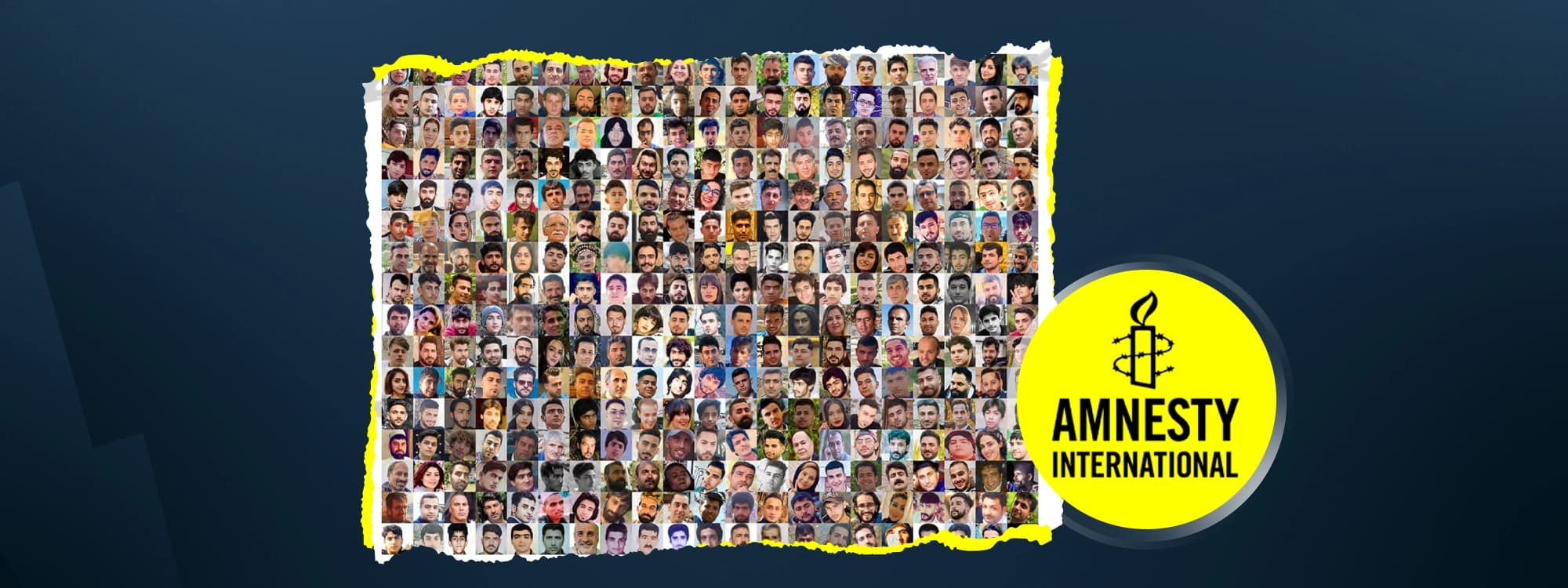

ERBIL, Kurdistan Region - The killing of 377 protesters and bystanders, including 56 children, at the hands of Iranian authorities during the 2022 Women, Life, Freedom - Jin, Jiyan, Azadi - movement constitutes crimes against humanity, Amnesty International said Wednesday, in a report published on the anniversary of Zhina (Mahsa) Amini's death, which triggered the protests. The report further identified just under 90 Iranian officials implicated in the killings.
The report, titled Architects of Atrocities: State Machinery Orchestrating Crimes Against Humanity in Iran's 2022 Woman Life Freedom Uprising, accused the Iranian government of “murder, torture, enforced disappearance, imprisonment, rape and persecution on political, gender, ethnic and religious grounds” to suppress the uprising.
Citing “extensive evidence” gathered in their investigations, Amnesty International’s Chief Agnes Callamard stated that their report “leaves no doubt” that Iranian authorities “committed crimes against humanity” to crush the protests.
“They waged a widespread and systematic attack against a civilian population demanding dignity, human rights and fundamental political change, pursuant to a state policy of using lethal force to obliterate dissent,” Callamard noted.
The release of the report notably coincided with the fourth anniversary of the death of Amini - a 22-year-old Kurdish woman from Iran's Kurdish-majority western regions (Rojhelat) who died in a Tehran hospital on September 16, 2022, three days after morality police detained her for allegedly violating the country's mandatory hijab laws.
Amini’s death ignited the Jin, Jiyan, Azadi movement, the largest nationwide protests Iran had seen in decades.
Oslo-based Iran Human Rights in September 2023 reported that 551 protesters were killed during the uprising, including 68 children and 49 women. At least 22 additional protesters died in what the watchdog then described as suspicious suicides.
Amnesty on Wednesday said that crimes against humanity in Iran are sustained by “an architecture of impunity” across the country's political and legal institutions.
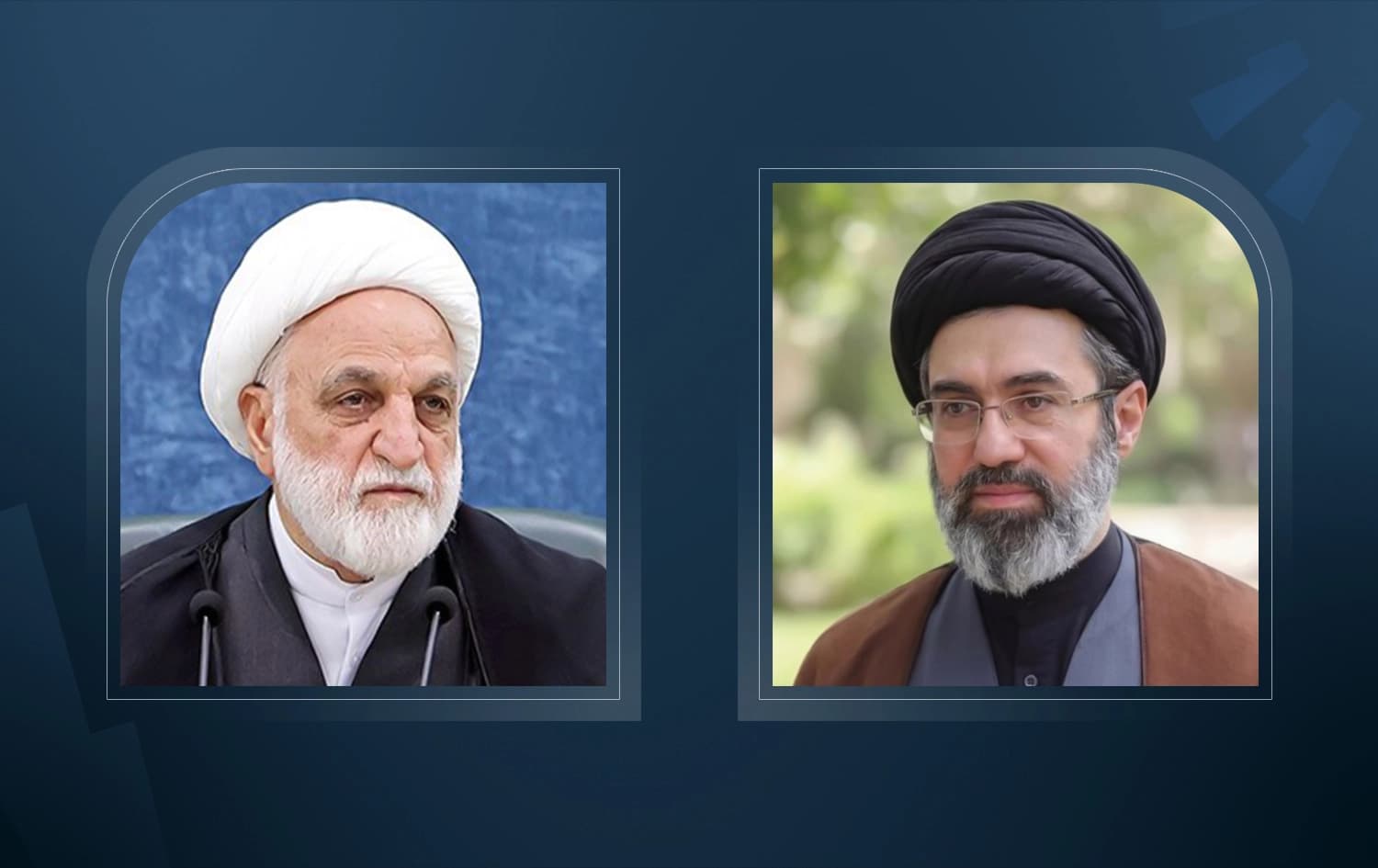
The international watchdog further identified 87 Iranian officials responsible for the 2022 killings, including Iran's late supreme leader Ali Khamenei (1939 - 2026) and the former chief of Iranian armed forces, Mohammed Bagheri. The two were killed in the joint aerial campaign launched by the US and Israel on February 28, striking thousands of targets across Iran.
“As part of its efforts to secure justice and address the crisis of impunity in Iran, which has fuelled recurring atrocities,” Amnesty called on the United Nations Security Council to refer “the situation in Iran” to the International Criminal Court's Office of the Prosecutor.
It further “urged the UN General Assembly to create an international criminal justice mechanism aimed at prosecuting those most implicated in crimes against humanity in Iran.”
Of note, this year's commemorations of Amini's death anniversary in Iran coincide with a notable deployment of Iranian security forces in Rojhelat, following calls from Kurdish dissident groups for a general strike in the region.
RELATED: Iran tightens security in Kurdish regions ahead of Zhina Amini anniversary