
ERBIL, Kurdistan Region - Iran’s Supreme Leader Mojtaba Khamenei on Saturday called for tougher measures to combat crime and corruption, as local and international human rights organizations warn of a sharp rise in executions across the country.
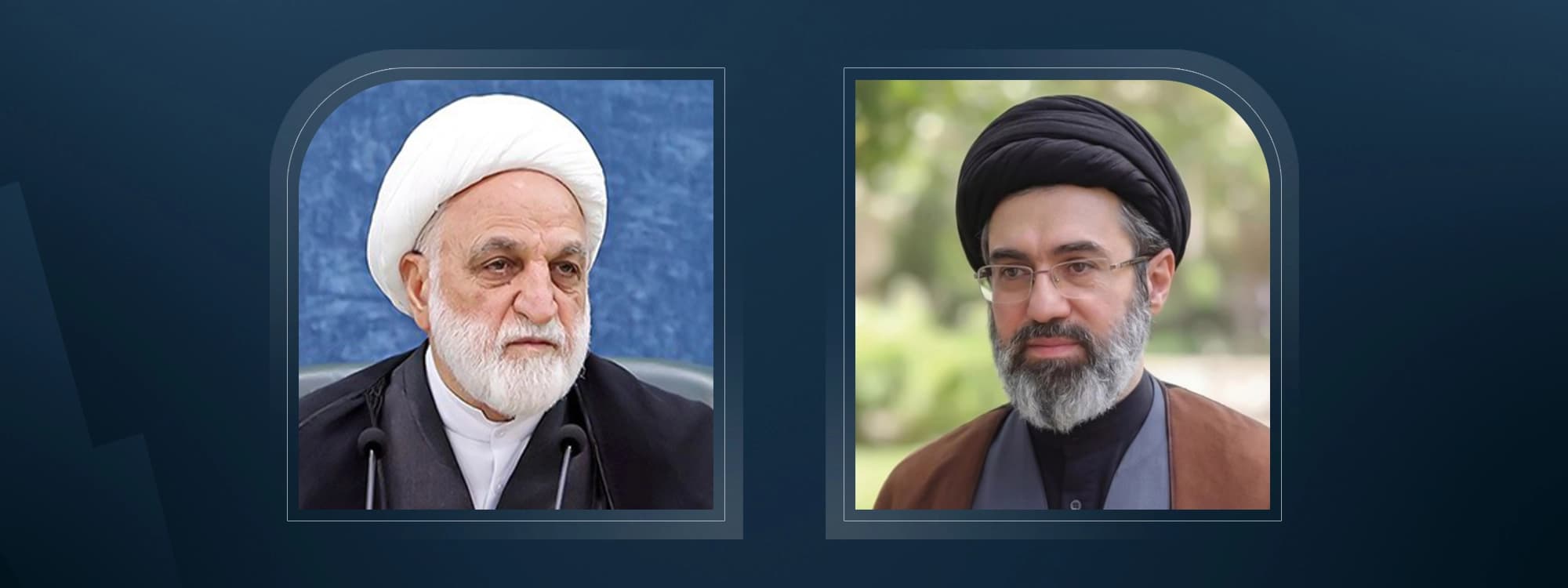
Iran’s judiciary-affiliated Mizan news agency reported on Saturday that judiciary chief Gholamhossein Mohseni Ejei had met with Khamenei, who has not been seen in public since his father, Ali Khamenei, was killed on February 28, the first day of US and Israeli airstrikes on Iran.
During the meeting, Khamenei emphasized the need for “effectively combating corruption and its underlying factors, handling cases swiftly, accurately and decisively.”
The discussions also focused on “tougher crime prevention efforts, and compensation for damages Iran attributes to the United States and Israel.”
Iran executed at least 2,003 people between October 10, 2025, and October 8, 2026, an increase of at least 30 percent compared with the previous reporting period, according to an annual report by the US-based Human Rights Activists News Agency (HRANA).
The surge has raised concerns among human rights groups that executions could increase further amid the possibility of renewed escalation in the conflict involving Iran, Israel and the US.
The Saturday meeting comes amid mounting international criticism of Iran’s use of the death penalty.
On October 9, United Nations human rights experts called on Tehran to immediately halt all executions, warning that Iran remains among a shrinking number of countries that retain capital punishment and has one of the world's highest execution rates relative to its population.
“Iran has seen too much death: lives lost to war and lives taken by their own State,” the experts said.
“The cases brought to our attention are so riddled with procedural unfairness and underlying gross human rights violations, including torture, sexual violence and denial of access to lawyers of their choosing, especially at the investigation stage, that this alone should rule out execution,” they added.
Ejei was first appointed judiciary chief by then-Supreme Leader Ali Khamenei in July 2021.
During the 2022 “Woman, Life, Freedom” protests, Iranian security forces killed hundreds of demonstrators and arrested thousands more. Several people were subsequently executed in connection with the unrest.
A renewed wave of nationwide protests in January was met with a deadly crackdown that left thousands dead, according to human rights organizations. Authorities also pursued death sentences against detainees on charges including “corruption on earth,” “waging war against God” and espionage for the US and Israel.
According to HRANA’s latest annual report, approximately 95 percent of executions during the reporting period were not publicly announced by Iranian authorities but were independently documented by the organization.
The report identified 35 people executed in protest-related cases, while 29 were put to death on charges of moharebeh, or “waging war against God.”