
ERBIL, Kurdistan Region - Iranian security forces have arrested at least four Kurdish business owners from the country's Kurdish-majority western regions (Rojhelat), a prominent human rights monitor reported Tuesday, in an apparent bid to head off a planned general strike called by Kurdish opposition groups marking the fourth anniversary of Zhina (Mahsa) Amini's death.
“Government forces raided homes in Shino (Oshinavieh) [West Azerbaijan province] without warning and used force to arrest several young people,” Norway-based Hengaw Organization for Human Rights said.
The watchdog identified three of those arrested - Soran Bayazidi, Rahim Arshadi, and Reza Dian - as “shopkeepers and market traders,” along with “Fakhraddin Ebrahimi, a former political prisoner and son of Mohyeddin Ebrahimi, a Kurdish political prisoner who was previously executed.”
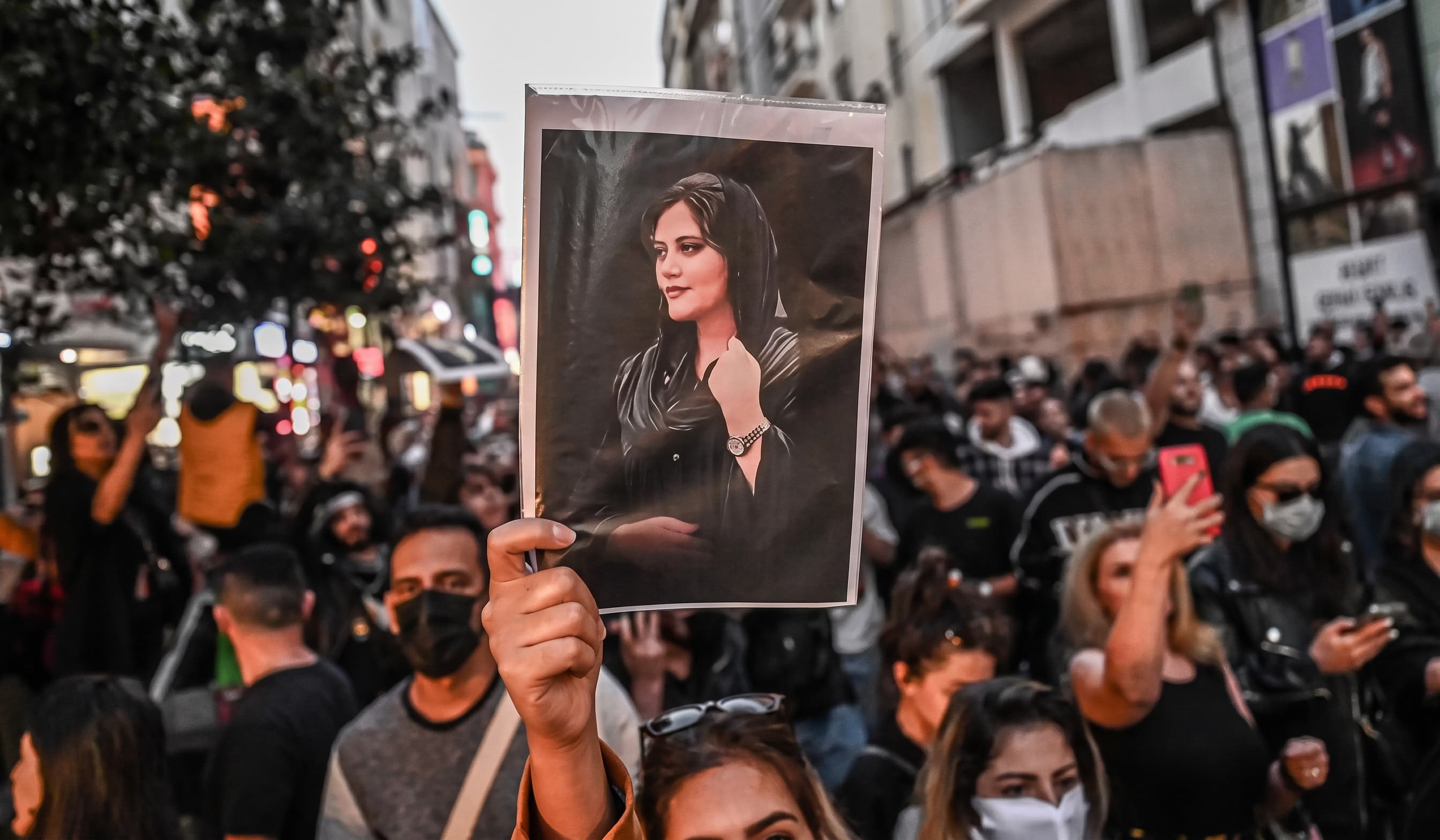
The arrests come after an alliance of six major Kurdish opposition parties on Sunday called for a general strike across Rojhelat on Wednesday to mark the fourth anniversary of the death of Amini - a 22-year-old Kurdish woman from Iran's Kurdistan province who died in a Tehran hospital on September 16, 2022, three days after morality police detained her for allegedly violating the country's mandatory hijab laws.
Amini’s death ignited the largest nationwide protests Iran had seen in decades, known as the Jin, Jiyan, Azadi - or Woman, Life, Freedom - movement.
In a statement, the Coalition of Political Forces of Iranian Kurdistan on Sunday urged the Kurdish community “to carry out a nationwide and general strike on September 16, on the fourth anniversary of the crime of killing Zhina Amini, in opposition to the continued policies of the Islamic Republic.”
The Coalition framed the strike as a way of honoring “all those killed and the values of the Jina - Jin, Jiyan Azadi revolution," as well as a “civil action and a mass response to the security and economic crises.”
The arrests also come after Iran's police chief, Ahmed Reza Radan, warned that security forces would show “no leniency” toward anyone who challenges the state in public spaces.
“We are in wartime conditions, and if anyone, at the invitation of the enemy, tries to create insecurity inside the country, we will deal with them. We will show no leniency in this regard,” Radan said in a televised interview with state media on Sunday.
Oslo-based Iran Human Rights in September 2023 reported that 551 protesters were killed during the Jin, Jiyan, Azadi uprising, including 68 children and 49 women. At least 22 additional protesters, including four children and eight women, died in what the watchdog described as suspicious suicides.
Importantly, the September 2022 protests were followed by at least two further waves of unrest in late 2025 and early 2026, sparked by the collapse of Iran's currency and a deepening economic crisis.
During the January 2026 protests alone, Iran Human Rights documented at least 3,428 deaths and thousands of injuries over eighteen days of nationwide anti-government demonstrations.