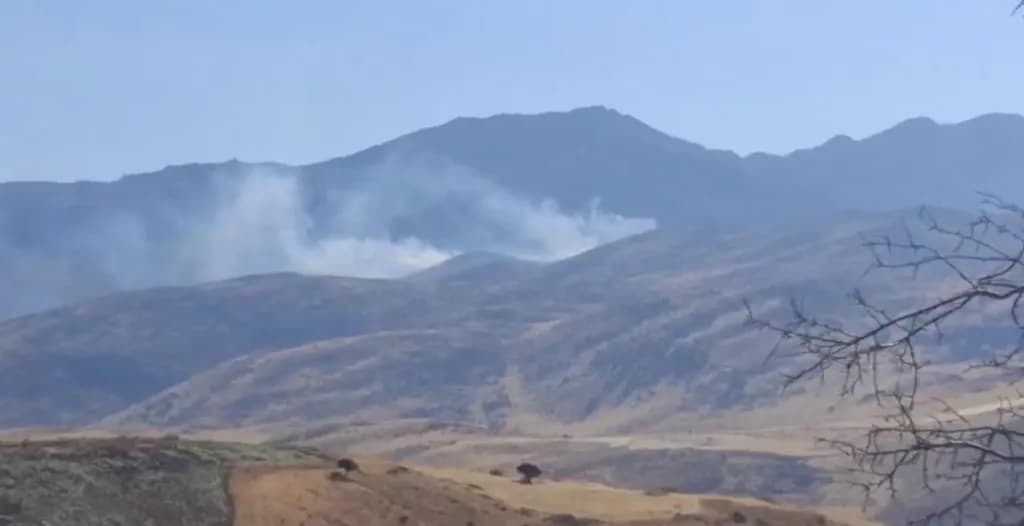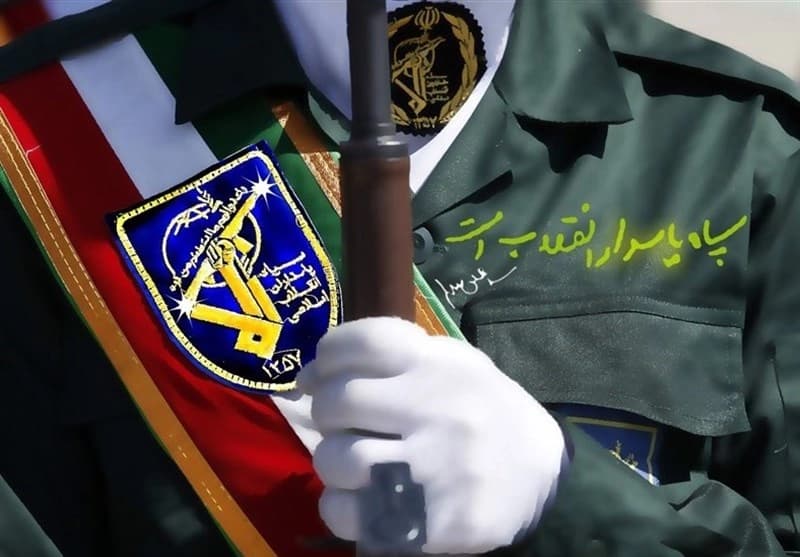

ERBIL, Kurdistan Region - Iran’s Islamic Revolutionary Guard Corps (IRGC) said on Saturday that its forces killed two members of a “terrorist cell” in the southeastern province of Sistan and Baluchestan who were allegedly planning attacks in coordination with the United States and Israel.
The IRGC Ground Forces’ Quds Headquarters said the group was identified through intelligence surveillance and targeted in a joint operation involving the provincial intelligence ministry, IRGC intelligence and police.
The cell had planned attacks on pre-selected targets in the province, the IRGC claimed, adding that the group was linked to the United States and Israel and intended to carry out the attacks alongside the ongoing US war against Iran. It provided no evidence to support the allegations.
Sistan and Baluchestan, which borders Pakistan and Afghanistan, is one of Iran’s poorest provinces and has long been a flashpoint for clashes between security forces and Baluchi armed groups.
Several Baluchi groups operate in the region and have fought the IRGC and other Iranian security forces, saying they seek greater rights for the country’s marginalized Baluchi minority. Several of the groups formed a coalition in December known as the Popular Fighters Front to coordinate their activities against Tehran.
In a clash last week between members of Jaish al-Adl, a Baluchi militant group that is part of the coalition, and the IRGC in Saravan, one member of the group was killed and six others were detained, according to an IRGC statement carried by the Tasnim news agency.
Baluchi militant groups have claimed responsibility for a series of attacks and assassinations targeting intelligence and police officials in recent months, prompting intensified operations by the IRGC and other security forces in the province.
Iranian authorities regularly accuse Baluchi and Kurdish opposition groups of receiving support from foreign powers, particularly the United States and Israel. The groups and their supporters have in turn accused Tehran of using such allegations to delegitimize demands for greater political and cultural rights.