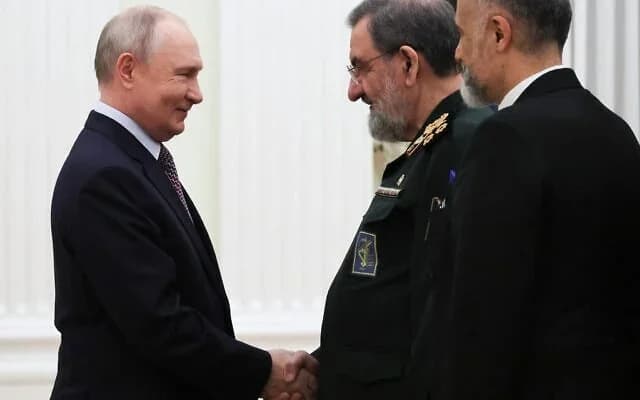

ERBIL, Kurdistan Region – An unnamed senior Iranian political-security source on Friday denied that Mohsen Rezaei presented a new political initiative to Russian President Vladimir Putin during their meeting in Moscow, Iranian media reported. The source said Tehran sees no purpose in taking diplomatic steps until all seven of Iran’s conditions are “fully and simultaneously implemented.”
The unnamed “high ranking Iranian security source” described reports “about Rezaei presenting a new political initiative” as “completely fabricated” and said ending the war was the “main focus” of the Moscow discussions, Islamic Revolutionary Guard Corps (IRGC)-affiliated Tasnim news agency reported, citing Beirut-based Al Mayadeen, which did not identify the source.
“Until the Americans fulfill our seven conditions, neither the Strait of Hormuz will be opened nor will there be any negotiations, and that the diplomacy that is taking place now is solely aimed at getting the Americans to pay our dues,” Mohsen Rezaei, the secretary of the Supreme National Security Council - Iran’s top security body - conveyed to Putin, state-run IRNA reported late Thursday, noting his inherent resolve in acquiring “the Americans’ compliance with our seven conditions” as a precursor to an agreement.
The meeting with Moscow comes amid ongoing diplomatic contacts through regional mediators. Foreign Minister Abbas Araghchi said this week during consultations with Qatari mediators that “no arrangements have been made for negotiations with the US” during the Iranian delegation’s visit to Qatar, Tasnim reported earlier this week.
The US midterm result has added a political complication for President Donald Trump as he weighs his next move on Iran. The New York Times reported that Republican losses in the House and Senate in Tuesday’s midterm elections "intersects with one of the most consequential decisions of his presidency” and have exposed his unpopularity with Americans.
Trump on Wednesday admitted that while the major Democratic win in the midterm elections was largely due to the US-Israeli war with Iran, his past and future policy against Tehran would be the same and that the political and economic costs were “worth it” to curb Iran’s nuclear proliferation.
Iran’s supreme leader Mojtaba Khamenei on Wednesday dismissed hopes that the outcome of the US midterm elections could shift Washington's policy toward Tehran. Those who believe concessions could persuade the United States to abandon its hostility toward the Iranian people are "seriously mistaken," he said.
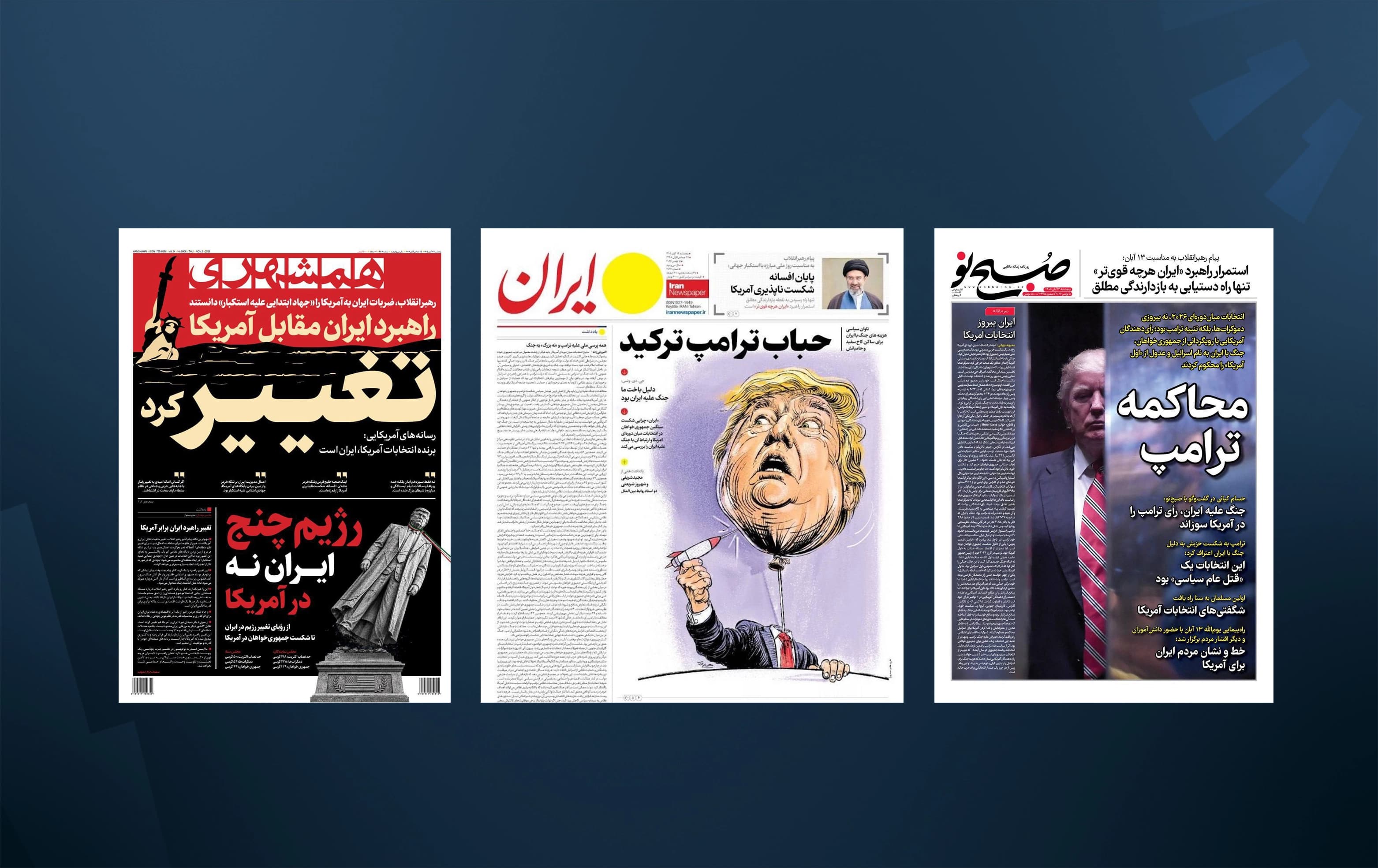
Nevertheless, Iranian officials on Wednesday portrayed the Republican defeat as evidence that Tehran's military and economic pressure on Washington was paying off. Iran’s government-owned newspaper “Iran” featured a caricature of US President Donald Trump on its front page, depicting his head as a balloon being pierced by a missile-shaped pin.
The proposals have focused on reopening the Strait of Hormuz, a waterway that carried about one-fifth of global oil consumption before the war. In an earlier seven-day plan, Araghchi said the strait could reopen on the sixth day if Washington met Iran’s conditions, with negotiations beginning on the seventh.
Tehran has also named conditions including an end to the US naval blockade, the release of frozen Iranian assets and a ceasefire across the region.
Iran in the past month has been in meetings with officials at the Kremlin. Russian foreign minister Sergey Lavrov in October conveyed Moscow’s readiness to assist Iran and stated that technical staff and "specialists are gradually returning to the Bushehr nuclear power plant” following a meeting with his Iranian counterpart Abbas Araghchi.