
ERBIL, Kurdistan Region – Iranian military and security forces shot dead two Baluch men in southeastern Iran and detained at least six relatives at a hospital, a Baloch monitor reported late Thursday, amid persistent violence and longstanding grievances over discrimination in Sistan and Baluchestan province.
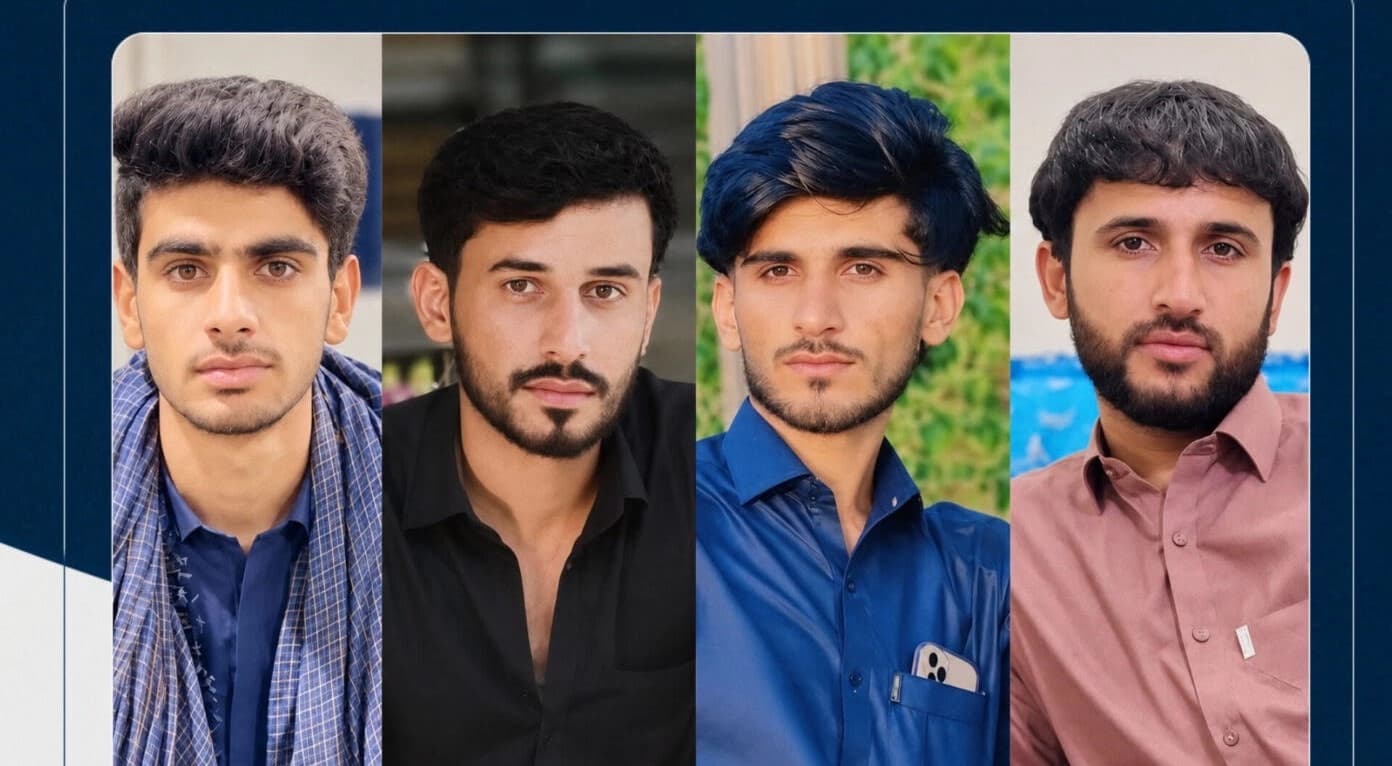
Baloch rights watchdog Haalvsh identified the men as Farhad Azizi, 29, and Qayum Raeisi, both from Qasr-e Qand County.
“Military and security forces opened fire on the Pride car,” killing Azizi and injuring Raisi, who was “taken to Khatam al-Anbia Hospital in Iranshahr, where he died a few hours later due to the severity of his injuries.”
“After the two Baluch citizens were transferred to the hospital, Farhad Azizi’s father, along with several other close relatives, went from Qasr Qand County to Iranshahr and visited the hospital to follow up on their condition,” sources told the monitor, adding that “during this visit, at least six relatives of the two killed citizens were arrested by plainclothes intelligence officers and taken to an unknown location.”
The incident comes amid a successive wave of confrontations between Iranian forces and members of Iran’s Baloch minority in the restive southern province.
Sistan and Baluchestan, bordering Pakistan and Afghanistan, is among Iran’s poorest provinces. Its predominantly Sunni Baluch population has longstanding grievances over discrimination and economic hardship. The region has also seen repeated attacks on security personnel and operations against armed groups.
The watchdog identified those detained as Ehsan Azizi, Danial Azizi, Jamal Raeisi, Azam Balideh, Javad Balideh, and Sajjad Raeisi – Qayum Raeisi’s nephew.
The report did not establish why forces opened fire or on what grounds the relatives were detained.
The incidents follow a series of deadly attacks in recent weeks, including the killing of a police officer on Tuesday, following a large number of attacks the past month, amid rising tensions with Washington as reports emerge of another wave of potential strikes.
According to a tally by US-based Human Rights Activists News Agency (HRANA), at least 63 armed clashes occurred in that province from the end of March of this year until October 10, leaving at least 94 dead and 33 injured – a figure that is “more than the number of incidents in any of the previous full months.”
The monitor noted that “the method of violence has expanded from targeted shootings and attacks on patrol vehicles, to ambushes against convoys, booby traps, mines, RPGs, and the use of heavier equipment."
Rights groups rely on field sources where government media often fails to record incidents. Haalvsh has in the past estimated that casualty tolls are likely much higher based on “field information” and has regularly cited a discrepancy between the government media narrative and its sources on the ground.
The incidents have prompted backlash from international rights organizations as well as the United Nations.
UN Special Rapporteur Mai Sato warned in October of the effects of economic marginalization and land confiscation on "deepened poverty in many minority regions," highlighting the denial of identity cards on “limiting access to education, healthcare and formal employment” for Baloch minorities.
In a general assembly meeting at the UN in late October, Sato raised further alarm, stating that the UN is “deeply concerned that Iran's ethnic and religious minorities, particularly Baloch” who “continue to face significant repression and scapegoating.”