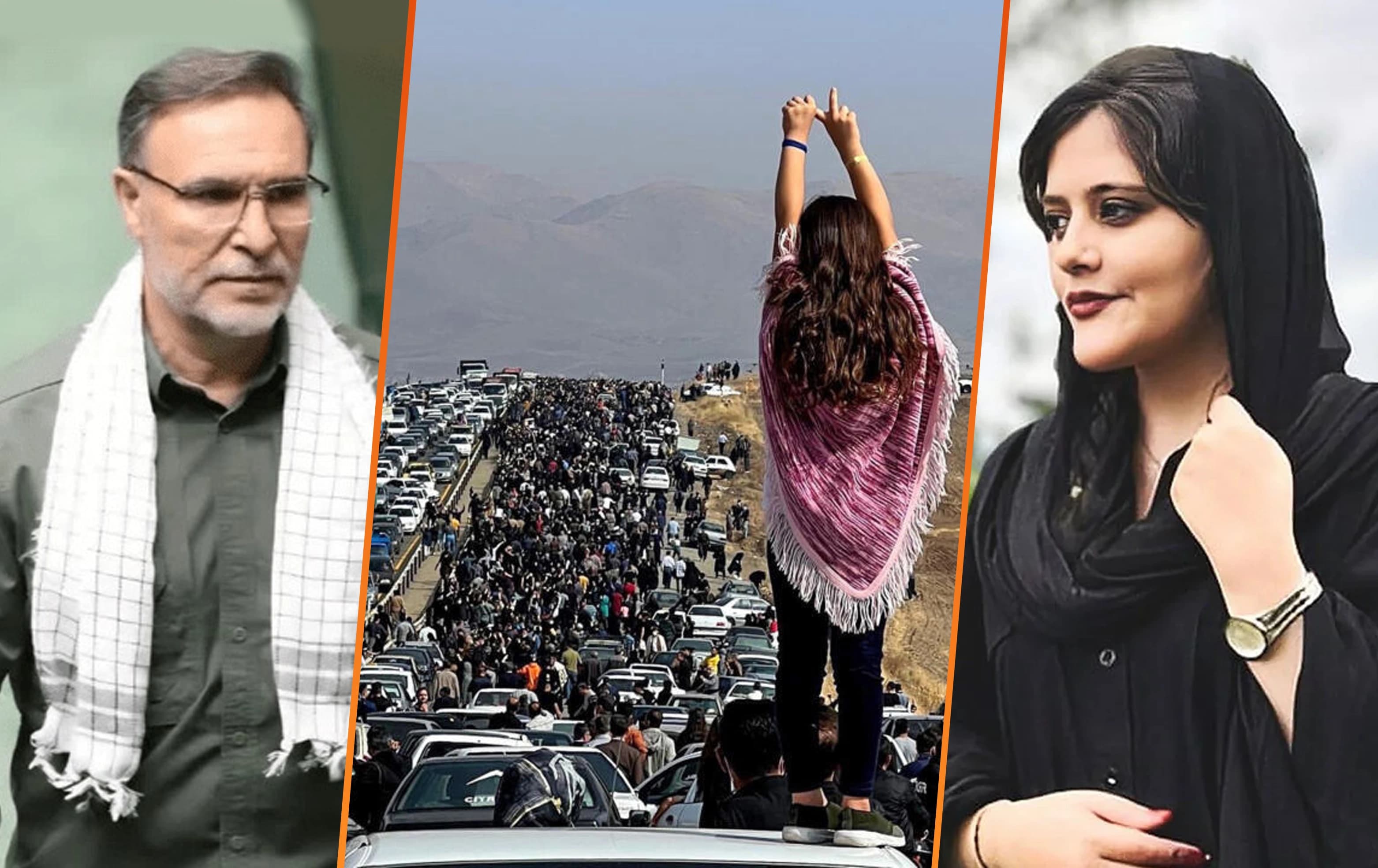

ERBIL, Kurdistan Region - An Iranian lawmaker has apologized for making derogatory remarks about Zhina (Mahsa) Amini, the young Kurdish woman whose death in the custody of Tehran’s morality police triggered nationwide anti-government protests in 2022, following a fierce backlash from her family and the public.
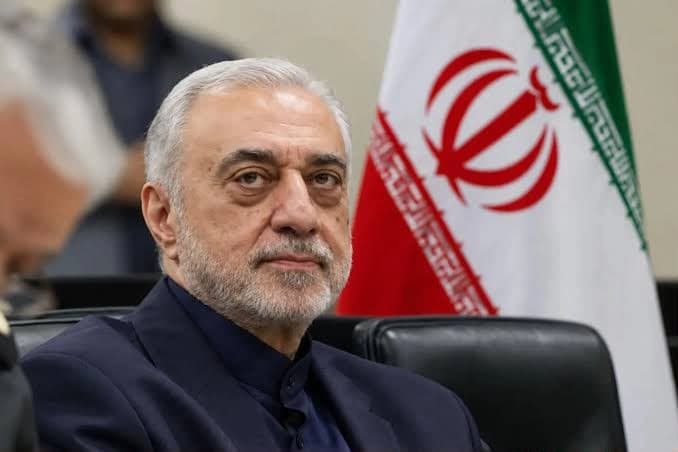
“In a recent debate I had on television, while criticizing the remarks and performance of the current representative and the president, I unconsciously used inappropriate language about the late Mahsa Amini,” Ahmad Ariyaeni Nejad, a parliamentarian representing Malayer in Hamadan province, said in a video circulated by Iranian media.
“I apologize to her respected family and sympathetic critics. Please accept my apology,” he added.
The controversy comes just weeks before the fourth anniversary of Amini’s death on September 16, 2022.
Amini, a 22-year-old Kurdish woman from Saqqez, was detained by Iran’s morality police in Tehran for allegedly violating the country’s mandatory hijab rules. She fell into a coma while in custody and died three days later. A United Nations fact-finding mission later concluded that her death was unlawful and resulted from physical violence while in the custody of Iranian authorities.
Her death ignited the Woman, Life, Freedom uprising, which began in Kurdish areas before rapidly spreading across Iran and developing into one of the most serious challenges to the Islamic Republic in decades. Security forces, including the Islamic Revolutionary Guard Corps (IRGC) and other security agencies, responded with lethal force. Rights groups documented the deaths of more than 500 people during the crackdown, including dozens of children.
Ariyaeni Nejad’s remarks prompted angry responses from Amini’s parents on social media.
“I was told that Ahmad Ariyaeni Nejad… has insulted our daughter, our family and all the people of Kurdistan and Iran,” her father, Amjad Amini, wrote on Instagram.
“It is astonishing that at a time when the people of this country are facing poverty because of decisions made by representatives like this, and thousands of daughters and sons like Zhina are suffering, he once again targets my daughter, saying ‘go to hell’,” he added.
Amini’s mother, Mozhgan Eftekhari, described her daughter as “an angel whose birth brought beauty, blessing and light,” saying the lawmaker’s remarks “do nothing to diminish the value and standing of our beloved daughter.”
“He has insulted our daughter, our family and all the people of Kurdistan and Iran,” she added, referring to the Kurdish region in western Iran (Rojhelat).
Iranian authorities have repeatedly placed restrictions on Amini’s family around the anniversary of her death amid fears that commemorations could reignite protests. Ahead of the first anniversary in 2023, security forces briefly detained her father and warned him against holding a memorial ceremony, while the family was prevented from holding a planned vigil at her grave in Saqqez.
Authorities also deployed large numbers of security forces in Kurdish cities and detained or summoned activists, journalists, lawyers and relatives of people killed during the protests ahead of the anniversary.
The latest controversy also comes at a politically sensitive time for Tehran. Economic grievances have repeatedly fueled unrest in Iran, including a new wave of nationwide protests that erupted in late 2025 and developed into another major challenge to the Islamic Republic.
Ariyaeni Nejad is not the first prominent Iranian figure to face repercussions for insulting Amini.
In August 2024, Ali Entezari, then head of the Faculty of Social Sciences at Tehran’s Allameh Tabataba’i University, was removed from his position after making disparaging remarks about Amini during a state television program.
Entezari referred to her in derogatory terms as a Kurdish Sunni girl who had died, prompting widespread criticism and an angry response from Amini’s family. Her mother accused him of insulting not only her daughter but human dignity and the rights of Iranian citizens. Entezari was subsequently dismissed from his position.
Nearly four years after her death, Amini remains one of the most potent symbols of opposition to the Islamic Republic, while her name and the Kurdish slogan “Woman, Life, Freedom” continue to carry political significance far beyond her hometown of Saqqez.