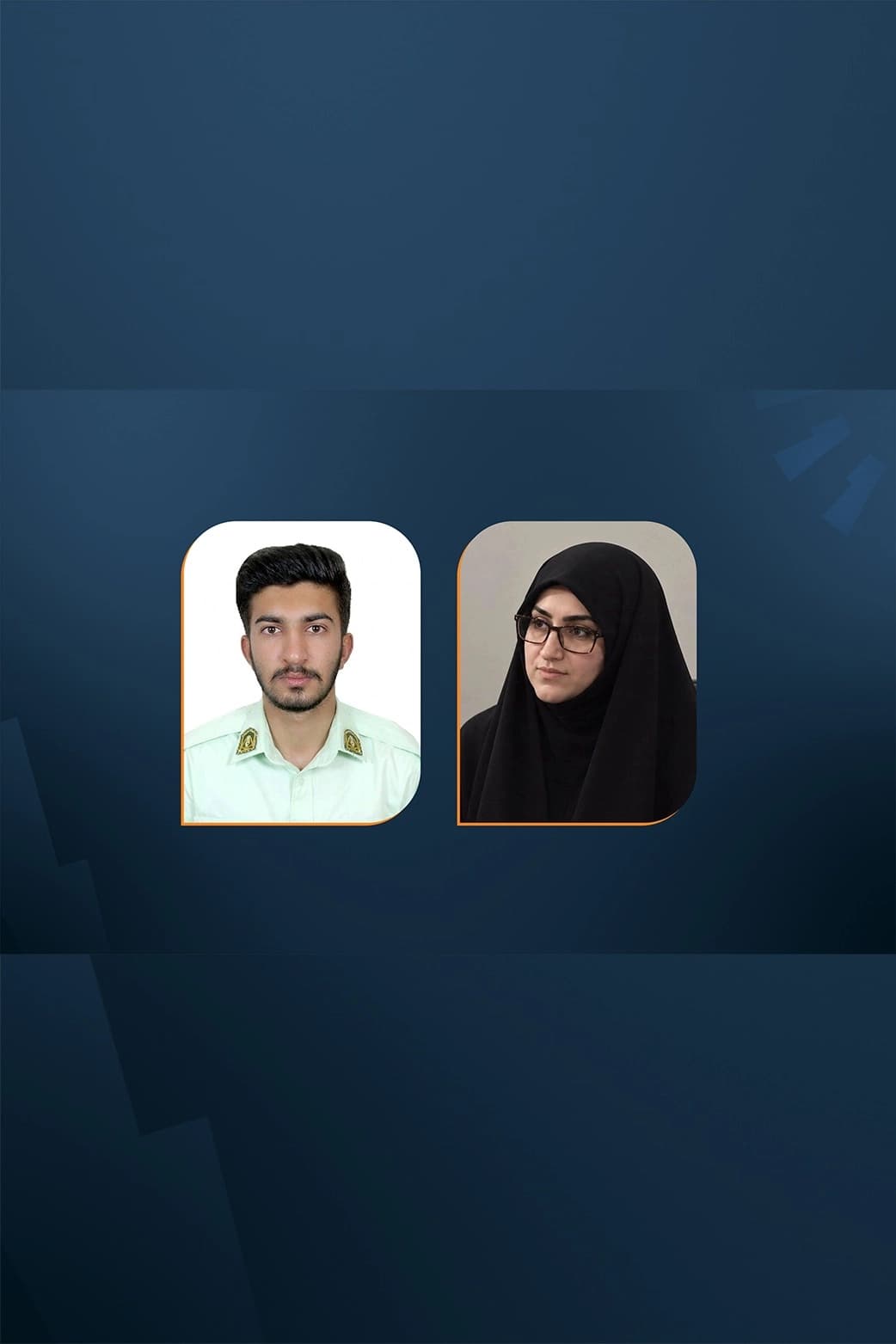
BANEH, Iran - After a four-year love story that culminated in a wedding, Saadoullah Younisi, and Gaziza Younisi’s matrimony was cut short when Iranian border guards opened fire on the kolbar husband who left behind a young bride that spent sleepless nights envisioning the rest of her life with the man of her dreams.
Twenty-five-year-old Saadoullah, a kolbar, was shot dead by Iranian border guards in the city of Baneh in Iran’s western Kurdish region (Rojhelat) on June 22. He was accompanied by his brother Ali, who was wounded in the shooting.
Saadoullah’s death left behind a devastated 21-year-old bride and a grieving mother, who had raised the kolbar and his two brothers alone since the passing of their father more than a decade ago.
“We got married three months ago. Saadoullah loved me very much and always used to say ‘my dream is to make all your desires come true’,” fighting back the tears, an emotional Gaziza told Rudaw English on Tuesday, “His plan was to raise some money from working as a kolbar so that we can go live in the city and build a house of our own.”

The young lady is yet not ready to say goodbye and accept that her husband is gone.
“I still do not believe my husband is dead. I still call his phone every day. How could they kill Saadoullah? He never harmed anyone and only wanted to make a living.”
A grieving Maryam Karimi, Saadoullah’s mother, recounts saying goodbye to her son before being shot that night, stepping down the treacherous path he and his brother has pursued for the last three years to provide for the family.
“My sons were innocent,” lamented Karimi, “I ask for my son’s killers to be punished because we had done nothing wrong.”

Kolbars are semi-legal porters who transport untaxed goods across the Kurdistan Region-Iran border and sometimes the Iran-Turkey border. They are constantly targeted by border guards in the Kurdish areas in western Iran and are pushed into the profession by poverty and a lack of alternative employment, as well as being victims of natural disasters, freezing, and falling from heights.
Saadoullah’s body lies next to tens of Kurdish authors and artists in the Sulaiman Bag graveyard west of Baneh, which also serves as the final resting place for many kolbars.
“I have been working as an undertaker for the last 25 years. All the youth who are buried here are victims of being kolbars and accidents,” said one of the graveyard workers that preferred to remain anonymous.
In their monthly report on human rights violations in Iran’s Kurdish areas, the Paris-based Kurdistan Human Rights Network (KHRN) said that at least two kolbars were killed by border guards during the month of July, adding that at least 30 others were injured.