
ERBIL, Kurdistan Region - Iraq is seeking to purchase large oil tankers to reduce transportation costs and strengthen crude exports, as insurance industry officials on Sunday called for greater protection of the country's energy sector amid mounting financial and security risks from the regional war.
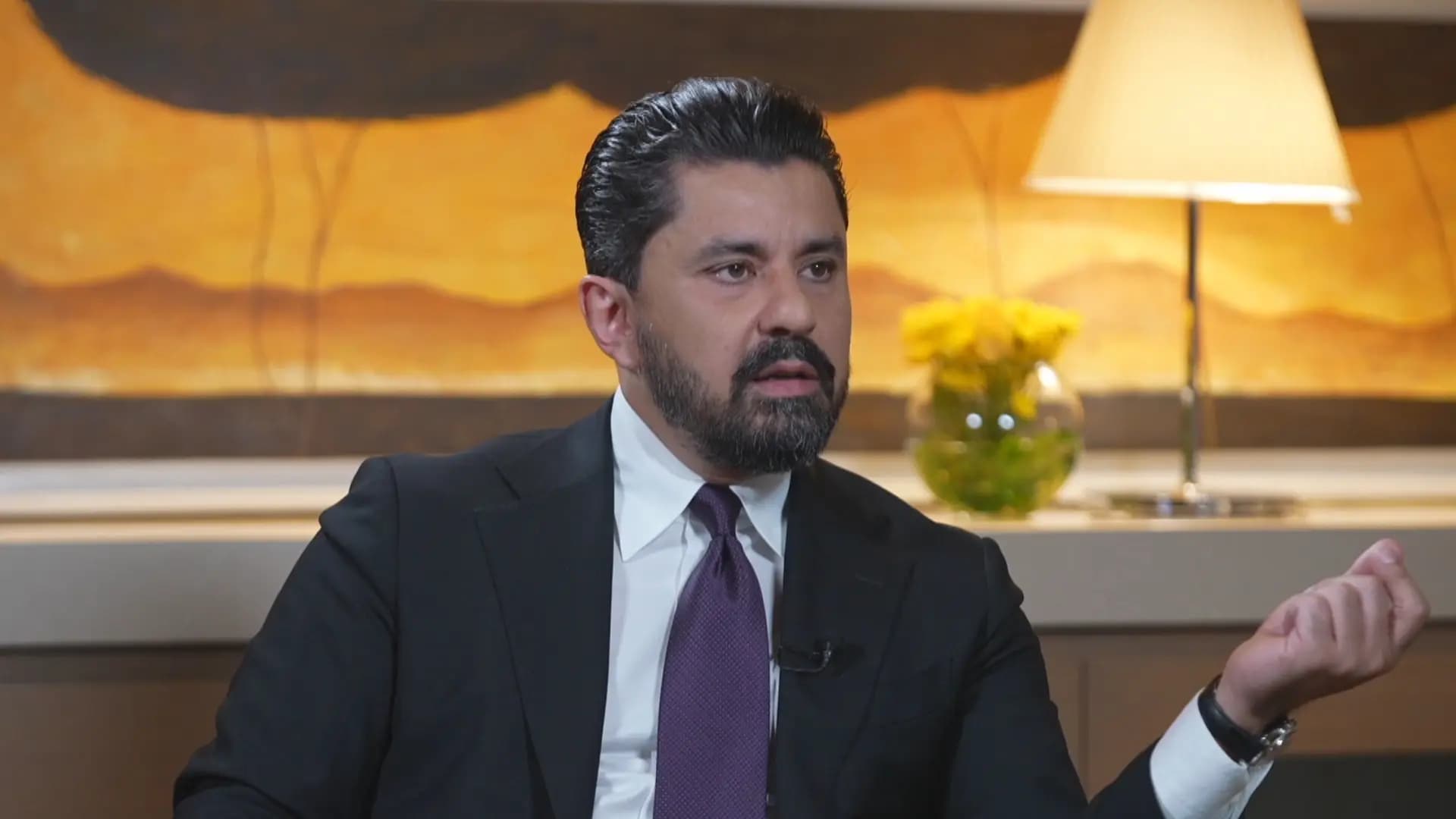
Iraqi Oil Minister Basim Mohammed Khudair said Saturday that the government was considering purchasing at least 10 oil tankers and forming partnerships with companies that own such vessels to reduce its reliance on foreign shipping.
"We now have a plan for the oil tankers company to sign partnership contracts with whoever owns such tankers, and we have had a conversation with His Excellency the Prime Minister to allocate a budget for us to buy no fewer than 10 tankers to bolster the oil tanker fleet," Khudair told the state-owned Iraqi News Agency (INA)
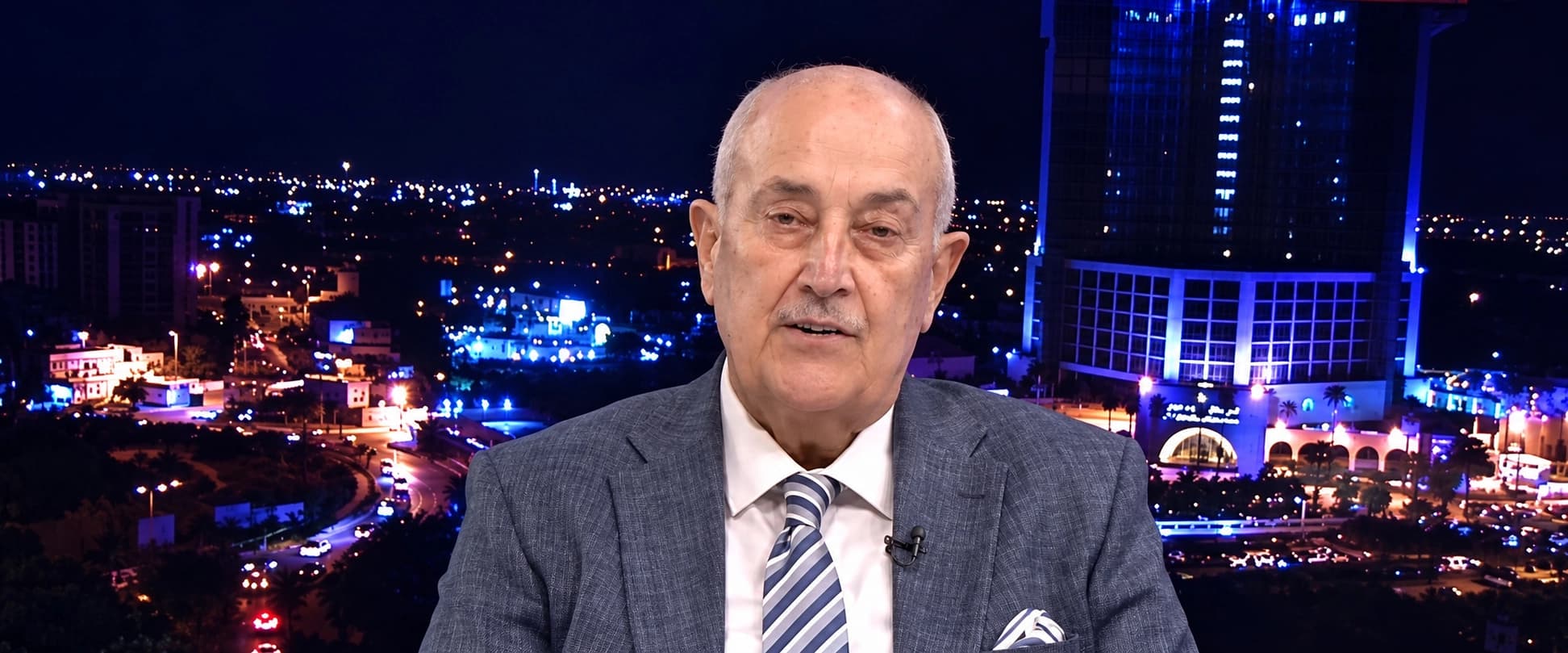
The minister said the move would help boost government revenues by reducing transportation fees. Raad al-Jarah, an oil export expert interviewed by INA, said Iraq was selling its crude at discounts of $15 to $20 per barrel due to shipping costs.
"In a year, our losses amount to what we would pay for 25 VLCC tankers," Jarah said, referring to very large crude carriers. "Iraq is losing a lot due to VLCC expenses."
The push comes as disruptions to shipping through the Strait of Hormuz since the outbreak of the US-Israeli war against Iran in late February have sharply increased transportation and insurance costs, forcing Iraq to offer discounts on its crude despite a recent recovery in export volumes.
The disruptions have exposed Iraq's dependence on foreign shipping companies and the vulnerability of its oil-dependent economy to rising transportation costs.
In September, Khudair told parliament that Saudi Arabia had purchased 25 oil tankers worth an estimated $4.5 billion, contributing to an increase in the cost of transporting Iraqi crude from $26 to $37 per barrel.
Saudi Arabia's Energy Ministry rejected the allegation, denying that the kingdom had purchased the vessels.
Riyadh attributed rising transportation costs to the regional conflict and disruptions to navigation through the Strait of Hormuz, which it said had driven shipping costs to exceptional levels.
Iraq has since sought to expand its maritime transportation capabilities. In early October, the Iraqi Oil Tankers Company announced that it had arranged a very large crude carrier (VLCC) to transport two million barrels of Iraqi crude beyond the Strait of Hormuz, describing it as its first such operation in decades, according to INA
The company said the operation would give the State Organization for Marketing of Oil (SOMO) greater flexibility to sell crude beyond its traditional delivery arrangements at Iraq's southern ports.
In September, the Oil Ministry told Rudaw that Iraq had adopted Free on Board (FOB) sales, under which buyers take responsibility for transporting crude from Iraqi ports and bear the associated shipping risks.
Khudair said Saturday that restoring export volumes and increasing production remained among the Oil Ministry's priorities as the Hormuz crisis continued.
According to the minister, Iraqi oil exports exceeded 3.4 million barrels per day (bpd) in October, approaching their pre-war level of approximately 3.7 million bpd.
Exports had plunged from more than 99 million barrels in February to just 18.6 million barrels in March, before gradually recovering as Baghdad diversified export routes through Turkey's Ceyhan port and tanker trucks transporting smaller quantities through Syria.
Insurance protection
Meanwhile, Iraqi insurance industry executives called Sunday for stronger cooperation with the country's oil and gas sector to safeguard energy infrastructure, investments and production against mounting risks.
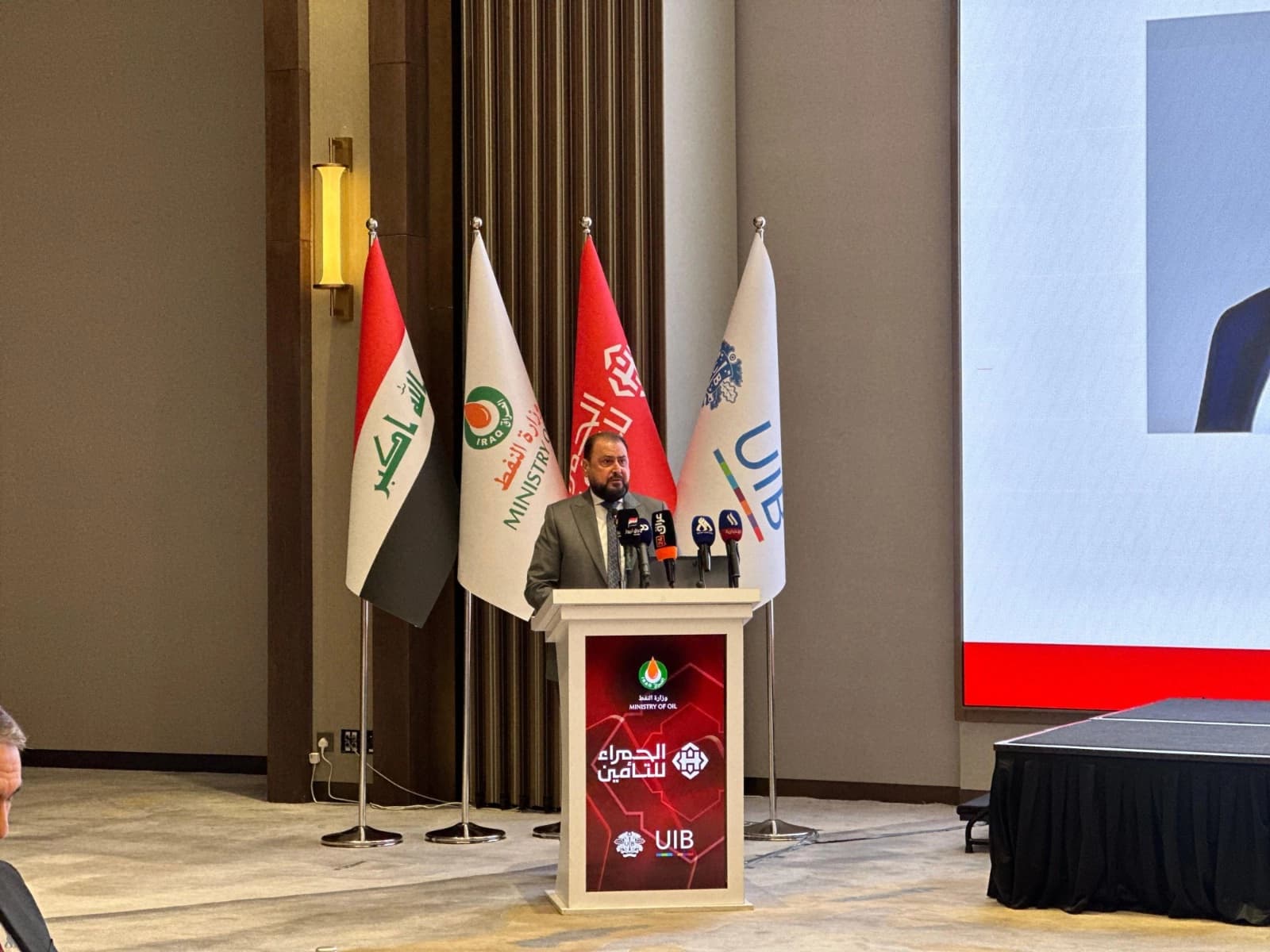
This was during Iraq's first specialized conference on energy risk management and insurance, organized in Baghdad by Al-Hamraa Insurance Company, with participation from Oil Ministry personnel.
"The economy of Iraq is built on energy, and the largest share of state revenues comes from it," Yasser Sabri, chairman of Al-Hamraa Insurance Company, told INA.
He warned that any threat to an oil field, facility or transportation pipeline could have consequences for the entire national economy.
Sabri called for a "genuine partnership" between the energy and insurance sectors, saying Iraq needed an insurance market with "sufficient technical expertise, financial strength and international partnerships" to protect its energy industry.
He also called for greater investment in training Iraqi specialists in energy insurance and risk engineering, alongside stronger cooperation with international reinsurance markets to help domestic insurers cover major projects.
"The expertise built at home stays at home," he said.
Wasn Saad, chairwoman of the Iraqi Insurance Company, said oil and gas operations faced complex risks requiring specialized insurance solutions and technical expertise.
Such measures were necessary to protect assets and investments, ensure business continuity and support economic stability, Saad told INA.
Sabri announced that Al-Hamraa was prepared to make the conference an annual event and use its recently launched insurance academy to train Oil Ministry personnel in energy-related insurance and risk management.
"The partnership we seek begins with a common professional language between those who manage a project and those who insure it," he said.