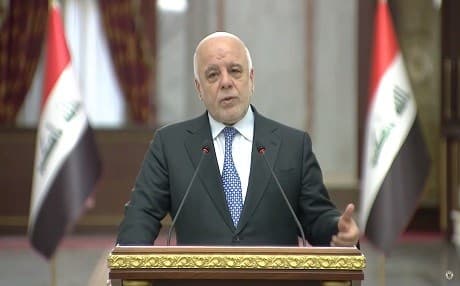
Abadi announced that his government will “soon” release a list of those officials involved in corruption.
"We have an essential campaign for fighting corruption ... and we will soon release what we have done in this regard. We will declare those who have been referred to the Integrity [Committee] and those who have been sentenced," he said during his weekly press conference on Tuesday from Baghdad.
He added that "we have intensified efforts regarding fighting corruption. The importance of these procedures is to prevent the corrupt from feeling secure,” adding that the government, judiciary and the integrity committee are "independent" and none of them interferes with the business of the others.
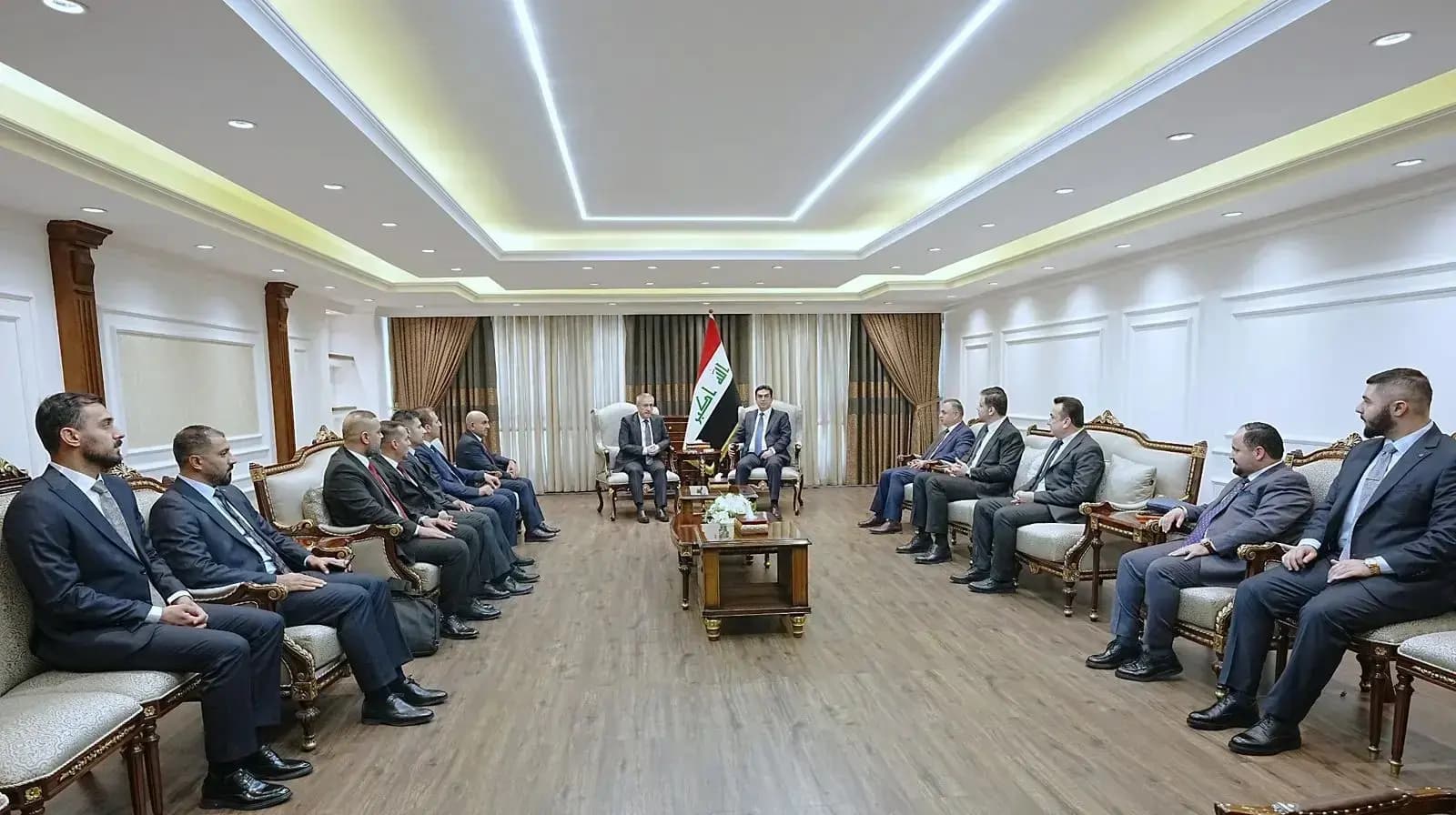
He was queried about KRG’s Prime Minister Nechirvan Barzani’s latest visit to Baghdad.
"Our relations with Kurdistan Region are fundamental and essential. We want to live in one country and improve these relations,” Abadi said.
The Iraqi PM also headed a meeting of the Council of Ministers earlier in the day, issuing a number decrees as a response to demands by recent protests.
The government decided to fund projects, in Basra, Dhi Qar, Muthana and Najaf provinces; secure a sum of money for sewage maintenance; support the agriculture sector; compensate projects affected by bird flu; and allocate a "wide plot of land" for an orphanage in Najaf.
Iraq’s protests, which are mainly concentrated in the Shiite south, began on July 9 in the oil-rich province of Basra. Protesters are demanding jobs, basic services like water and electricity, and an end to corruption.
Human rights organizations have condemned the heavy-handedness of Iraq’s security forces and the internet blackouts.
Abadi, whose list finished third in the recent parliamentary election, is under mounting pressure to address the demands of the protesters. He has promised to accelerate infrastructure projects and create jobs. Protesters say they will remain on the streets until concrete reforms are given.