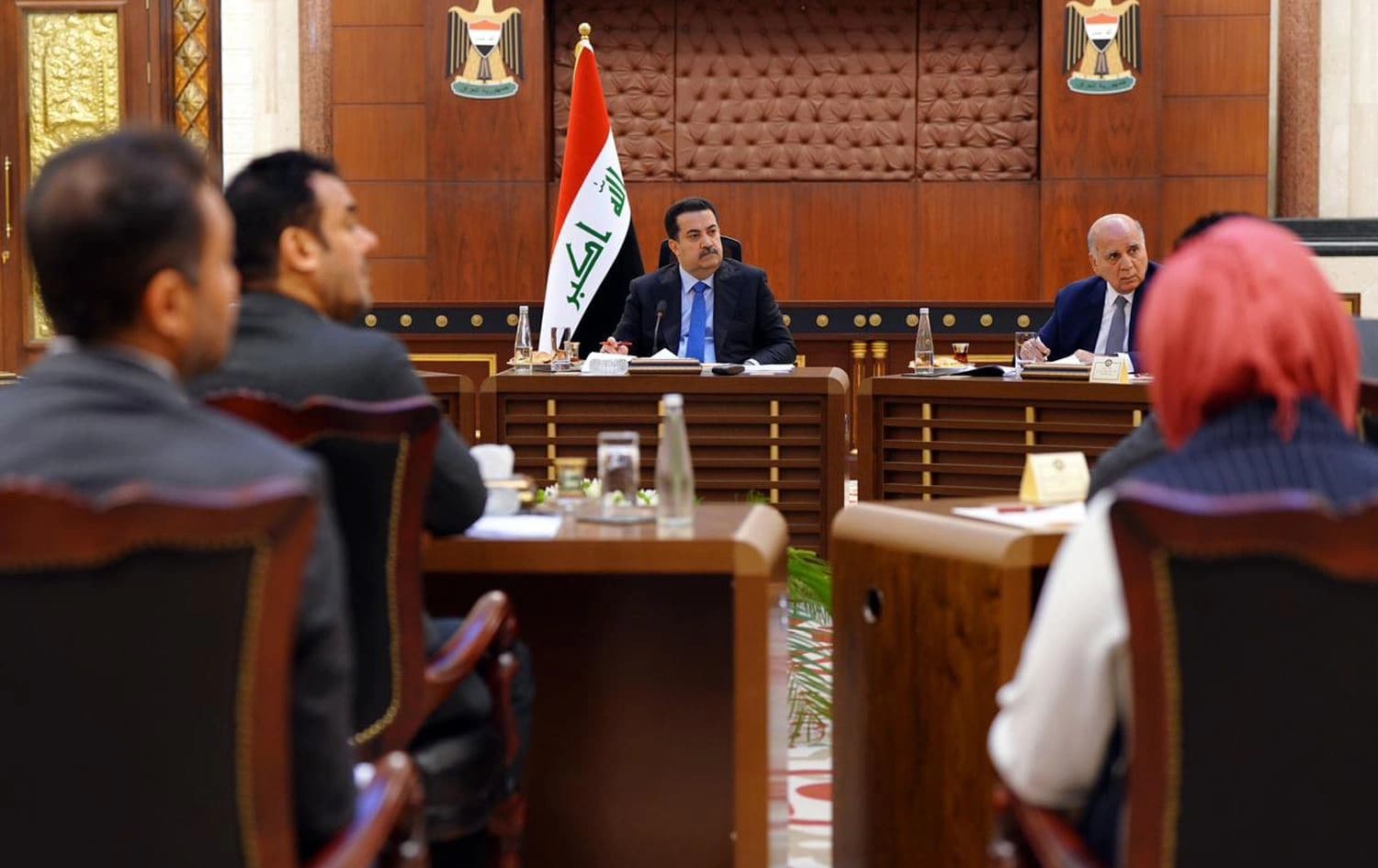

The purpose of the meeting was refining the bill’s final draft before its approval by the Council of Ministers and subsequent submission to the Iraqi parliament, according to a statement from Sudani’s office.
Sudani described the bill as “fundamental and crucial,” saying that the country was in urgent need for a hydrocarbon law to take full benefit from its natural resources and tackle numerous outstanding issues.
“The legislation will adhere to constitutional principles, ensuring a just distribution of oil wealth, promoting economic advancement in all aspects, and playing a pivotal role in the government's priority of implementing economic reforms,” read the statement.
The Iraqi premier also ordered the formation of a ministerial committee that would oversee technical dialogues between the federal oil ministry and the Kurdistan Regional Government’s oil ministry, seeking a consensus on presenting the bill.
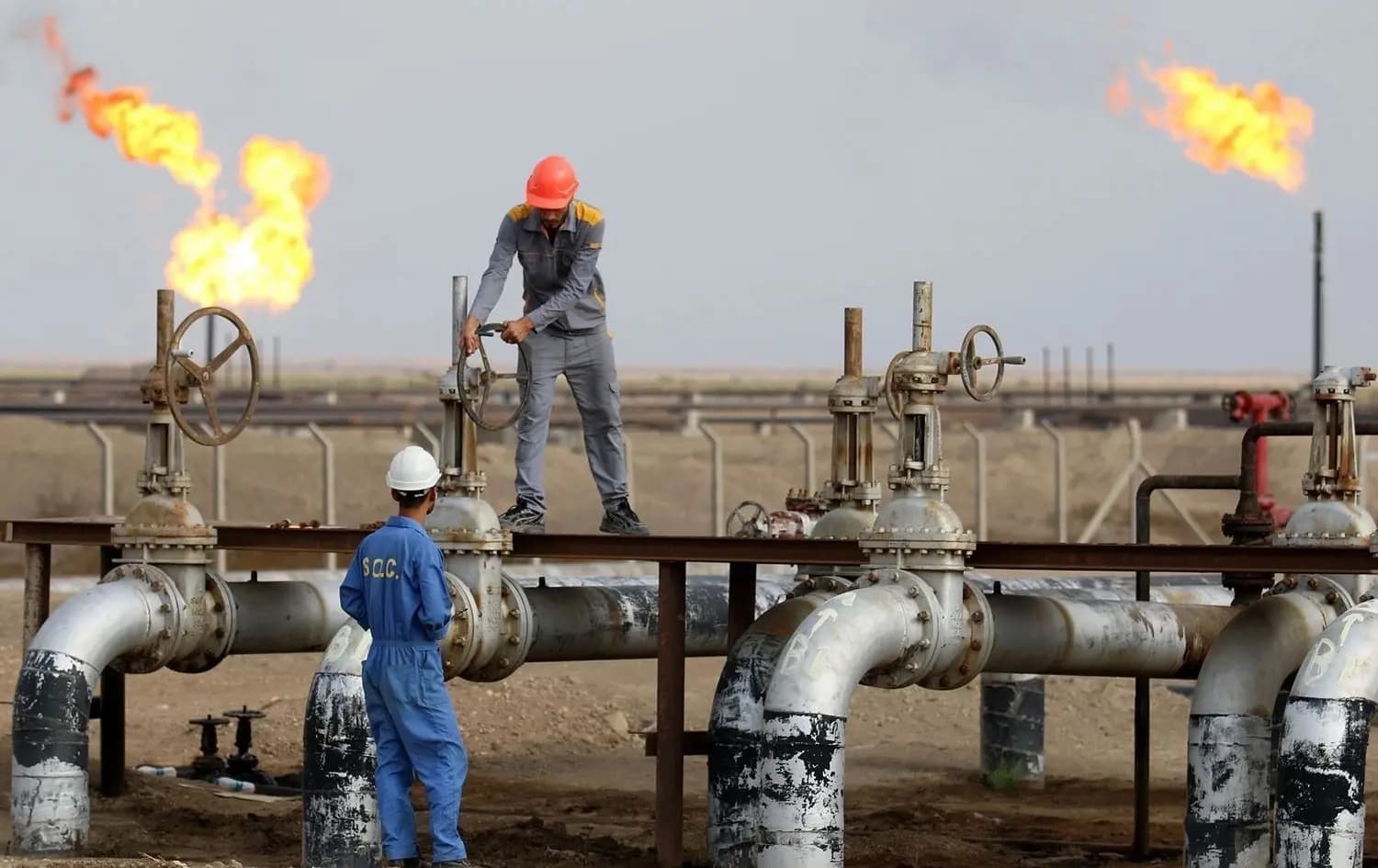
Iraq pocketed over $8 billion in crude oil sales during the month of July, bringing the country’s total earnings from oil exports since the start of the year to over $52 billion.
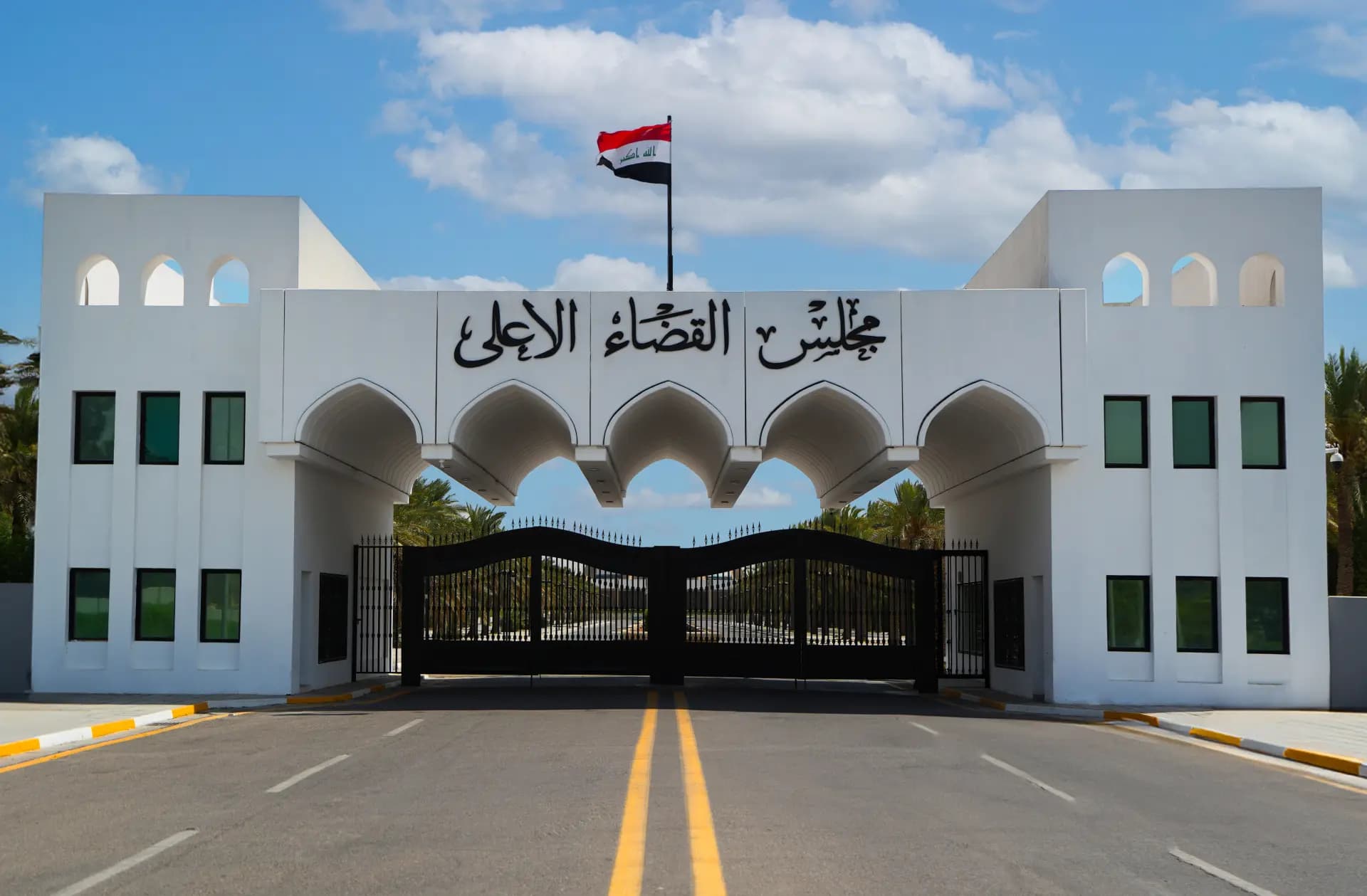
Calls for drafting a joint hydrocarbon law between Erbil and Baghdad have resurfaced since the formation of the new Iraqi government under Sudani in October, after a ruling from Iraq’s top court in February 2022 deeming the Kurdistan Region’s oil and gas law “unconstitutional” escalated tensions between the KRG and the federal government.
The Kurdistan Region's oil exports through Turkey's Ceyhan port are yet to resume after being put on hold in late March following a ruling from a Paris-based arbitration court saying that Ankara had breached its 1973 pipeline agreement with Baghdad.