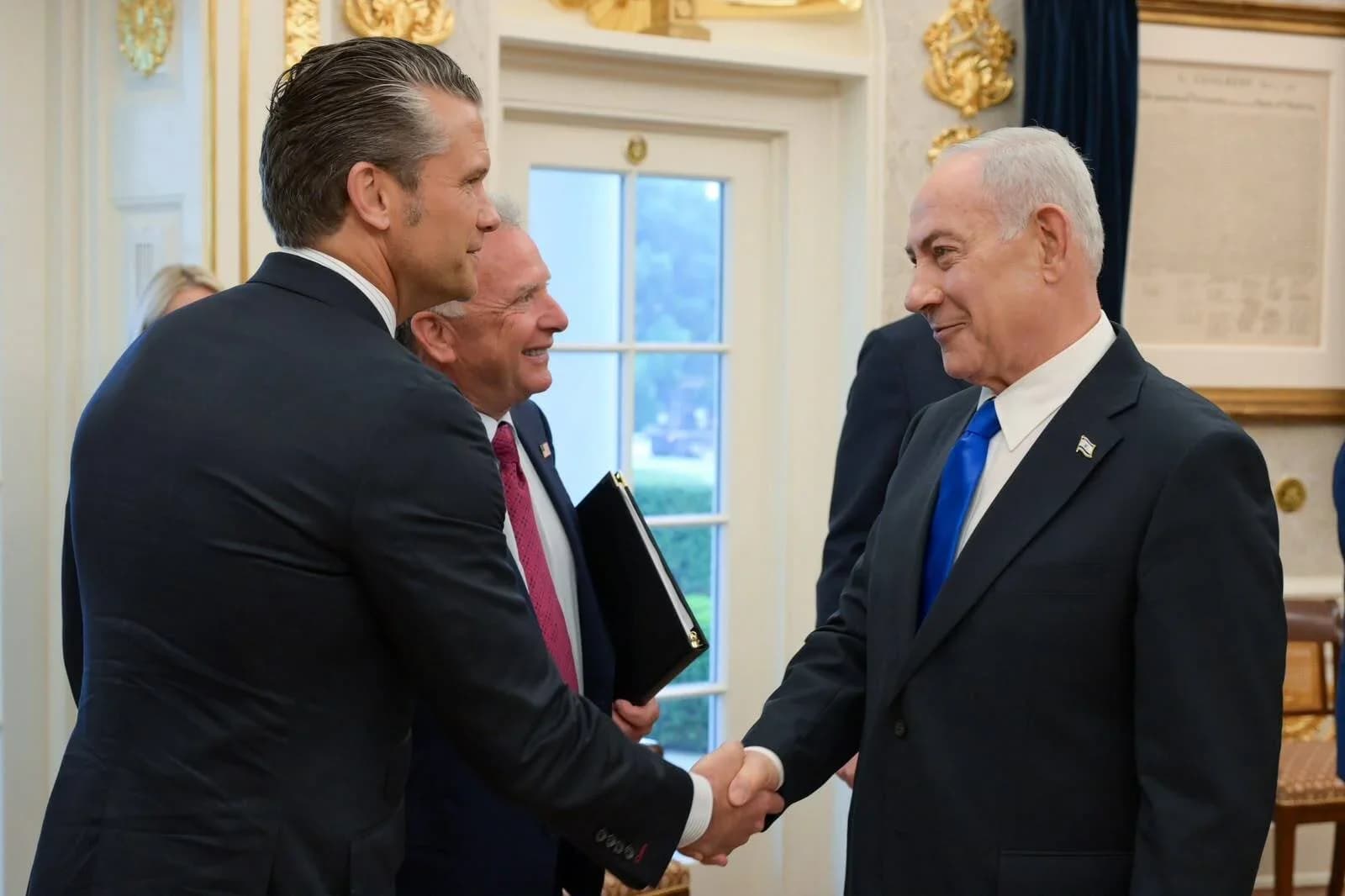
ERBIL, Kurdistan Region - US Defense Secretary Pete Hegseth said Tuesday that American forces stationed in the Middle East were prepared to prevent Iran from obtaining nuclear weapons, following his unannounced meeting with Israeli Prime Minister Benjamin Netanyahu amid growing concerns over renewed hostilities between Washington and Tehran.
"I got to see some of our warfighters. They're preparing and ready to ensure that Iran never has a nuclear weapon," Hegseth said, according to remarks published by the US Department of War.
Hegseth declined to disclose details of his discussions with Netanyahu during Monday's visit to Israel, which came amid reports of US-Israeli consultations over potentially resuming military operations against Iran.
The remarks come as Washington and Tehran remain divided over the Islamic Republic's nuclear program and the reopening of the Strait of Hormuz, with diplomatic efforts through Pakistan and Qatar yet to produce a lasting agreement.
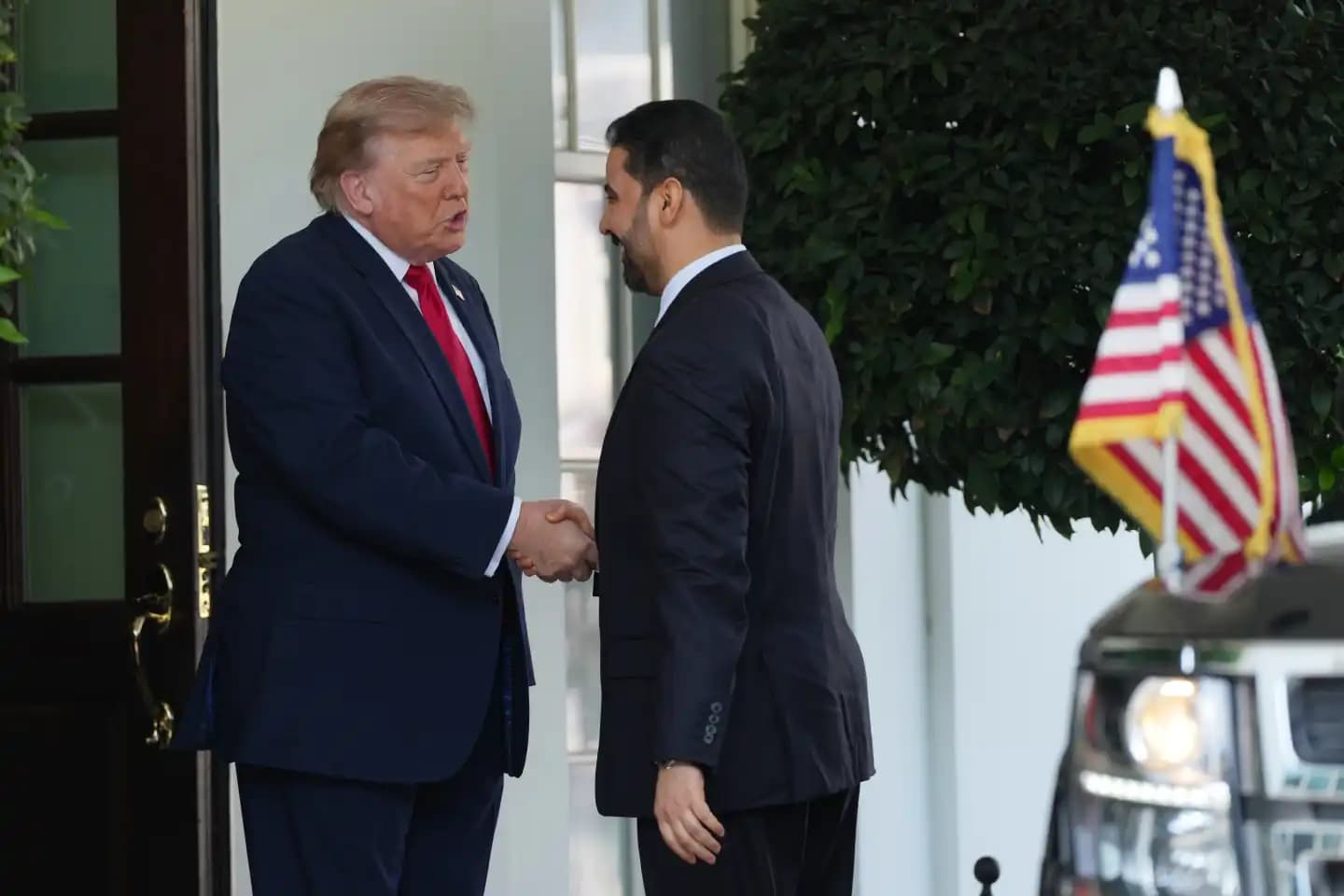
On Tuesday, US President Donald Trump suggested that Washington was considering its next steps against Iran, leaving open the possibility of a diplomatic or military approach.
"We're doing very well with Iran, we just have to make a final decision of which way do we want to win. Do we want to win the nice way or the not nice way," Trump told reporters at the White House.
Asked about Hegseth's meeting with Netanyahu, Trump declined to disclose details.
Fox News chief foreign correspondent Trey Yingst reported Tuesday that Israeli fighter jets had flown toward Iran through Syrian and Iraqi airspace as part of overnight military exercises. The report did not identify its sources.
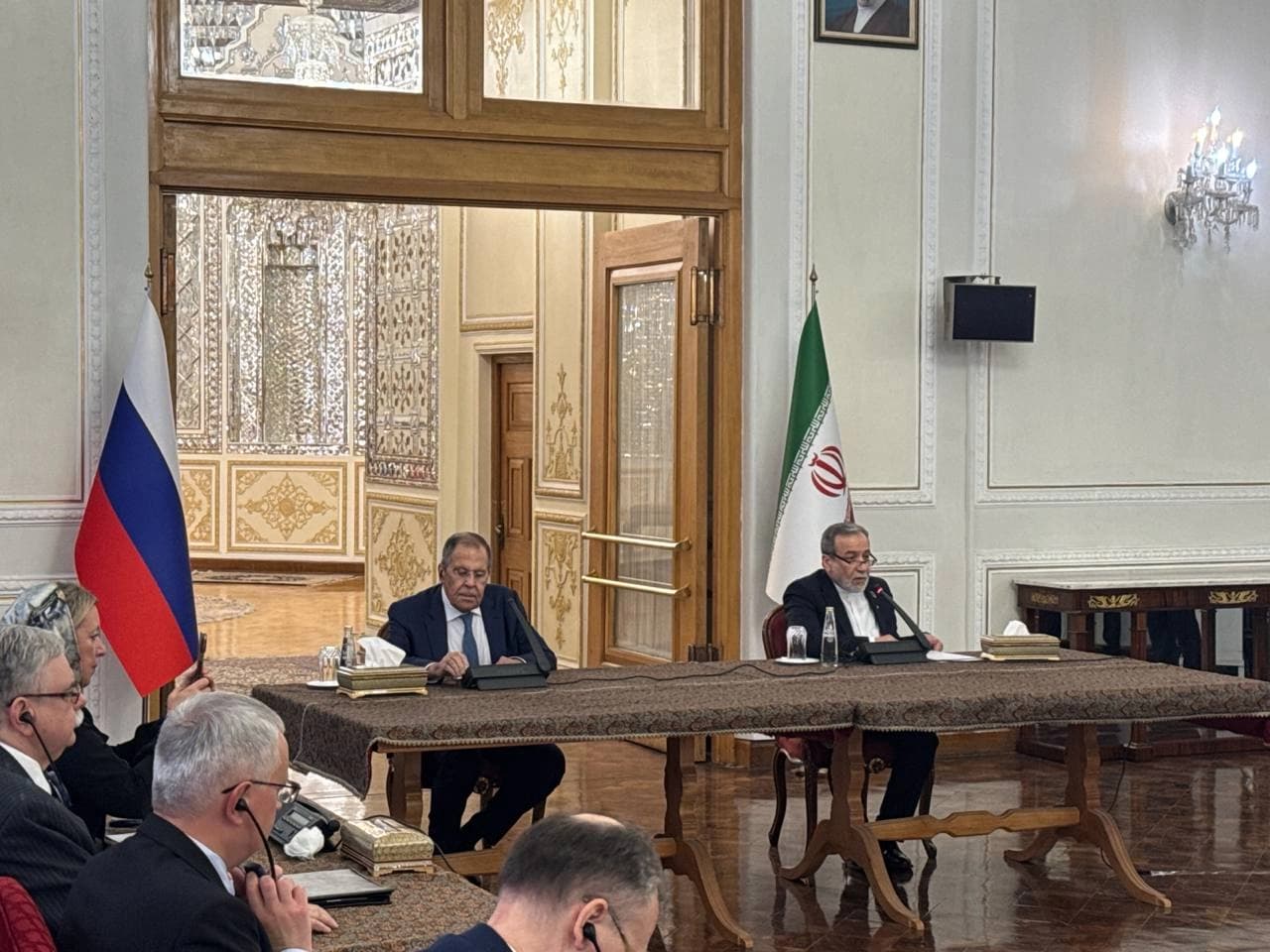
In an interview with state-owned Iraqi News Agency (INA) that aired Tuesday night, Iranian Foreign Minister Abbas Araghchi said indirect negotiations with Washington were continuing through Pakistan and Qatar despite the increasingly confrontational rhetoric.
"Negotiations with the American side continue through mediating countries, such as Pakistan and Qatar," Araghchi said, adding that Tehran had proposed a seven-day initiative under which the Strait of Hormuz would reopen on the sixth day if Washington accepted and implemented Iran's conditions.
"The American side said they accepted our conditions, but they also put forth some conditions," he said, declining to disclose the additional American demands.
Araghchi reiterated Tehran's call for Washington to fulfill its commitments under the Islamabad memorandum of understanding before negotiations moved to other issues.
"After implementing the proposals, we can move to negotiate about other topics, up to reaching the final stage of negotiations where the two sides can put on the table all relevant topics to reach a comprehensive agreement," he said.
Washington has not publicly confirmed Araghchi's account of accepting the Iranian conditions.
Meanwhile, Mohsen Rezaei, secretary of Iran's Supreme National Security Council, said Tuesday that Tehran would not transfer its enriched nuclear material abroad, reiterating the position of Supreme Leader Mojtaba Khamenei.
Rezaei made the remarks during a meeting in Tehran with Pakistan's military chief, Field Marshal Asim Munir, who was visiting the country as part of efforts to revive negotiations between Iran and the United States.
Iranian President Masoud Pezeshkian and parliament speaker Mohammad Bagher Ghalibaf also met Munir, with Tehran insisting that Washington must fulfill its conditions, including ending the blockade on Iranian ports, lifting sanctions on oil exports and halting regional hostilities.
US Vice President JD Vance has called for a significant reduction in Iran's uranium enrichment capacity as part of any agreement to end the conflict.
Separately, US Treasury Secretary Scott Bessent said Tuesday that Washington's economic campaign against Iran was weakening its economy, claiming that the country had effectively lost its ability to export oil by sea.
"We haven't seen any loadings at the Iranian oil facility on Kharg Island since August. Iran currently has no oil on the water," Bessent said during an interview on 2WAY TV's The Morning Meeting program.
"Panic is starting to set in ... I don't know whether it's going to take four more weeks or eight more weeks, but at a point, their economy will go nonlinear," he added.
Despite continuing attacks on commercial shipping, overall Middle East oil exports have recovered. The Wall Street Journal reported, citing data from ship-tracking firm Kpler, that regional oil flows through the Strait of Hormuz and alternative routes averaged more than 24 million barrels per day in the week ending October 18, surpassing pre-war levels of 23.3 million barrels.
However, renewed fears of supply disruptions triggered sharp fluctuations in oil prices on Tuesday. US benchmark West Texas Intermediate (WTI) crude surged 5.7 percent to $109.60 per barrel during trading, while Brent crude climbed two percent to $111.69, AFP reported.
Prices subsequently retreated, with Brent settling at $108.79 per barrel and the November WTI contract closing at $101.79, according to Reuters.
European leaders have also reiterated their opposition to Iran acquiring nuclear weapons. In conclusions adopted Friday, the European Council urged Tehran to fulfill its nuclear safeguards obligations and resume full cooperation with the International Atomic Energy Agency (IAEA).
The council also condemned attacks on commercial shipping through the Strait of Hormuz, calling for freedom of navigation in accordance with international law.