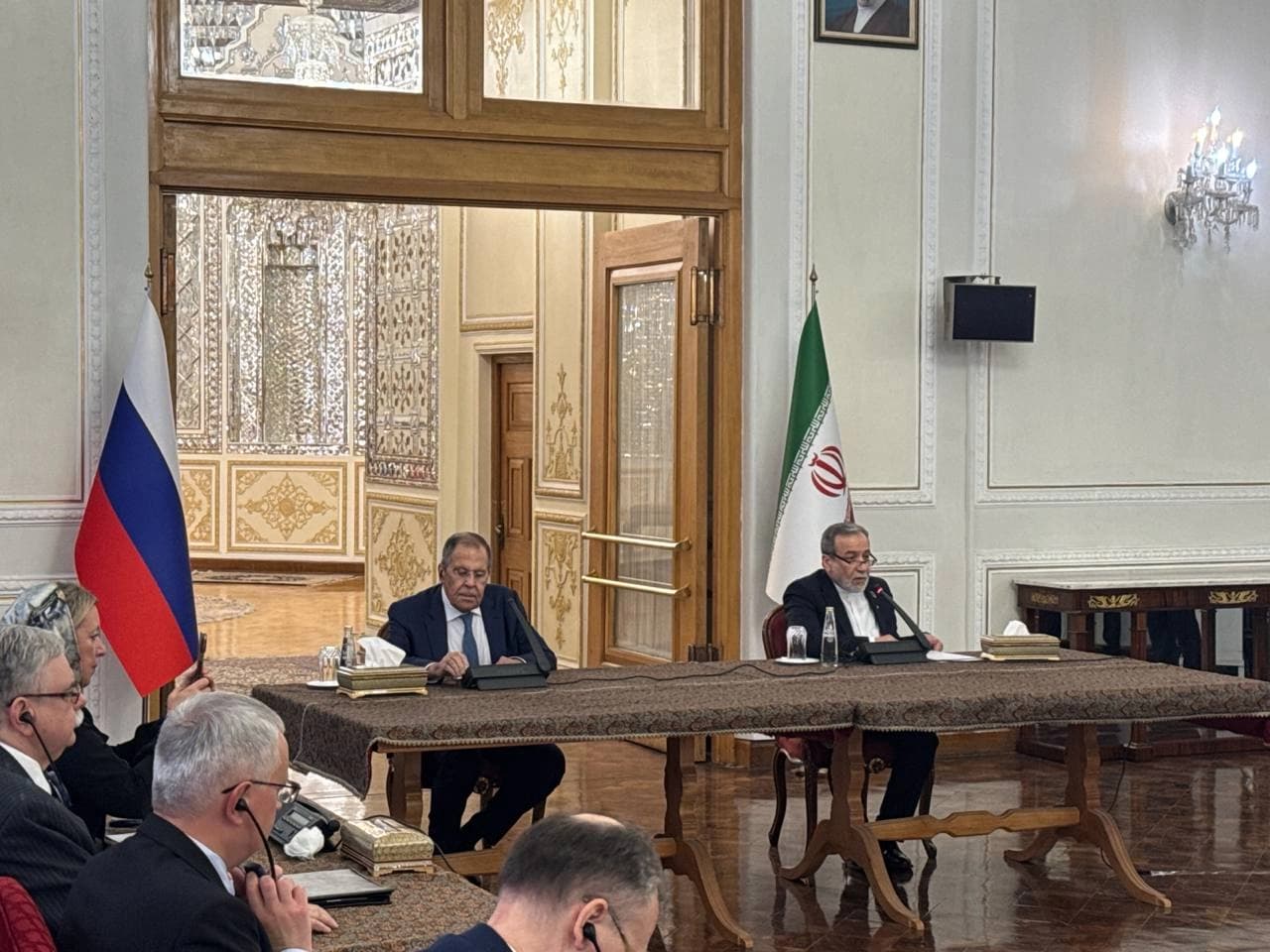

ERBIL, Kurdistan Region - Russian foreign minister Sergey Lavrov on Monday conveyed Moscow’s readiness to assist Iran and stated that a return of staff to an Iranian nuclear plant was “underway” following a meeting with his Iranian counterpart Abbas Araghchi, a day after the Gulf Cooperation Council (GCC) urged Moscow to press the Islamic Republic for a return to freedom of navigation in the Strait of Hormuz.
In the press conference that followed, Lavrov outlined Russia’s “readiness to render assistance in searching for mutually acceptable solutions to resolve this artificially created crisis,” underscoring the importance of returning “to the pre-crisis situation in the Persian Gulf and the Strait of Hormuz, including measures to restore the freedom of navigation and guarantees against the recurrence of aggression," state-run Russian News Agency reported.
According to Tasnim, Lavrov further added Russia had no intention of reviewing its investment agreements with Iran despite difficult international conditions and that “the process of re-establishing the presence of technical forces at the Bushehr nuclear power plant site is underway.”
Russian state-owned Sputnik news on Monday also confirmed Lavrov’s statements and that Russian "specialists are gradually returning to the Bushehr nuclear power plant.”
The announcement comes a day after Lavrov on Sunday met with the six members of the (GCC) in Bahrain, in which members urged the premier to persuade Iran to resume the navigation of the strait of Hormuz to pre-war status and halt Iran's strikes on Gulf states.
Secretary General of the (GCC) Jasem Albudaiwi said in a Sunday statement that “the GCC looks forward to the Russian Federation, in its capacity as a permanent member of the UN Security Council” to play “an active role in urging Iran to comply with Resolution 2817 (2026), cease its attacks, respect freedom of navigation, and engage in serious dialogue with the GCC states based on the principles of good neighbourliness, respect for sovereignty and non-interference in internal affairs.”
Albudaiwi highlighted major challenges including Iranian attacks on GCC states since the outbreak of the US-Iran war in February 28, as more than 7,000 ballistic missiles and drones targeted airports, ports, power stations, desalination plants, and oil and gas facilities, killing civilians, adding the Gulf states were “not a party” to the war but rather “made every effort to spare the region its grave repercussions, despite the blatant assaults and violations of their sovereignty and territorial integrity.”
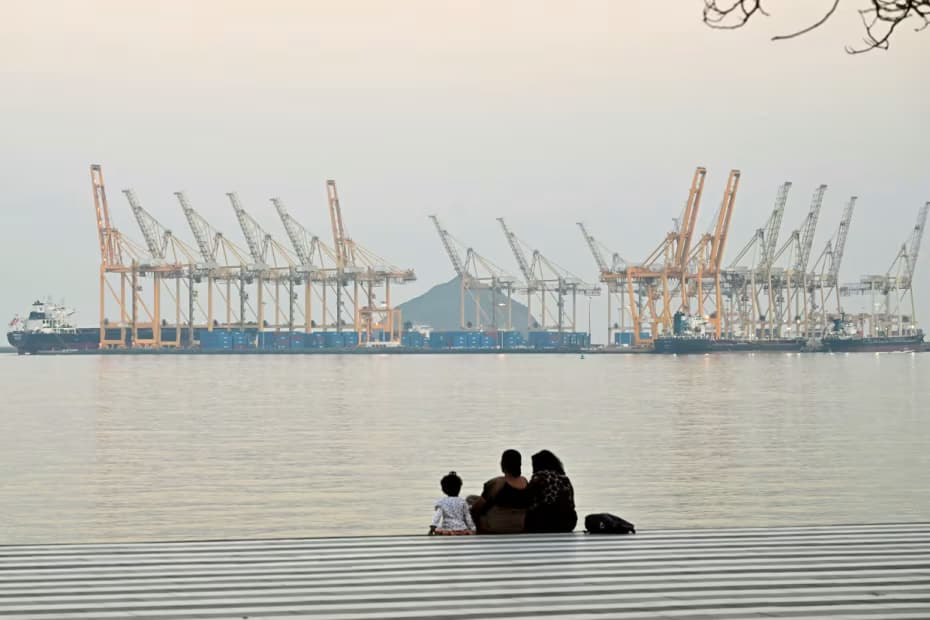
Iran’s restrictions on shipping in the Strait of Hormuz have dealt a severe blow to global shipping, which saw the transit of about one-fifth of global oil consumption prior to the conflict. Tehran has attempted to impose transit fees and maintain control over the waterway amid a US-imposed blockade on the Strait since mid-July. The restrictions in maritime traffic have served to disrupt and threaten global energy security, food supplies and supply chains.
Trade between Moscow and Tehran grew by 21 percent last year and by more than 10 percent in the first eight months of this year, said Lavrov, adding “there are opportunities for cooperation in oil and gas production and transportation, as well as renewed cultural ties between the two countries.”
Lavrov said the presidents of the two countries had met twice in recent weeks and that Moscow hoped Iranian President Masoud Pezeshkian would visit Russia to attend the Gas Exporting Countries Forum.
Both nations are sanctioned by the US Treasury to various degrees, having been targeted recently by the Lindsey O. Graham Sanctioning Russia and Iran Act of 2026 in mid-September, as well as on a smaller scale by American firms such as OpenAI earlier this month for using ChatGPT for covert influence operations.
Meanwhile, Trump on Friday announced that Russia - the second- largest diesel exporter, after the US - had agreed to supply diesel to global markets, after his administration temporarily lifted US sanctions on Russian fuel designed to deprive Moscow of revenue for its war in Ukraine.