

ERBIL, Kurdistan Region - The United States Treasury on Tuesday sanctioned 10 individuals and entities accused of procuring weapons and components for Iran’s Ministry of Defense and Armed Forces Logistics (MODAFL).
The Treasury’s Office of Foreign Assets Control (OFAC) said the targets operated across several countries and were involved in procuring finished weapons systems, dual-use components and electronics on behalf of MODAFL, which oversees weapons research, production and acquisition for Iran's armed forces.
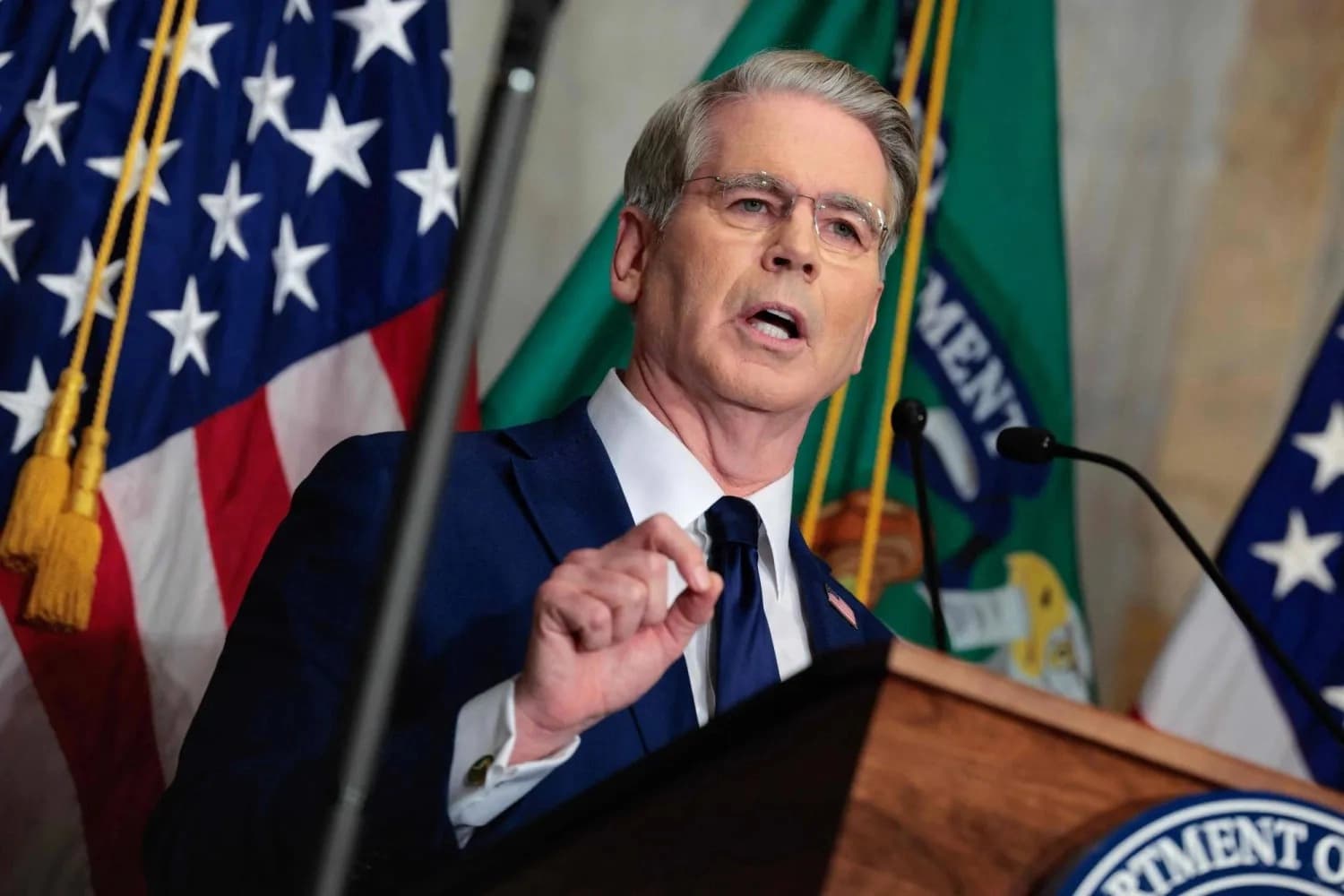
“Under Operation Economic Outcast, Treasury will continue to target and disrupt those who provide material, technological, or financial support that allows the Iranian regime to sustain its terrorist enterprise,” Treasury Secretary Scott Bessent said in the Tuesday statement.
The sanctions come under Operation Economic Outcast, a sweeping US economic pressure campaign launched on August 24 and dubbed “Economic D-Day” by the Treasury. The campaign targets networks Washington says Iran uses to sell oil, evade sanctions, move funds, and finance its regional activities.
“The Treasury will not tolerate any support to the regime and will continue to identify, expose, and isolate Iran’s enablers,” vowed Bessent.
The Treasury said the latest measures were intended to further degrade Iran’s ability to rebuild its weapons programs and raise the costs for those supporting Tehran’s military procurement efforts.
Among those sanctioned was Seyyed Asghar Alizadeh Tabatabai Tabatabai, a MODAFL representative in Beijing whom the Treasury accused of coordinating the procurement of finished weapons systems and dual-use components in China on Iran’s behalf.
The designations also targeted Iran-based Kavoshcom Asia R and D Group and its director, Ali Fotowat Almady, as well as Kavoshcom representative Parisa Lali and Hong Kong-based EC Mojo Technology Co Limited.
The sanctions also targeted Pakistan-based businessman Waseem Pasha Tajammal and three companies linked to him. The Treasury said Tajammal and his Cavalier Group network acted as intermediaries for MODAFL in procuring and distributing weapons.
Bessent met Lebanese Prime Minister Nawaf Salam and Finance Minister Yassine Jaber on Monday, urging Beirut to take measures to disrupt financial networks linked to Iran and Hezbollah.
On Sunday, Bessent told Fox News that Iran would have “nothing to trade for anything” within about two weeks, saying 15 million barrels of Iranian oil remained in transit to China.
Tether, the company behind the world’s largest stablecoin, said Monday that it would continue cooperating with US authorities and that it had supported the freezing of nearly $550 million in Iran-linked digital assets in 2026.
The Treasury on September 17 also sanctioned BitBank, a digital assets venture controlled by now-sanctioned Iranian financier Babak Zanjani, alongside its developer, Pishtaz Simorgh Electronic Trade Company, and three Zanjani associates. The Treasury described them as key components of Iran’s digital asset-based sanctions evasion infrastructure.
The intensified economic pressure follows the Treasury's Economic Fury campaign, launched in April as the financial counterpart to the US military campaign against Iran. The United States and Israel began large-scale strikes on Iran on February 28, with Washington naming its military operation Epic Fury.

.jpg&w=3840&q=75)