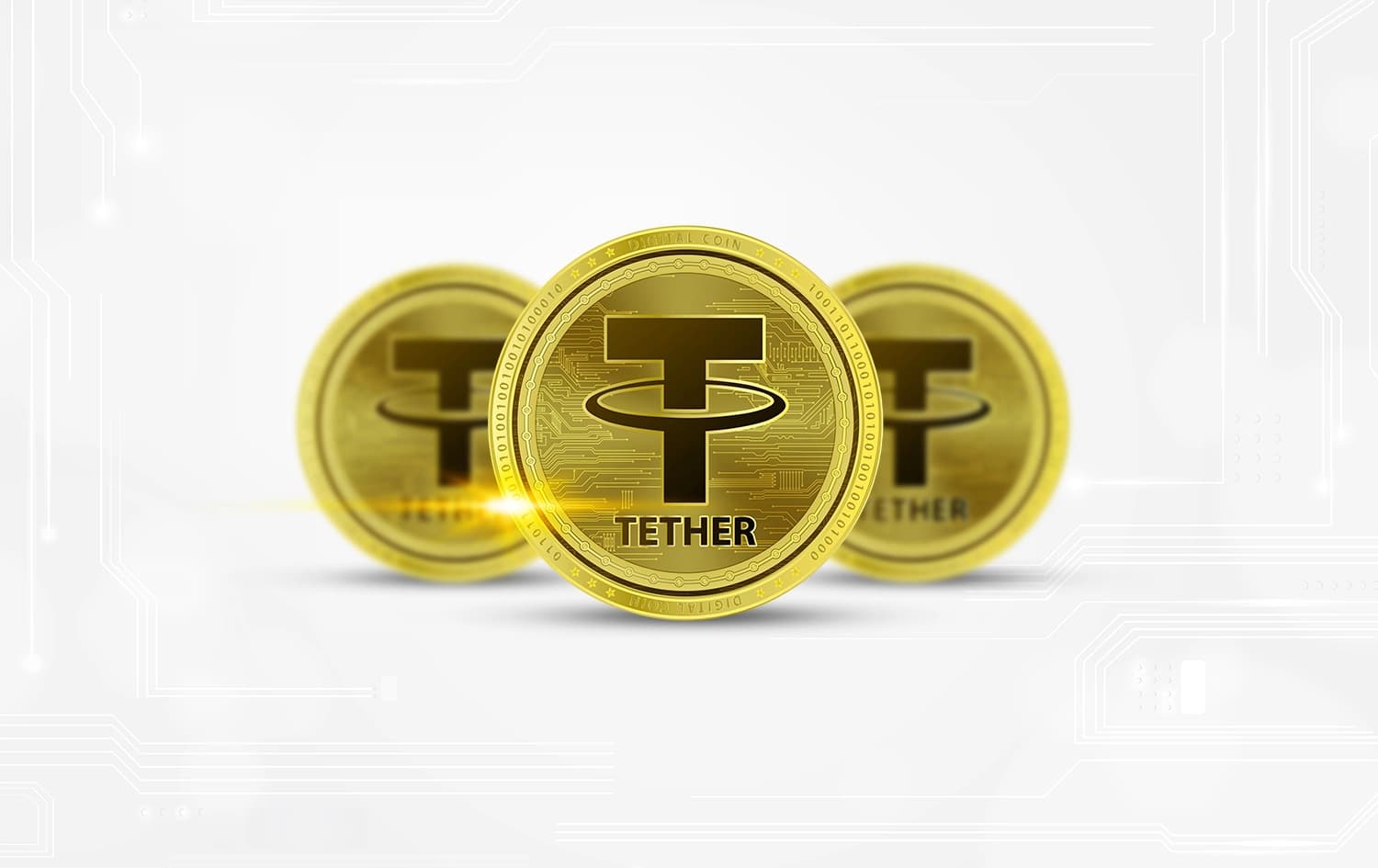

ERBIL, Kurdistan Region - Tether, a financial technology and cryptocurrency company that issues the world's largest stablecoin, announced on Monday that it helped freeze nearly $550 million in digital assets in 2026 across wallets that US authorities identified as Iran’s Central Bank and Iranian sanctions networks.
During 2026 alone, actions involving its digital currency “resulted in approximately $550 million in assets being frozen across wallets that U.S. authorities identified as connected to Iran’s Central Bank and Iranian sanctions networks,” the company said in a statement, citing cooperation with US and international law enforcement.
Paolo Ardoino, Tether’s CEO, stated that its currency “is not a haven for sanctioned actors, terrorist organizations or criminal networks.”
Tether issues digital tokens in the form of USDT with a 1:1 value to the US dollar and is backed by reserves like cash, US government debt and physical gold, according to the company site.
The freeze comes as Treasury Secretary Scott Bessent met on Monday with Lebanese Prime Minister Nawaf Salam and Minister of Finance Yassine Jaber.
The Secretary urged the Lebanese government to take proactive measures to disrupt Iranian and Hezbollah financial networks.
Bessent said on Fox News on Sunday that Iran “will have nothing to trade for anything, probably within the next two weeks” following the completion of its remaining oil shipments to China within that time frame.
Iranian Deputy foreign minister Gharib Abadi announced on X on Saturday that “The era of imposing one's will through threats and sanctions is coming to an end” and that “Independent governments determine their relations with Iran based on their own interests and considerations, not on orders from the US Treasury.”
The digital assets freeze follows a precedent of recent sanctions.
The US Treasury Department in late August unleashed a sweeping economic sanctions package in an “unprecedented” economic campaign against Iran, dubbed Operation Economic Outcast to target Iran’s illicit revenue streams, with expanded secondary sanctions spanning five critical sectors, including digital assets.
The Department of the Treasury’s Office of Foreign Assets Control (OFAC) in mid-September designated BitBank, a priority digital assets venture controlled by OFAC-designated Iranian financier Babak Zanjani, as part of Operation Economic Outcast.
Tether’s CEO emphasized its coordination with authorities in the US and globally “to help ensure that illicit funds can be identified and frozen.”
The statement noted Tether’s cooperation with Israel’s National Bureau for Counter Terror Financing (NBCTF) in September 2025 to identify a list of 187 cryptocurrency addresses it said were associated with the IRGC, resulting in a freeze of approximately $1.5 million in USDT that remained in the wallets.
A 28-page report published Monday by US Senator Richard Blumenthal identified Tether stablecoin as "a primary illicit international payment system for Iran, allowing it to circumvent international sanctions on its banks," and "a central payment mechanism that interlinks Iran and its terrorist proxy organizations," detailing that "of the 846 wallets sanctioned for their association with Iran and its terrorist proxies, 84% have transacted exclusively, or nearly exclusively, in USDT."
.jpg&w=3840&q=75)