ERBIL, Kurdistan Region – Unable to secure a teaching position in Turkey's public school system, Kurdish teacher Evin Ozbay, 33, has spent the past five years building a thriving online classroom. Her students include not only Kurds seeking to learn their mother tongue, but also foreigners and people from diverse ethnic backgrounds.
“During these five years, I have had 250 students. In the last two years alone, 60 of my students learned Kurmanji,” she said in a video sent to Rudaw on Saturday, referring to the northern dialect of Kurdish.
“When my students learn Kurmanji, I feel incredibly proud of them,” she added.
Ozbay is originally from the Kurdish-majority province of Siirt in southeastern Turkey but now lives in the city of Adana. She graduated from Mus University's Department of Kurdish Language and Literature in 2021 before completing a master's degree, but has not been employed yet.
In 2024, Turkish education authorities announced the employment of 20,000 teachers, with only 10 of the appointments allocated for Kurdish Kurmanji and Zazaki dialects.
Suphi Ozgan, leader of the Kurdish Language Movement - a Diyarbakr-based NGO promoting the Kurdish language - told Rudaw on Sunday that there are more than 2,000 teachers across Turkey who have graduated from Kurdish language departments.
“All of them are waiting for public sector employment,” he said.
The Kurdish language continues to face systematic discrimination in Turkey, with many Kurdish children unable to speak their mother tongue due to decades of marginalization.
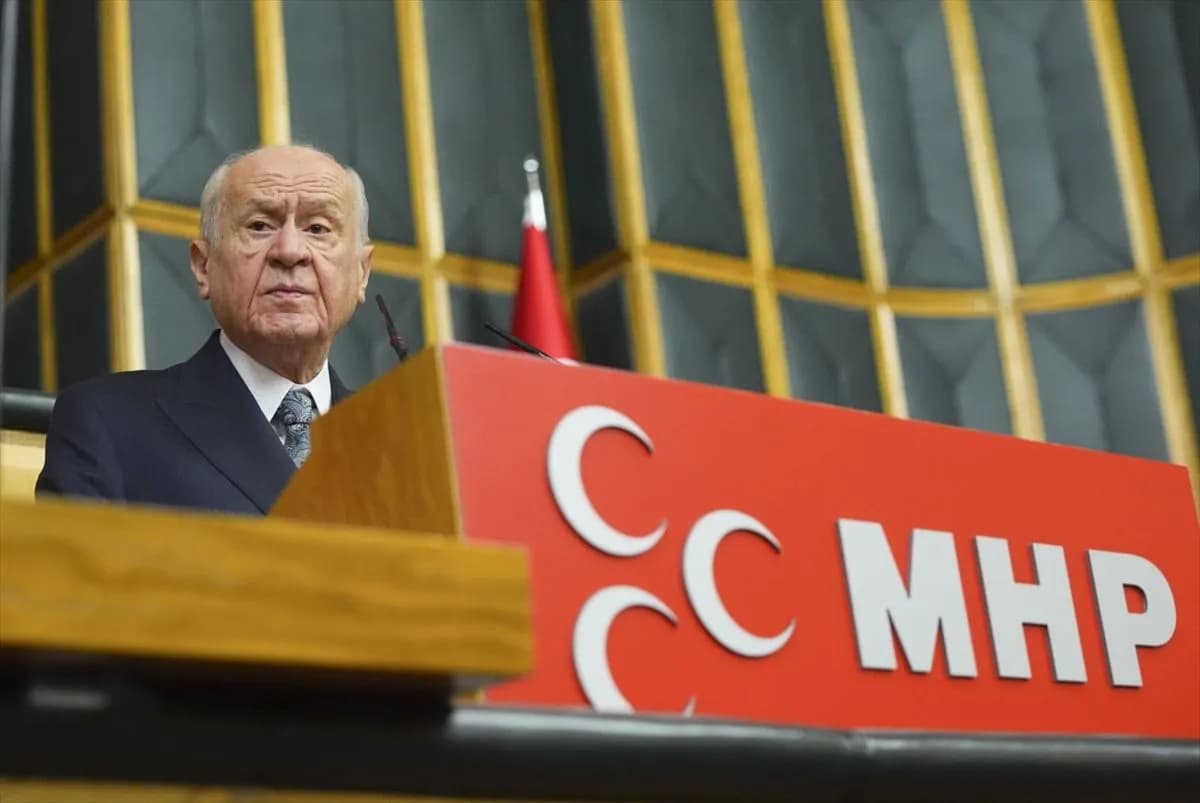
The pro-Kurdish Peoples' Equality and Democracy (DEM) Party submitted a proposal to parliament in May calling for the establishment of a commission to identify the barriers to the public use of the Kurdish language. However, the proposal was overwhelmingly rejected, with lawmakers from the ruling Justice and Development Party (AKP) and the far-right Nationalist Movement Party (MHP) voting against the measure.
For much of the 20th century, Turkey banned the Kurdish language as part of broader policies suppressing Kurdish identity and political rights. Law No. 2932, which took effect in 1983, prohibited the public and private use of Kurdish. Although the law did not explicitly mention Kurdish by name, its primary objective was to eliminate the language from public life.
Instead of giving up, Ozbay turned the obstacle into an opportunity. She now charges 900 Turkish liras (about $20) per hour for online Kurdish lessons. Students from the Netherlands, the United States, Poland, Italy, and across Turkey have enrolled in her courses.
“All of them successfully completed their courses and learned Kurdish,” she said.
Zeyneb Serhediya, a student from Istanbul who discovered Ozbay through social media, said she progressed from beginner to intermediate level within a year while also learning about Kurdish history and culture.
“The teacher recommended books tailored to my level, and honestly, my Kurdish has improved significantly. I am very grateful to my teacher,” Serhediya said.
Another student, Hakan, originally from Turkey's eastern Erzincan province but now living in the Netherlands, has been taking Ozbay's classes for several years.
“She always keeps my motivation high and teaches with great enthusiasm,” he said.
Ozbay's ultimate goal is to bring her experience into a traditional classroom and teach Kurdish children. She hopes to one day be officially appointed by Turkey's Ministry of National Education.
Turkey's current constitution, adopted after the 1980 military coup, recognizes Turkish as the country's sole official language. While Kurdish is no longer completely banned, successive governments have maintained structural restrictions that have limited its use, particularly in education.
A February 2025 Rudaw report highlighted a sharp decline in Kurdish-language fluency among younger generations, largely due to the absence of mother-tongue education in public schools.
The trend has prompted community leaders to urge parents to speak Kurdish with their children at home.
Taha Cengiz, a Kurdish cleric from the southeastern district of Silopi, echoed those concerns on Saturday, stressing that his appeal was cultural rather than political.
“This is about language, and you must speak your own language,” Cengiz said. “If the situation of the language among children and society continues like this for another 20 years, the language will cease to exist.”
Ferdi Sak contributed to this article.