
ERBIL, Kurdistan Region - Iraqi and Syrian anti-narcotics authorities foiled the smuggling of 400,000 Captagon pills from Lebanon and arrested three suspects in a joint operation, both countries announced on Thursday.
“Within the framework of international security cooperation and intelligence sharing, the General Directorate of Narcotics and Psychotropic Substances Affairs, in coordination with the Anti-Narcotics Department in the sisterly Syrian Arab Republic, succeeded in foiling the smuggling of a large shipment of narcotics coming from Lebanese territory and heading to neighboring countries,” Iraq’s anti-narcotics directorate said in a statement.
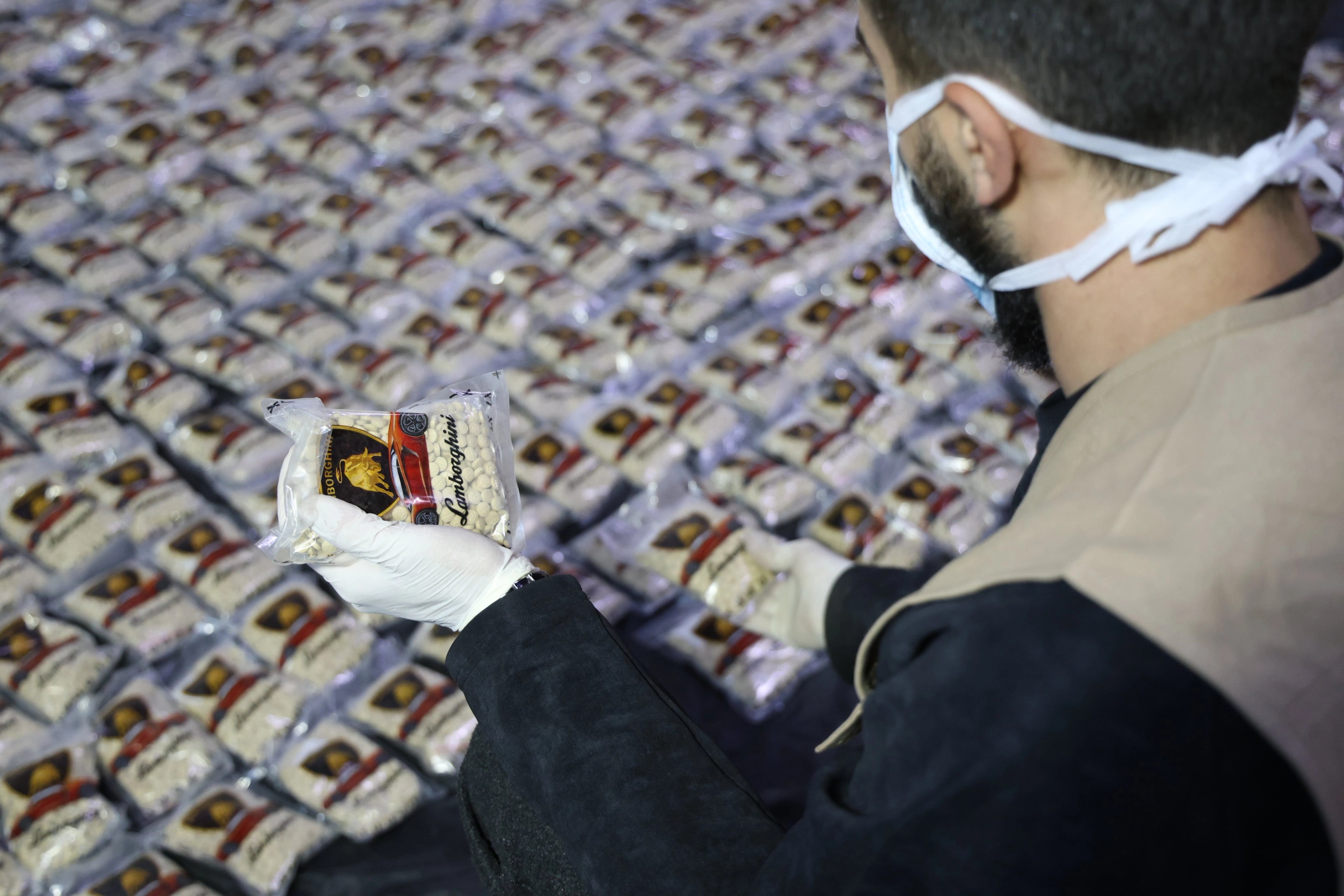
“The operation resulted in the seizure of 400,000 Captagon narcotic pills, as well as the arrest of three members of the criminal network involved in the smuggling operation,” the directorate added, with the Syrian Anti-Narcotics Department confirming and identifying the suspects by their initials as J.S., A.S. and S.S.
The bust comes as the two neighboring countries intensify operations to curb cross-border narcotics trafficking under their respective war on drugs initiatives, with Iraq confronting its role as a major regional transit corridor and Syria moving to dismantle the vast Captagon production and smuggling apparatus inherited from its former regime.
To counter rising domestic consumption and a surge in narcotics from neighboring countries, Iraqi authorities have intensified their campaign against domestic and cross-border drug trafficking, with security bodies establishing 36 liaison channels with foreign counterparts.
Iraq seized approximately 2.8 tons of narcotics between January and October 2026, according to figures released late last month by Interior Ministry spokesperson Miqdad Miri.
During the same period, Iraqi courts issued sentences against 6,045 defendants in drug-related cases, including 348 life sentences and 86 death sentences.
Earlier this month, Iraqi Interior Minister Yasser al-Maliki announced the “launch of our war against drugs and their trafficking,” adding that the campaign aims to “protect our society from the dangers of these deadly poisons.”
The narcotics directorate has also expanded public awareness programs targeting young adults through university seminars, social media campaigns, posters and television advertisements.
On the Syrian side, the operation follows months of intensified efforts against cross-border networks after a late September meeting between Syrian officials and the director of the UN Office on Drugs and Crime (UNODC) Division of Operations to expand technical assistance.
Captagon, an addictive amphetamine-type stimulant, has long fueled a regional public health and security crisis.
Stemming the cross-border flow remains a formidable challenge, particularly around the Lebanese border, where smugglers exploit the border with Jordan to access trafficking routes previously established under the former regime to markets in Saudi Arabia.