
ERBIL, Kurdistan Region – Two prominent Kurdish universities, including the largest higher education institution in the Kurdish-held areas (Rojava), have rejected decisions by Syria’s Ministry of Higher Education to merge into the country’s university system, demanding that their academic autonomy, Kurdish identity, and existing departments be preserved.
The measures form part of Damascus’ ongoing implementation to bring institutions established under the Kurdish-led administration under the umbrella of national frameworks following a late January agreement between the Democratic Autonomous Administration of North and East Syria (DAANES) governing Rojava and the interim authorities in Damascus.
The agreement has in recent weeks become a focal point of negotiations over the future of Kurdish-administered institutions and the extent of their autonomy.
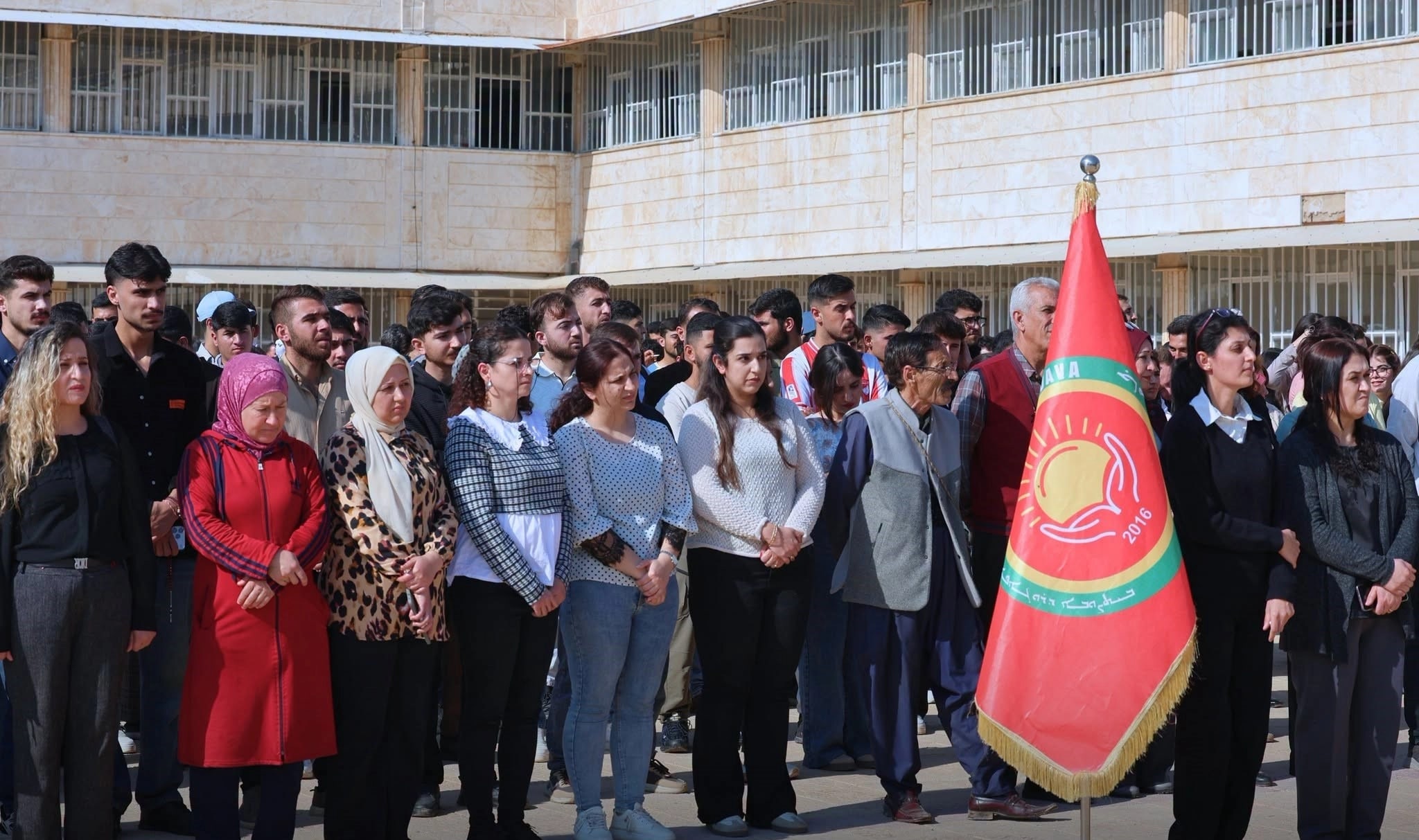
In a statement issued Monday, the Rojava University Council said that while the university had been open to the integration process from its onset, the ministry’s latest decisions “did not meet our expectations in any way and did not respond to our legitimate demands” and “are completely far from the academic, social and historical reality of our region.”
The council stressed that the university’s identity and current status must remain intact during the academic year while discussions continue toward a mutually agreed arrangement.
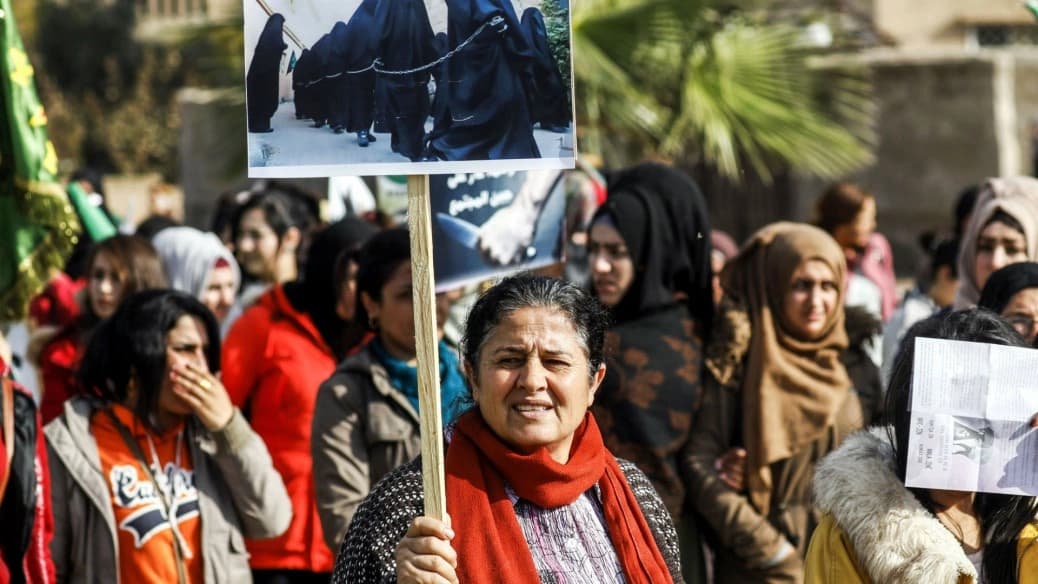
Separately, Kobane University students and staff rejected a decision by Syria’s interim government to merge the institution with the University of Aleppo, demanding that no fundamental changes be imposed without consulting the university community, Hawar News Agency (ANHA), affiliated with Rojava authorities, reported Monday.
In a statement delivered outside the university campus, faculty members and students categorically opposed incorporating Kobane University as a campus of the University of Aleppo or changing its name, administrative structure, or curriculum.
“Kobane and Rojava universities are not merely names, but an academic identity, a cultural uniqueness, and an educational right worthy of respect and protection,” the statement said.
The dispute follows a late October announcement by Syria’s Ministry of Higher Education and Scientific Research stating the Council of Higher Education’s approval to merge several universities with the aim of “unifying the regulatory authority of higher education institutions in the Syrian Arab Republic.”
The decisions, adopted during a council session earlier in the month, included merging Rojava University in Qamishli into al-Furat University and affiliating its faculties with the state-run institution and merging Kobane University into the University of Aleppo, thereby placing its faculties under Aleppo University’s authority.
In its Monday statement, the Rojava University Council called on the ministry to recognize the university’s “Kurdish character” and guarantee that no academic departments are closed, and preserve the specializations established to meet the region’s educational and practical needs.
The council also warned that an abrupt transition to Arabic-only instruction would create considerable difficulties for Kurdish students who have studied in their mother tongue for the past 12 years.
It further cited the region’s deteriorating economic conditions, saying students and their families could not afford the costs of pursuing higher education in other Syrian governorates.
Kurdish leaders have made constitutional recognition of the Kurdish language, particularly its use in education, a central demand in the negotiations, seeking to safeguard linguistic and cultural rights developed during more than a decade of autonomous administration.
Since 2011, Kurdish authorities have operated a separate education system in northeast Syria, replacing the former state curriculum and introducing Kurdish as a language of instruction.
In July, Syrian Higher Education Minister Marwan al-Halabi visited Rojava University and announced plans to gradually integrate it with state-run al-Furat University.
Accompanied by Hasaka Governor Nour al-Din Ahmad, Halabi said a specialized national committee would oversee the process, beginning with an assessment of students, academic programs, staff, and infrastructure, followed by the alignment of curriculum and academic standards. He said at the time the process would ensure that “no academic year or scientific effort is lost.”
The proposal followed earlier steps by Damascus to bring universities established under the Kurdish-led administration into the national education system.
In February, the ministry announced the formation of a committee to oversee the merger of Al-Sharq University, established in 2021 by the Democratic Autonomous Administration of North and East Syria (DAANES), with an Al-Furat University branch in Raqqa.
Damascus said previous certificates issued by Al-Sharq University would be recognized under existing legal frameworks, while a separate agreement reached in June allowed students in the region to sit national examinations and obtain government-recognized certificates.