ERBIL, Kurdistan Region - UN Secretary-General António Guterres' recent landmark visit to Syria has drawn criticism from Kurdish officials after he was unable to meet with the Syrian Democratic Forces (SDF) commander Mazloum Abdi or any representatives of the Kurdish-led administration in the first visit by a UN chief to the country in 17 years.
Deputy UN Chief Spokesperson Farhan Haq told Rudaw's Namo Abdulla that Guterres was unable to visit Rojava or meet with SDF commander Mazloum Abdi due to "scheduling constraints" but that he did meet with "a diverse range of the ethnic groups of Syria" while in Damascus.
"There were scheduling constraints, so he wasn't able to travel as widely throughout the country. He basically went to Damascus and then after that, he returned yesterday to Jordan," Haq said.
When pressed on whether Guterres had attempted to arrange a meeting with Abdi, Haq replied that "He wasn't able to make all the meetings that he would have, had his stay been longer,” and that “he tried” to “meet as diverse a group of Syrians as he could."
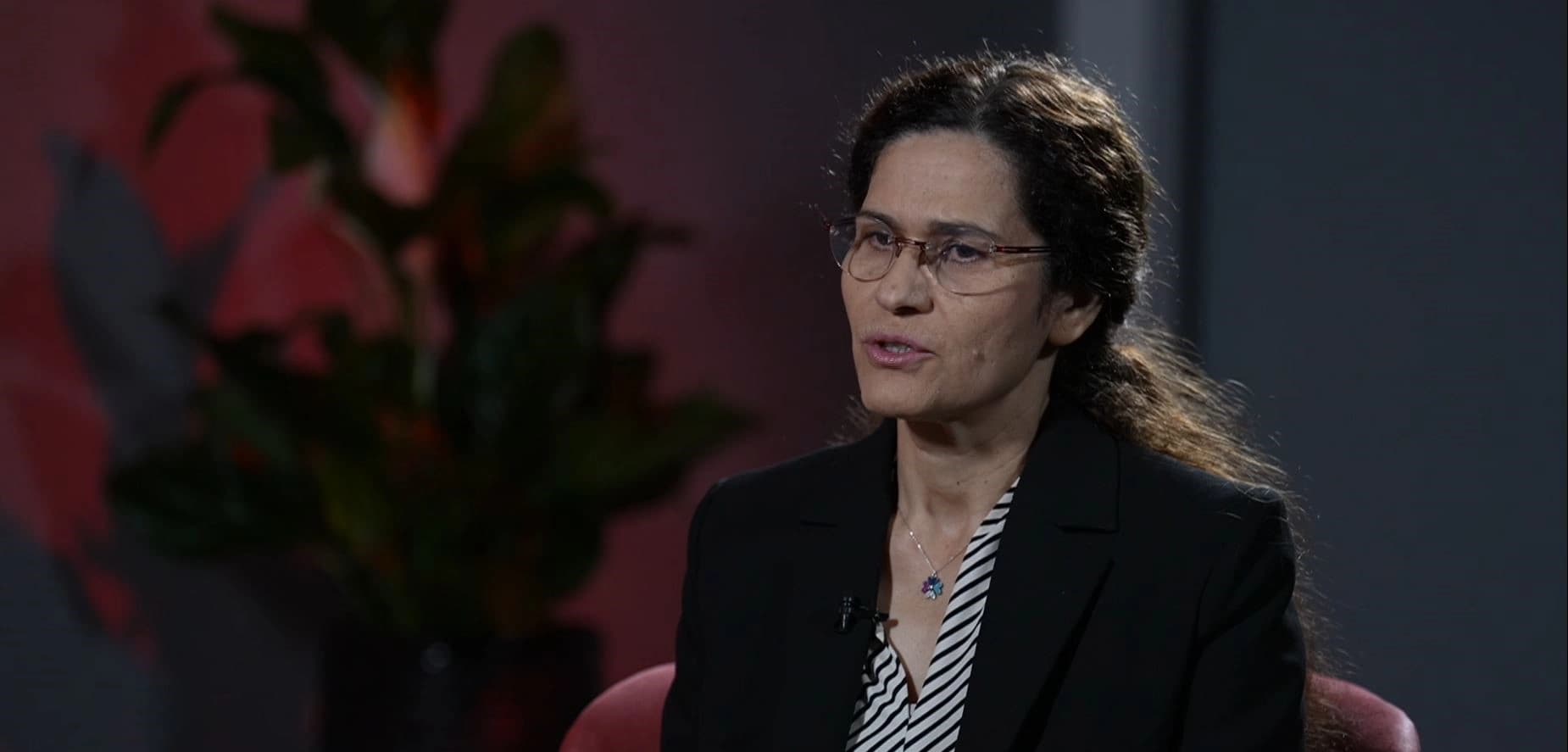
A senior official from northeast Syria (Rojava), speaking to Rudaw on condition of anonymity, said the Kurdish administration was disappointed that the UN did not invite Abdi to Damascus for talks.
"It is so important for the UN Secretary-General to meet with General Mazloum to hear about how the integration process and how it is going," the official said.
The visit also drew criticism over the absence of Kurdish media from Guterres' joint press conference in Damascus. According to Rudaw's correspondent in the Syrian capital, Kurdish media outlets were not invited by the Syrian authorities to attend the event.
As a result, no questions about Kurdish issues were raised during the press conference.
The only related topic came when an Egyptian journalist asked about the SDF, prompting Guterres to describe the reunification agreement between the Kurdish-led force and Damascus as a "significant success."
"I came to Syria to listen with humility, respect, and a clear message: United Nations stands with the people of Syria at this pivotal moment," Guterres said during the press conference.
The controversy comes amid growing Kurdish concerns over their future in post-war Syria.
A senior Syrian government official recently told Rudaw that Damascus plans to rename Rojava University in Hasaka province and remove Kurdish as one of the university's primary languages of instruction.
The reported plans have sparked concern among Kurdish communities, who fear they could signal a broader reversal of Kurdish cultural and educational rights as Syria's new authorities consolidate control.