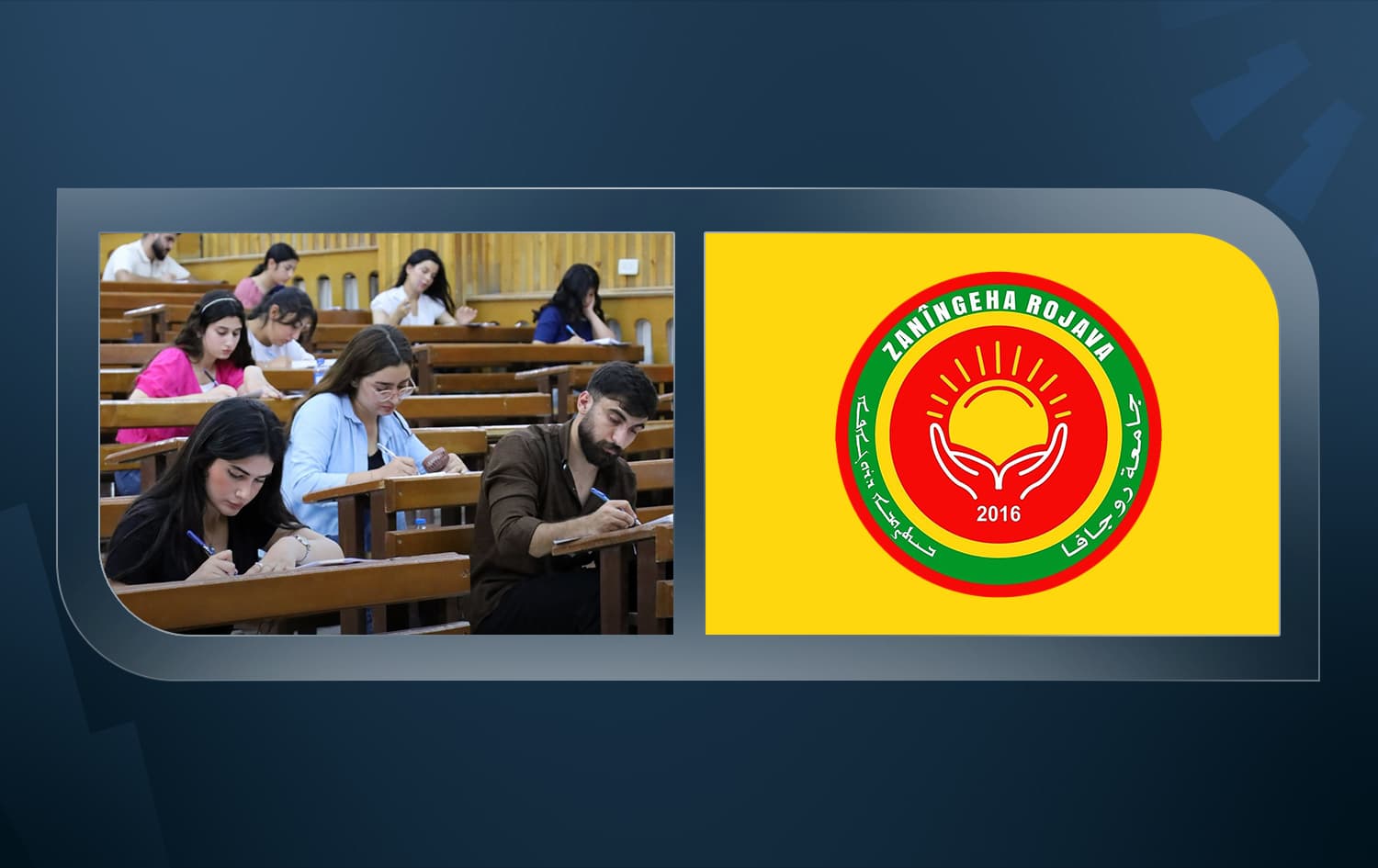

ERBIL, Kurdistan Region - Syria's interim government plans to rename Rojava University, the main institution of higher education in the Kurdish-majority region of northeast Syria (Rojava), a presidential envoy revealed on Monday.
A recent visit by Syria's higher education minister to Rojava University had been viewed as a positive sign for relations between the Kurdish administration and the interim government in Damascus. But a statement from the minister following the visit upended that view: he revealed plans to merge the university with a public institution. An unnamed official at the Kurdish university told local media they would not accept any change to its structure.
Rojava University was established in Qamishli in July 2016 with curricula spanning medicine, engineering, sciences, arts, and humanities, and grew out of the Rojava Revolution amid Syria's ongoing conflict. The university has never been formally recognized by Damascus or most international accrediting bodies - a gap Kurdish officials are now trying to close.
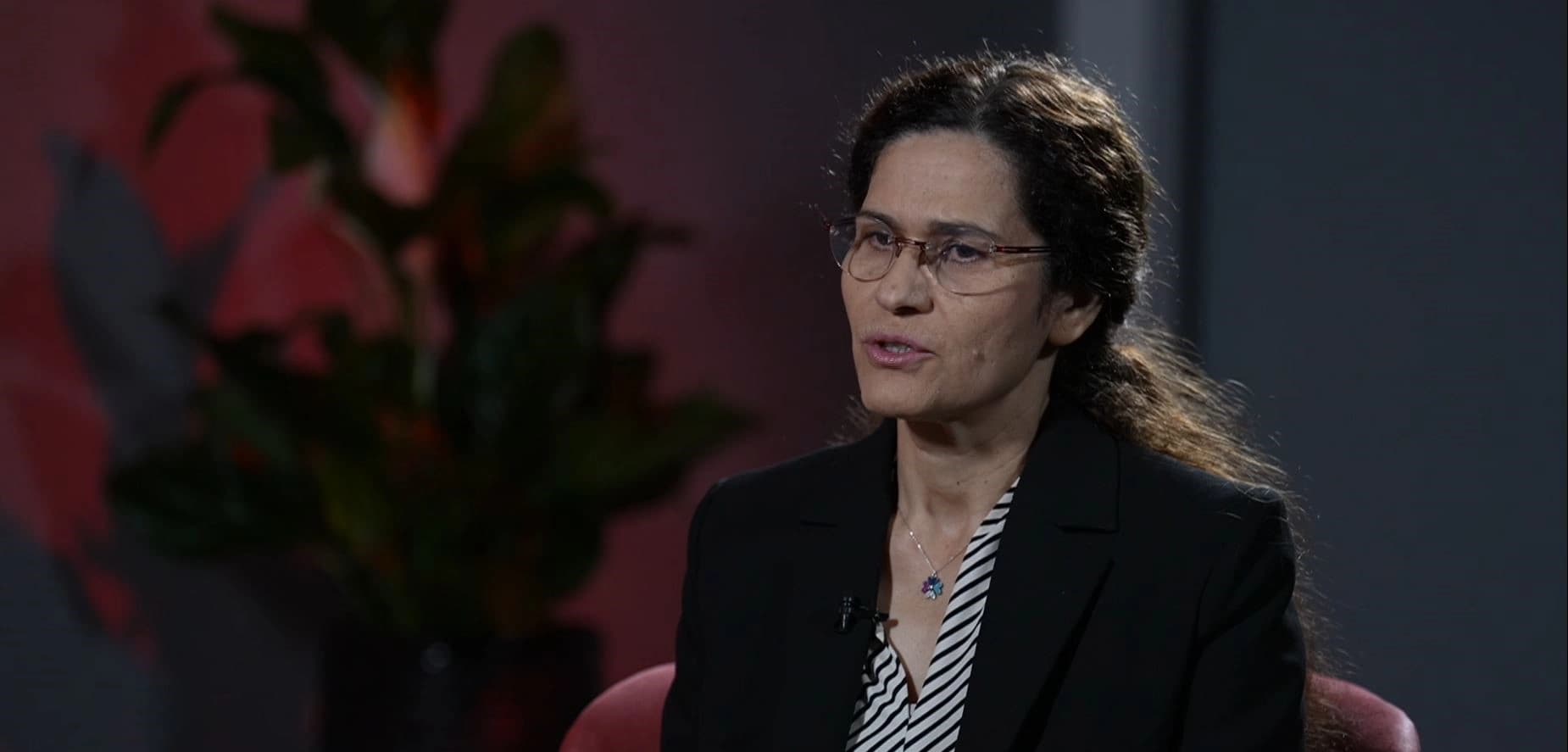
Ahmed al-Hilali, a member of the presidential delegation handling Rojava's integration into state institutions under the January agreement between the Kurdish administration and Damascus, confirmed to Rudaw's Nalin Hassan on Monday that the government plans to change the university's name.
"An appropriate name will be adopted for it that reflects the unifying national identity of all the people of Hasaka province," said Hilali, who is also deputy governor of Hasaka province, noting that the primary languages of instruction at the university are Arabic and English.
The push comes as Kurdish lawmakers and politicians affiliated with the region's administration seek to formalize Rojava University's status, in a bid to improve access to public-sector employment and higher education for Kurdish students.
Syria's Higher Education Minister Marwan al-Halabi said last week that the government plans to merge Rojava University with al-Furat University, a public university based mainly in Deir ez-Zor with a campus in Hasaka as well. He called the move a "fair academic transition and unification of standards within a stable national university system."
The merger would proceed in two phases, according to the minister. The first - assessment and documentation - involves "a comprehensive survey of students, programs, staff, and infrastructure" to ensure "no academic year or scientific effort is lost."