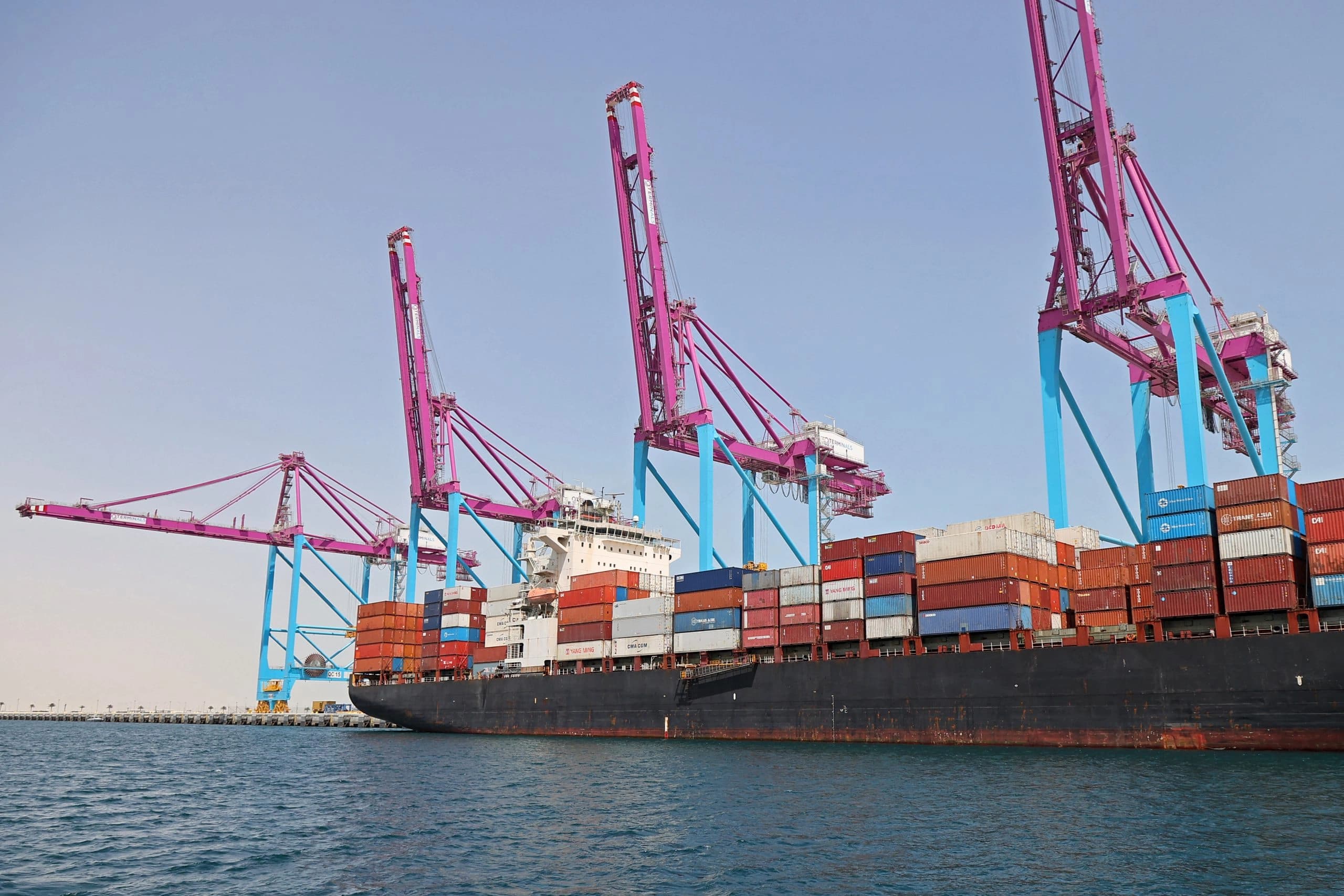

ERBIL, Kurdistan Region - The United Arab Emirates has returned more than 200 refrigerated containers carrying Iranian agricultural products, leaving around 4,000 tons of agricultural products stranded on an Iranian island near the Strait of Hormuz as Washington’s economic campaign against Tehran gains momentum.
Reza Nourani, head of Iran’s National Agricultural Products Association, said the 40-foot trucks contained Iranian fruit, vegetables and other produce worth around $3 million and are currently stranded near Abu Musa Island.
The UAE has not publicly explained why the shipments were rejected, and there is no evidence yet that the decision was directly prompted by sanctions.
“Every hour of delay could turn part of the capital of producers and exporters into spoiled goods,” Nourani was quoted by Farsnews as saying, adding that the dispute could inflict heavy losses on farmers and damage confidence in Iranian agricultural exports.
The setback comes as Washington intensifies its campaign to isolate Iran economically. Under its Operation Economic Outcast, the US Treasury has targeted banks, airlines, companies and financial networks accused of helping Tehran circumvent sanctions for years.
The economic embargo on Iran came several months after intensive aerial bombardment of Iran and tit-for-tat strikes in the Strait of Hormuz between the US and Iran.
The pressure is increasingly being felt through regional financial centers. Turkey on Friday revoked the operating license of the Istanbul branch of Iran’s Bank Mellat following a series of US measures aimed at restricting Tehran’s access to the international financial system.
Washington has also moved against financial channels in the UAE. In August, the US Treasury proposed cutting Banque Misr UAE off from correspondent banking access in the United States, accusing it of processing billions of dollars in transactions potentially linked to Iran. The measure targets the UAE subsidiary of Egypt’s Banque Misr rather than the Egyptian banking system as a whole.
Abu Dhabi in August suspended trade with Iran and halted all commercial and financial transactions indefinitely after the Islamic Revolutionary Guard Corps (IRGC) fired more than 3,000 drones and missiles at the Gulf state since the outbreak of the year on February 28.
However, diplomatic contacts have not been completely severed. Iranian President Masoud Pezeshkian met Abu Dhabi Crown Prince Sheikh Khaled bin Mohamed bin Zayed on the sidelines of the BRICS summit earlier this month - their highest-level engagement since the war began.
The returned agricultural shipments are another sign of Iran’s deteriorating relations with its neighbors in the past several months with palpable impacts on average Iranians who continue to grapple with a soaring cost of living and rapid currency devaluation.
For Iranian farmers, the disruption presents an added layer of detriment: fresh produce only has a limited shelf life, leaving exporters with little time to find alternative markets before entire shipments become worthless.