
ERBIL, Kurdistan Region - A planned summit in Oman between Iran and six Arab states focusing on the Strait of Hormuz has been postponed to build regional consensus, Omani Foreign Minister Badr Albusaidi announced on Sunday.
The meeting, originally scheduled for Monday in the southern Omani city of Salalah, was delayed by mutual agreement, according to the Iranian Foreign Ministry.
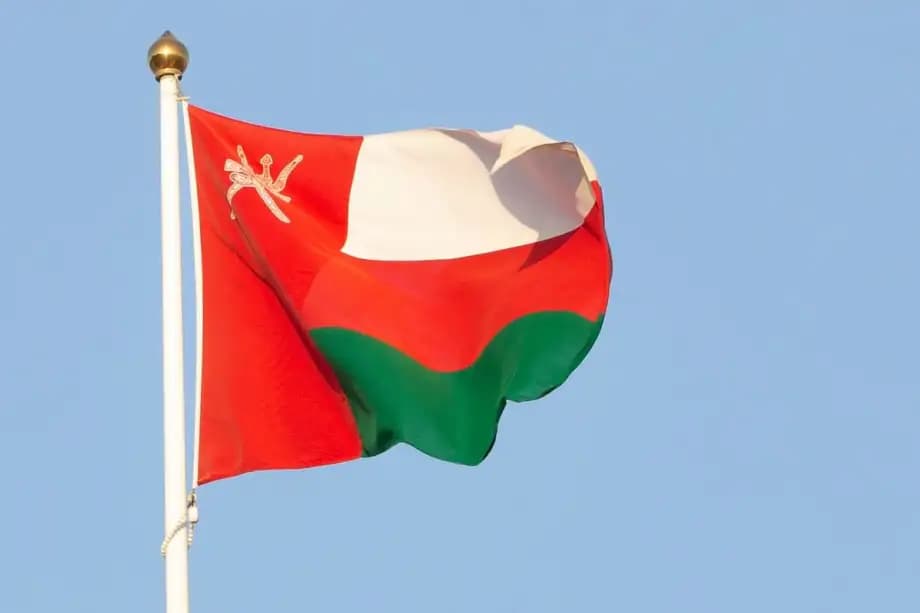
“We remain committed to fostering dialogue that supports stability and lasting cooperation in our region,” Albusaidi said in a post on X, inserting the flag emojis of Oman, Iran, Iraq, Saudi Arabia, Qatar, Bahrain, and the United Arab Emirates.
State-run Islamic Republic of Iran Broadcasting (IRIB), citing an official from the Iranian foreign ministry, reported that the postponement was “at the request of several regional countries and by joint decision” between Tehran and Muscat.
“The Islamic Republic of Iran, in close consultation with Oman, will make the necessary arrangements regarding an appropriate time to convene the meeting,” the statement added.
Earlier on Sunday, Iranian Foreign Minister Abbas Araghchi stated that the summit would “focus extensively on new maritime arrangements in the Strait of Hormuz.”
In an interview Friday with the London-based The New Arab, Araghchi said Tehran and Muscat had agreed on a new transit route, preparing relevant maps and a joint statement to be presented to participating nations before submission to the International Maritime Organization (IMO).
However, Araghchi clarified that the bilateral agreement does not equate to reopening the strategic waterway, explaining that it merely establishes a framework for traffic should conditions for reopening be met.
Following the announcement, Gulf Cooperation Council (GCC) foreign ministers engaged in diplomatic consultations. Saudi Foreign Minister Prince Faisal bin Farhan received a phone call from his Emirati counterpart, Sheikh Abdullah bin Zayed Al Nahyan, with discussions focusing on regional developments and efforts to contain escalation.
Amid the diplomatic shifts, the Saudi-backed internationally recognized government in Yemen has recently lost significant territory to the Houthi movement, which captured critical coastal positions along Yemen’s western Red Sea coast and the Bab al-Mandeb Strait.
Oman has served as a key mediator between Iran and the United States since conflict erupted on February 28, when US and Israeli forces launched a military campaign against Iran. Despite a ceasefire brokered in April and extended via an Islamabad memorandum of understanding (MoU) in June, the two nations have experienced frequent tit-for-tat escalations, including a 13-day exchange starting July 8.
The Strait of Hormuz - through which a major share of Middle Eastern oil and gas transits - remains at the center of hostilities. Tehran has claimed control over the waterway and conditioned its restoration to pre-war status on US adherence to the Islamabad MoU, which includes ending hostilities, releasing frozen Iranian funds, and lifting the maritime blockade on southern Iranian ports imposed in mid-July.
“The reopening of the Strait of Hormuz is conditional on the United States returning to and fulfilling its commitments” under the Islamabad MoU, Araghchi said.
In late August, Albusaidi and Araghchi proposed a framework for a “temporary joint maritime corridor” through the strait, incorporating mine-clearing provisions outlined in clause 5 of the June MoU.