
ERBIL, Kurdistan Region - Saudi Arabia on Tuesday condemned the attacks by Yemen’s Ansarullah Movement, better known as the Houthis, on at least three of the Kingdom's provinces that “left 73 civilians injured.” This comes after the Iran-backed group said it struck vital Saudi facilities with “dozens of ballistic missiles and drones,” allegedly in response to more than 120 strikes carried out by the Saudi-led coalition on Yemeni provinces over the past few days.
Riyadh's foreign ministry condemned, "in the strongest possible terms, the terrorist Houthi militia’s targeting of civilian and economic assets in Abha and Khamis Mushait [in the southwestern Asir province], and in Jizan and Najran [in the southwestern Jizan and Najran provinces as well].”
The attacks “resulted in the injury of seventy-three civilians, including women and children,” the ministry said, also denouncing the Houthis' “continued targeting of commercial vessels in the Red Sea and the threat it poses to the freedom of international maritime navigation.”
The Kingdom "reiterated its absolute rejection" of the Houthis’ “hostile approach and criminal conduct” that threatens the security and stability of Yemen and the wider region, "as well as its continuous rejection of all peace efforts,” the ministry added.
Moreover, Riyadh affirmed “its legitimate right to take all necessary measures to defend its sovereignty and safeguard its national assets,” warning against the consequences of continued Houthi attacks on “civilians and civilian infrastructure” and calling for "an immediate cessation of all forms of escalation.”
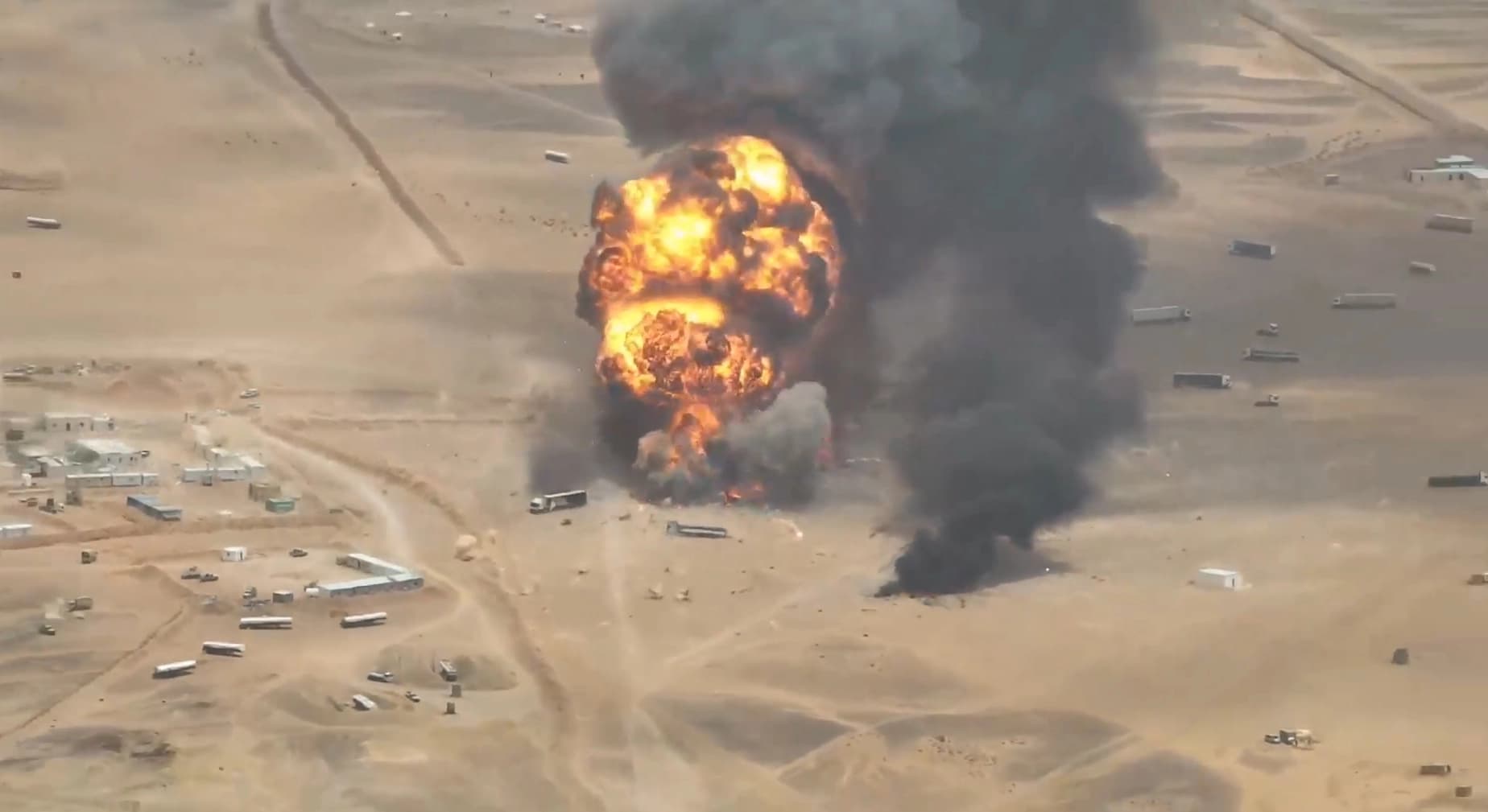
While the ministry did not specify the nature of the infrastructure targeted, the state-run Saudi Press Agency (SPA) on Tuesday cited an official source at Riyadh’s energy ministry as saying that "a number of facilities and installations within the energy sector in the Kingdom's southern region" were hit, causing "a temporary suspension of certain operational activities."
The source added that "the attacks left a number of citizens and residents with injuries of varying severity," while "specialized teams worked to contain fires, secure the sites, and assess the damage," with "monitoring efforts" still ongoing.
For their part, the Houthis on Tuesday said they "carried out a qualitative and widespread military operation" targeting Saudi Aramco facilities in Abha and Najran, as well as the Aramco Jizan refinery and the Jizan Economic City - a multi-billion dollar energy hub on the Red Sea coast - as well as an “air base” in Khamis Mushait. The Iran-backed group said it used “dozens of ballistic missiles and drones” in its assault, claiming to have caused “major damage to those facilities.”
The Houthis alleged that the attacks were in response to the Saudi-led coalition, aligned with the Aden-based Internationally Recognized Government (IRG) in Yemen, of launching a “brutal aggression against our people with 121 airstrikes originating from King Khalid Air Base in Khamis Mushait and King Fahd Air Base in Taif.”
"These strikes targeted the provinces of Marib, al-Bayda, al-Hudaydah, Taiz, and al-Jawf," the Houthis claimed, adding that the bombardment killed a large number of people, while vowing a "firm response" and "broader and harsher strikes" in retaliation to "every attack on our country and people."
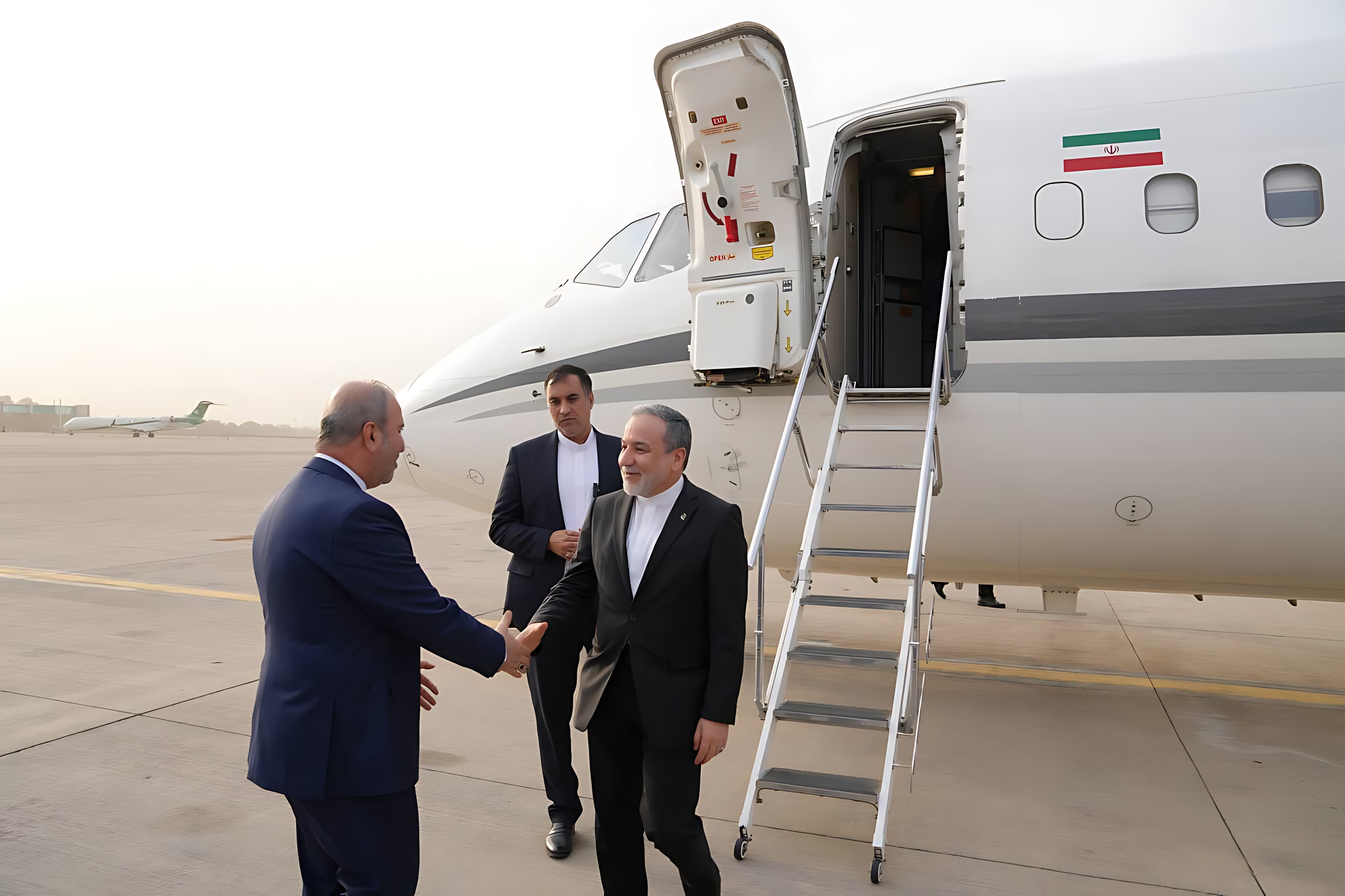
The latest round of escalation between Saudi Arabia and the Iran-backed group began in mid-July, when the IRG disabled the runway at the Houthi-controlled Sana’a International Airport to prevent an Iranian aircraft from landing.
In response, the Houthis launched ballistic missiles and drones at Abha International Airport and announced a blockade on Saudi shipping through the Red Sea, framing it as a "siege for siege" - a reference to what they claim is a Saudi blockade on their ports, an accusation Riyadh has categorically denied.
The escalation marks the first of its kind since an informal truce between the two sides took hold in 2022.