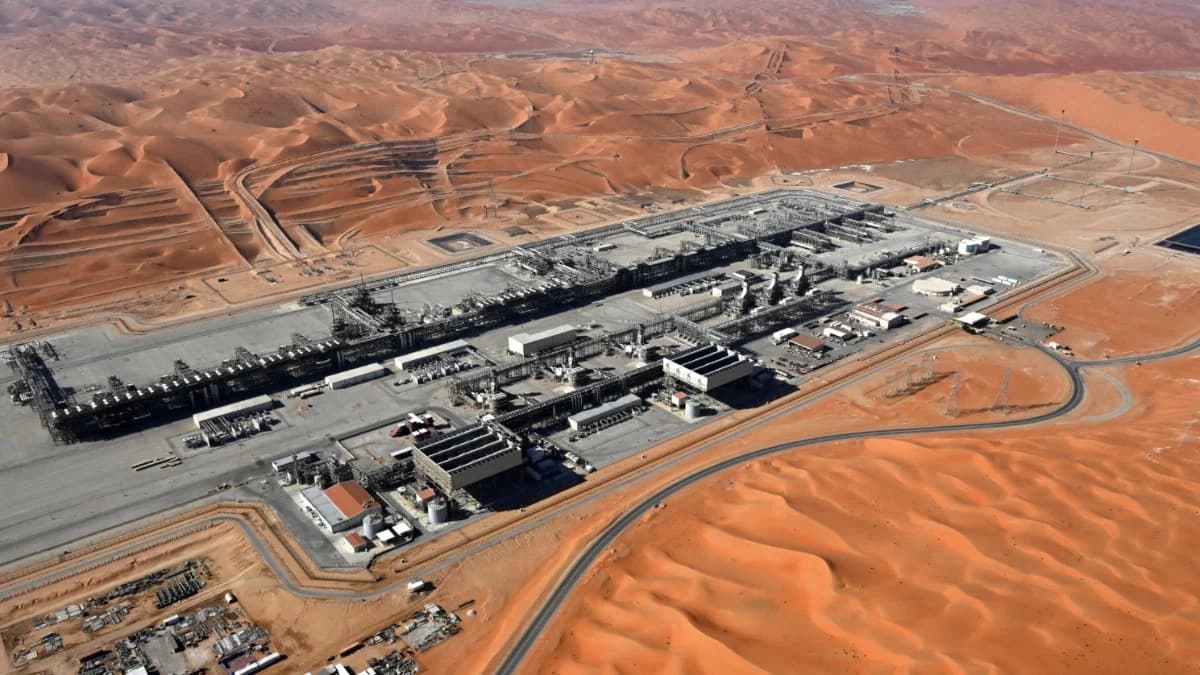

ERBIL, Kurdistan Region - Saudi Arabia's East-West oil pipeline was targeted on Monday, causing a fire quickly extinguished by emergency teams, Saudi state-media reported, without identifying who was behind the attack.
“No injuries or deaths were reported, and the incident did not affect the pipeline's operations,” Saudi Press Agency (SPA) reported Monday, citing a source at the Ministry of Energy.
The East-West Pipeline, operated by state-owned oil giant Saudi Aramco, transports crude oil from Saudi Arabia's eastern oil-producing region to Yanbu on the Red Sea coast, providing an alternative export route that bypasses the Strait of Hormuz. The pipeline can transport up to seven million barrels per day.
The pipeline has taken on increased importance since the outbreak of the US-Iran war disrupted oil shipments through the Strait of Hormuz, a major global shipping route through which around a quarter of the world's seaborne oil trade transited before the war.
Aramco said in May that its East-West Pipeline had reached its maximum capacity of seven million barrels per day during the first quarter of 2026, supporting crude oil exports through the kingdom's western coast.
The attack came a day after an administrative building belonging to Saudi oil giant Aramco in Riyadh sustained damage in an attempted attack on Sunday, with falling shrapnel causing limited damage but no injuries or fatalities, Saudi Arabia's Ministry of Energy said in a post on X.
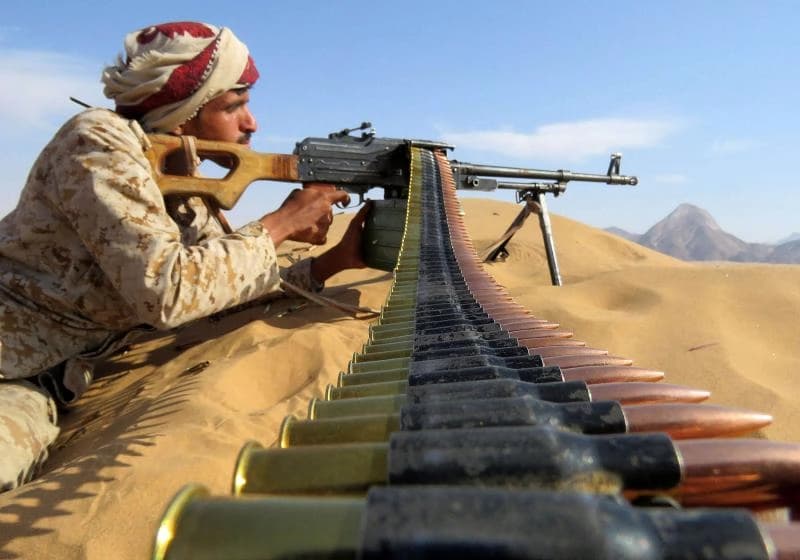
Iran-backed Houthis in Yemen, formally known as the Ansarullah Movement, said they had carried out four military operations targeting Saudi Arabia, listing Riyadh's King Abdullah Financial District (KAFD), the capital's airport, Aramco oil storage facilities and the eastern city of Abqaiq among its targets. The state-owned Saudi Press Agency (SPA), citing the energy ministry, confirmed that “falling shrapnel” caused “minor damage” to an Aramco skyscraper in Riyadh but resulted in no injuries.
The Houthis are an Iran-aligned political and military movement and are a key component of Iran's regional alliance known as the “Axis of Resistance.”
The latest wider round of escalation with the Houthis began in mid-July, when the Saudi-aligned internationally recognized government in Aden disabled a runway at Houthi-controlled Sanaa International Airport to prevent an Iranian aircraft from landing.
The Houthis then launched ballistic missiles and drones at Abha International Airport and announced a blockade of Saudi shipping in the Red Sea, framing it as “siege for siege,” a reference to what they describe as a Saudi blockade of their ports.
Riyadh categorically denied the latter accusation. In response, Saudi-led coalition warplanes struck Hodeidah Port, while the Yemeni government's air force carried out strikes on Houthi missile and drone sites in Marib and Jawf.
In September, the Iran-aligned group launched a broad offensive across western Yemen, capturing the strategic Hodeidah districts of Hays and Khawkhah before advancing on the Red Sea port city of Mokha, Perim, and the Hanish Islands, taking control of Yemen’s entire Red Sea coastline and strengthening their leverage over international shipping lanes critical to Saudi Arabia's oil exports.
The Houthis also struck economic and military sites in the Kingdom's southern cities, including Abha, Jizan, and Khamis Mushait, causing fires and injuries.
Attacks on the 1,200-kilometer East-West Pipeline prompted Saudi Arabia to initiate a shutdown as a precaution for 11 days before it resumed in partial capacity. Several people were injured, state media (SPA) reported, citing a source at the Saudi Ministry of Energy.
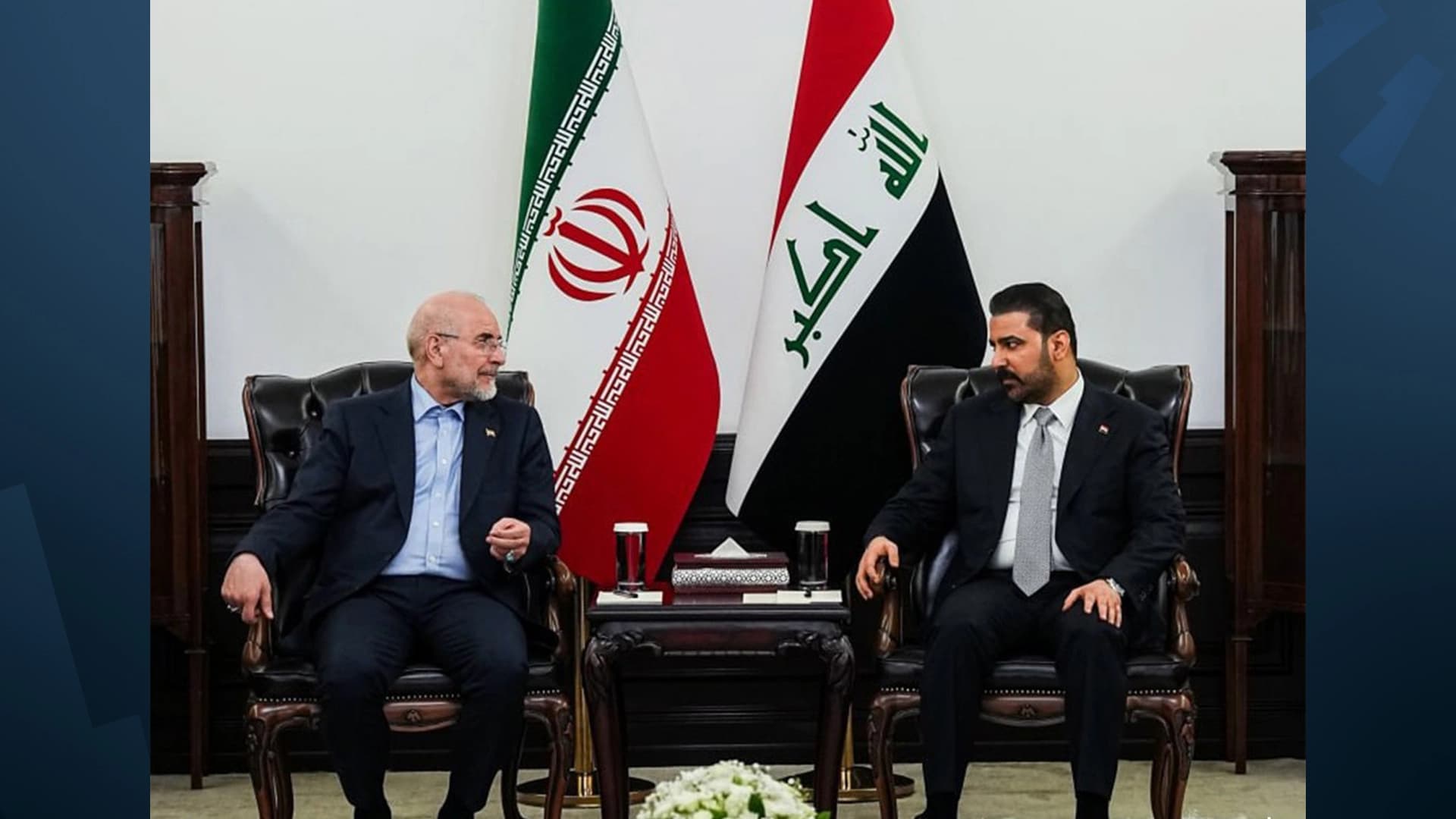
Saudi Arabia later condemned the attacks, adding that it originated from Iraqi territory according to state media. Baghdad confirmed the attack originated from their soil.