ERBIL, Kurdistan Region - Syria’s state news agency SANA confirmed late Sunday that senior Syrian and Israeli officials held a US-mediated meeting in Jordan aimed at de-escalating tensions, following a series of Israeli strikes on Syrian territory and growing friction between Israel and Turkey.
The meeting brought together a Syrian delegation headed by Foreign Minister Asaad al-Shaibani and including the heads of the country’s General Intelligence and Military Intelligence services with a high-level Israeli delegation, SANA reported, citing a diplomatic source at the Syrian foreign ministry.
Axios had earlier reported that the meeting took place on Sunday, identifying Mossad chief Roman Gofman as heading the Israeli side.
According to SANA, the discussions focused on establishing mechanisms to halt Israeli attacks, arrests and targeting operations in Syria and on reviving negotiations toward a security agreement that could pave the way for a broader deal.
Damascus stressed during the talks that it has the right to rebuild and develop its military and determine its own alliances, rejecting arrangements that would restrict what it considers its sovereign rights.
The Syrian delegation also called for Israeli forces to withdraw to positions held before December 8, 2024, when longtime president Bashar al-Assad was ousted, and for the full implementation of the 1974 Disengagement Agreement. Damascus reiterated that it considers the Israeli-occupied Golan Heights Syrian territory but said discussions over its final status were premature.
The talks also addressed growing tensions between Israel and Turkey, with the sides discussing efforts to prevent their differences from spilling over into Syrian territory, according to SANA.
The meeting comes less than a week after Israel struck the Abu al-Duhur airbase in northwest Syria, saying Damascus was preparing to allow Turkish troops to deploy at the facility and that their presence would threaten Israeli security. Syria and Turkey rejected claims that a permanent Turkish military deployment was planned.
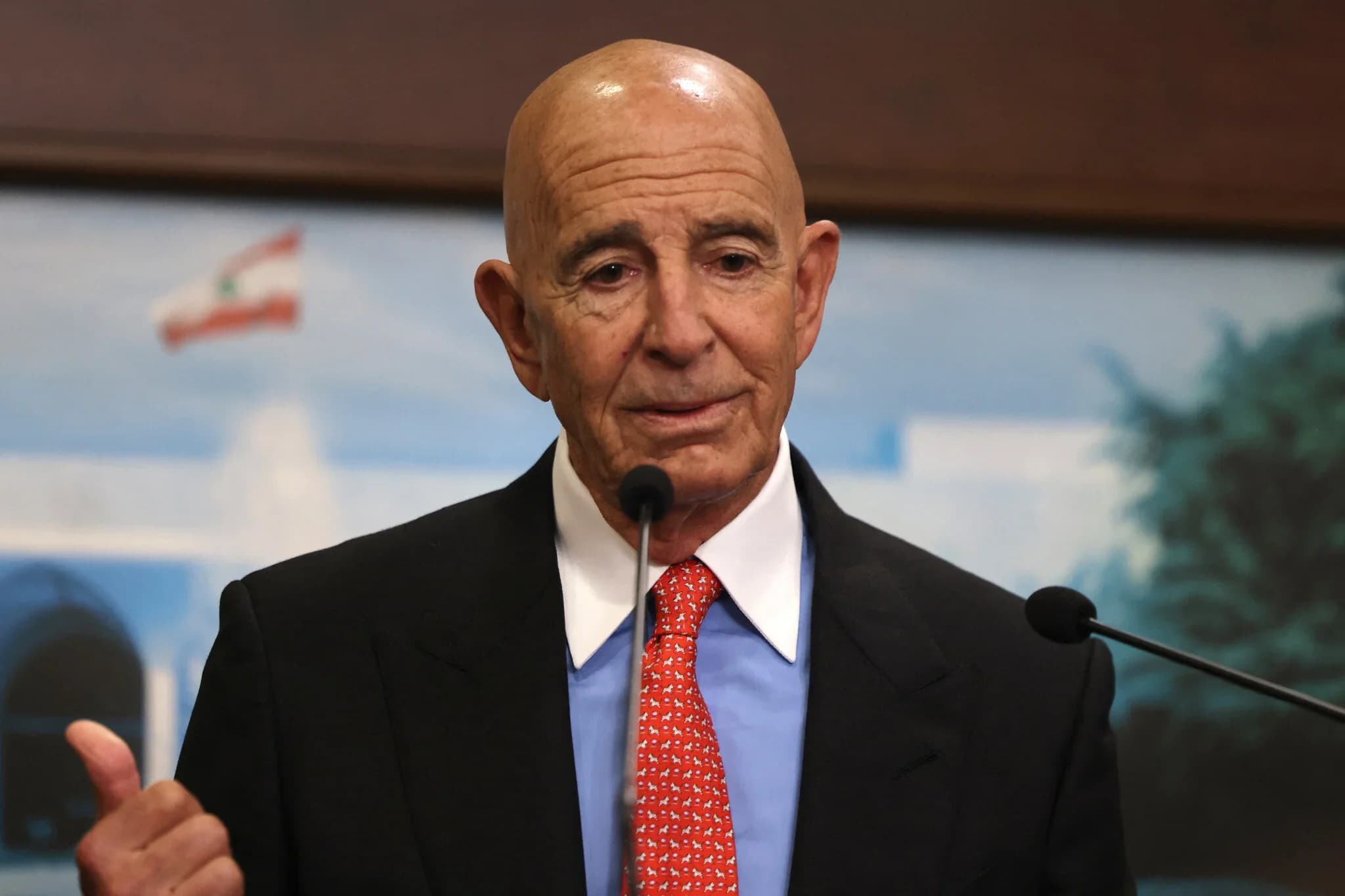
US special envoy Tom Barrack described the attack on Abu al-Duhur as an “unnecessary escalation” and said Washington was working on a deconfliction mechanism involving Israel, Syria and Turkey.
Tensions escalated further on Saturday when Damascus accused Israel of carrying out a drone strike on a vehicle southwest of the capital, causing civilian casualties. Syria denounced the attack as a violation of its sovereignty.
Israel has carried out repeated strikes in Syria and seized territory in the country’s southwest since Assad’s fall, citing security concerns over the new authorities and saying it also seeks to protect Syria’s Druze minority. Turkey, meanwhile, has emerged as a key ally of President Ahmed al-Sharaa’s government and has supported efforts to rebuild the Syrian military, fueling Israeli concerns about Ankara’s expanding influence.
Syria and Israel have held several rounds of US-mediated negotiations over the past year. In January, talks in Paris resulted in an agreement to establish a communication mechanism for coordinating security, intelligence and other issues, but negotiations later stalled.