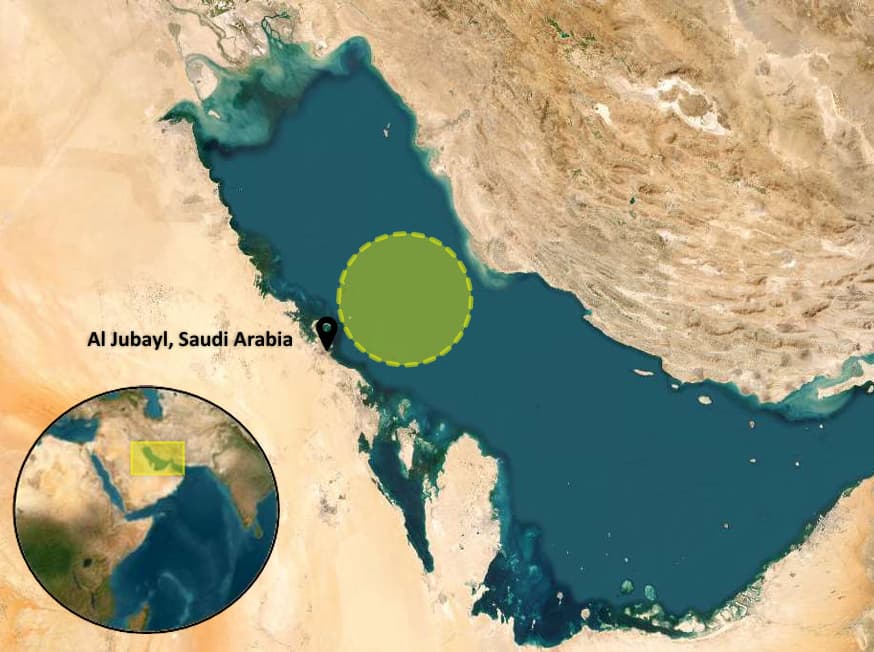

ERBIL, Kurdistan Region - The United Arab Emirates said Tuesday its air defenses detected two ballistic missiles launched from Iran, in what marked the second such attack in just over a month - the first having occurred in mid-July, weeks after Iran and the United States signed a ceasefire memorandum of understanding in June.
"The UAE's air defence systems detected two ballistic missiles launched from Iran towards the country," the Emirati defense ministry said, adding that "the first fell outside the country's territorial waters, while the second fell within its territorial waters.”
In a separate follow-up statement late Tuesday, the Emirati defense ministry said the two ballistic missiles detected - launched from Iran - "were targeting maritime navigation and fell into the sea."
The last such incident was recorded in mid-July, when the Emirati National Emergency Crisis and Disaster Management Authority (NCEMA) - affiliated with the Supreme Council for National Security - reported that "air defense systems are currently responding to a missile threat," urging residents to "remain in a safe location."
The Emirati defense ministry later said the missile threats "were outside the country's borders," adding that "national monitoring and tracking systems are operating … at the highest levels of readiness."
The Tuesday attack comes as repercussions from the Iran war continue to reverberate across the region since the conflict's outbreak in late February, when the US and Israel launched its aerial campaign across Iran.
Tehran responded with thousands of drone and missile strikes across the Middle East, targeting alleged US assets - particularly in Gulf Arab states - and launching retaliatory attacks against Israel.
The warring sides reached a preliminary ceasefire in early April, followed by a Pakistan-mediated Islamabad Memorandum of Understanding (MoU), signed by Tehran and Washington in mid-June, establishing a truce on all fronts.
Despite the agreement, the two sides engaged in several rounds of strikes and counterstrikes, the latest of which escalated on July 8 and ended in late July.
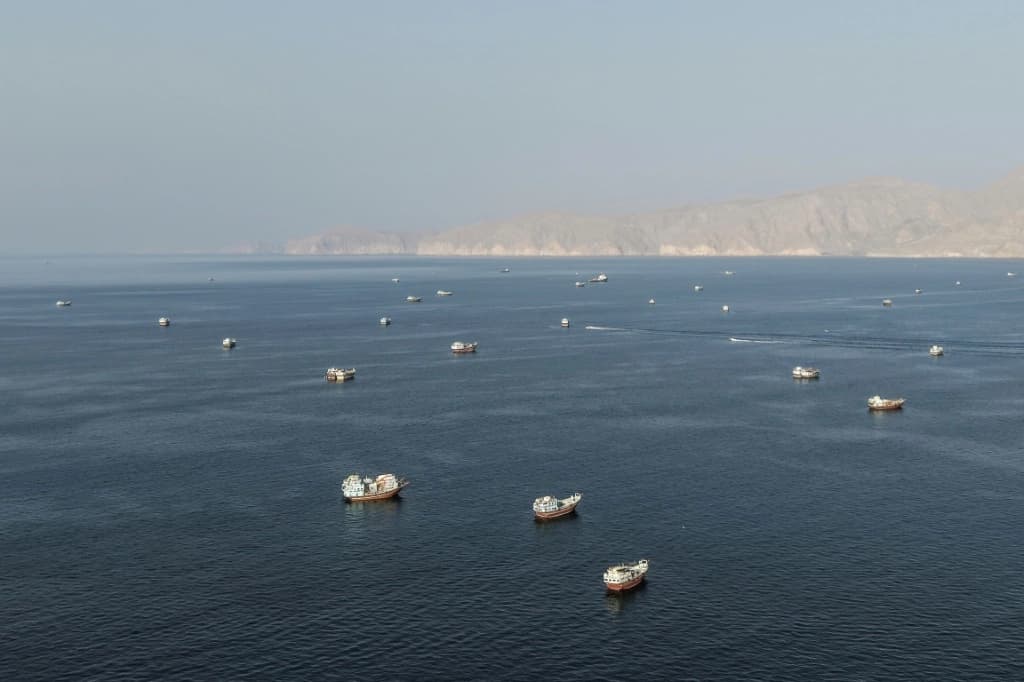
A mild de-escalation has since taken hold. However, a US naval blockade on Iranian ports remains in effect, as Iran continues to claim sovereignty over the Strait of Hormuz, disrupting commercial shipping and requiring vessels to obtain authorization for passage.
The attack comes as the 60-day negotiating period for a final agreement - set by the Islamabad MoU - passed its deadline on Monday.
The incident also comes days after the UAE on Friday deplored the “Iranian attack” on two vessels belonging to its state-owned energy company as they transited the Strait of Hormuz, adding that no injuries were reported. The assault brought the total number of attacks on Abu Dhabi's commercial fleet since the outbreak of the Iran war to at least 17.
Since the conflict began, the UAE has been targeted by 2,265 one-way attack drones, 551 ballistic missiles, and 29 cruise missiles, according to Emirati official statements as of Sunday.
RELATED: UAE condemns 'Iranian attack' on two ADNOC vessels in Strait of Hormuz